
Our latest edition
For Summer 2026, we discover how the demand for sloth encounters fuels the illegal wildlife trade; examine the growing farm sanctuary movement; explore the impacts of the housing crisis on pets and their families; find out whether pet social media trends are cute or cruel; and so much more. Plus, learn how to create your own pollinator bath!
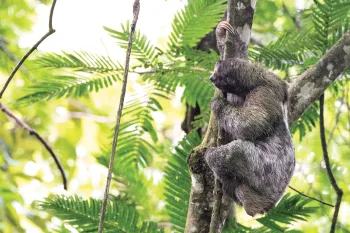
Meredith Lee/Humane World for Animals
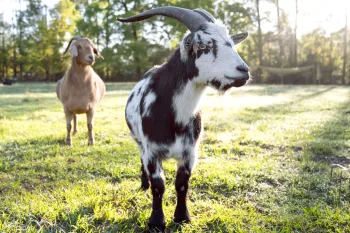
Meredith Lee/Humane World for Animals
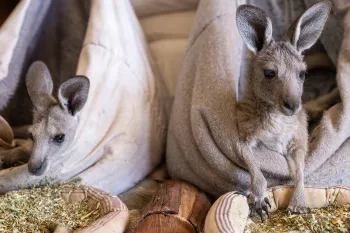
Paul Jeffers/AP Images for Humane World for Animals
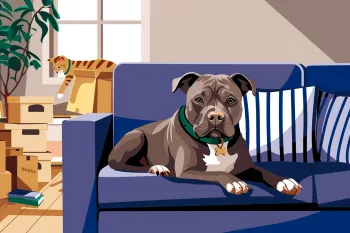
Rachel Stern/Humane World for Animals
Photo: Anna Reshetnikova; Emojis: JDawnInk/Getty Images
Cary Smith/Humane World for Animals
Jeffrey Craig/Getty Images
Jackie Kreutzer
More about us

All Animals magazine FAQ
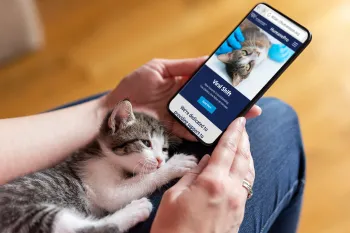
Resources for those in animal care
Web exclusives
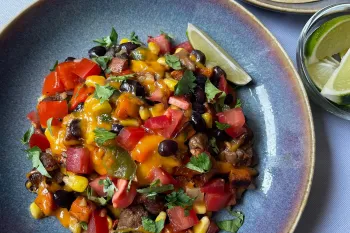
Every Wednesday we're swapping meats for beans. Find Beansday recipe inspo with these dishes from around the world.
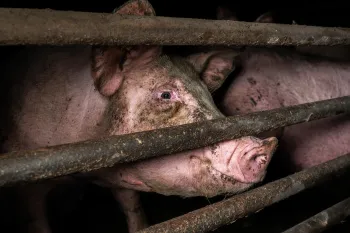
We must stop the Save Our Bacon Act. This addition to the Farm Bill backed by part of the pork industry threatens farmed animal welfare.
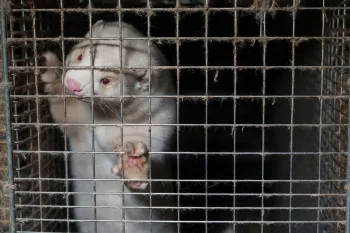
Humane World for Animals released the first-ever investigation into Icelandic fur farms in March 2026. All three facilities, and two others, are now closed, reportedly due to financial collapse.
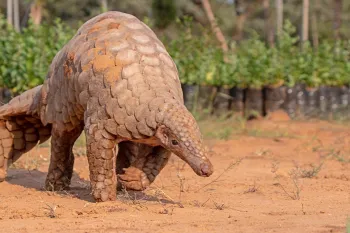
The U.S. federal government is expected to make a final decision about whether to list seven species of pangolin as endangered in June 2026. This is why they must act to save pangolins.

When you adopt a cat or dog, you may experience a bit of adoption shock. Here are the four stages you can expect after bringing home your new pet.
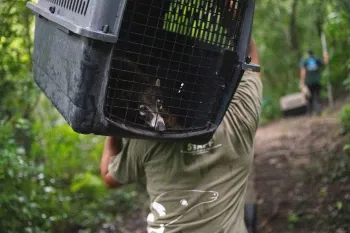
Follow along as our team in Costa Rica and local partners release 34 rehabilitated wild animals back into their native habitat in Guatemala.
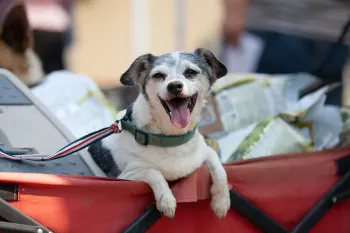
Longtime supporters Svanee and Russ Castner share how their deep love for animals and their partnership with Humane World for Animals expanded their vision from local to global giving.
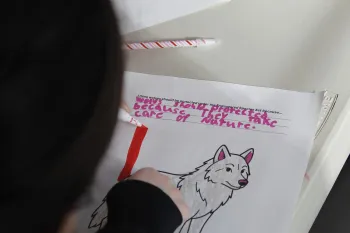
A troop of first-graders use their art to speak up for wolves and grizzly bears.
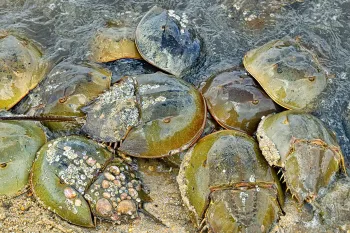
After receiving strong public feedback, Massachusetts scraps proposal that would harm additional horseshoe crabs.
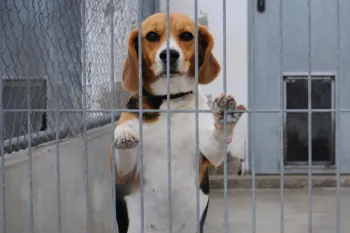
The NIH, FDA and EPA say they want to move away from animal experiments in the U.S. and toward modern alternatives. What does this mean for animals?
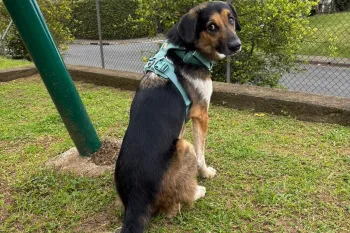
Found wandering alone in a national park, Bosque received the lifesaving care and treatment needed to survive thanks to Humane World for Animals supporters.
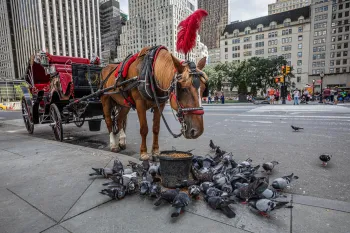
A carriage horse ban gains momentum in New York City and signals a global push to retire a “romantic” tradition built on cruelty.
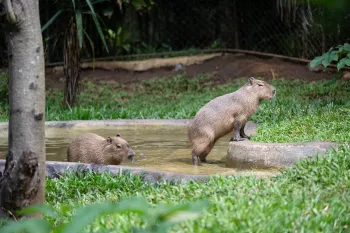
When wild animals become internet celebrities, the wildlife pet trade and tourism industries respond and the animals we adore suffer.
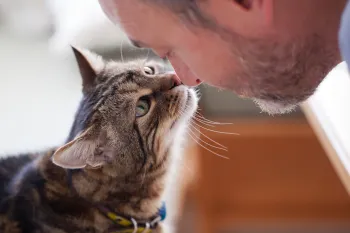
Our pets may hold up the truest mirror of our nature, and recognizing that reflection can reveal much about ourselves and light a path to a better me. Here’s how.
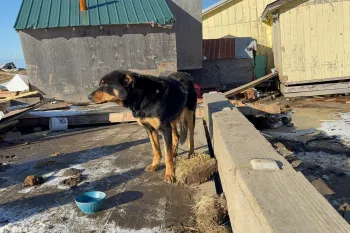
After Typhoon Halong devastated Western Alaska, communities and animal welfare advocates work together to reunite families and rebuild hope in the aftermath of disaster.
Search our stories
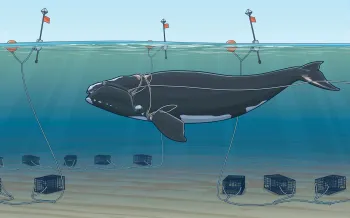
Right whales are dying as advocates race to remove fishing ropes from the water.
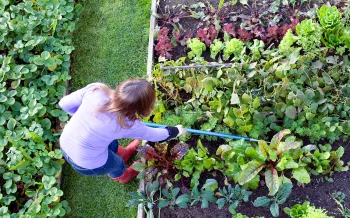
Unfortunately, homeowners’ responses to wild nibblers often involve poisons and traps. But you can have your veggies—and your flowers and trees—and let the wildlife eat some, too, by following these methods.
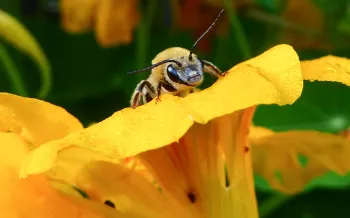
Mason bees, mining bees, bumble bees and others whose services have produced fruits and seeds for millennia are at risk, dependent on ever-shrinking habitat to accommodate lifestyles that barely resemble those of their captive-raised cousins. Here's how you can help.
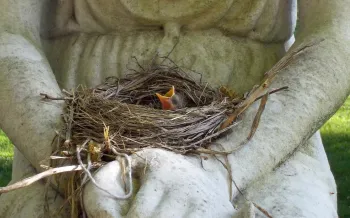
Edited by Harrison and fellow photographer Kim Nagy, Dead in Good Company offers an intimate view of Mount Auburn, weaving tales of lives ended with stories of those just beginning.
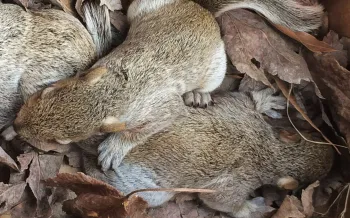
Prune trees carefully to avoid harming wild families. Given the chance, wild parents often carry displaced babies to alternate nests. But countless animals never have that opportunity.
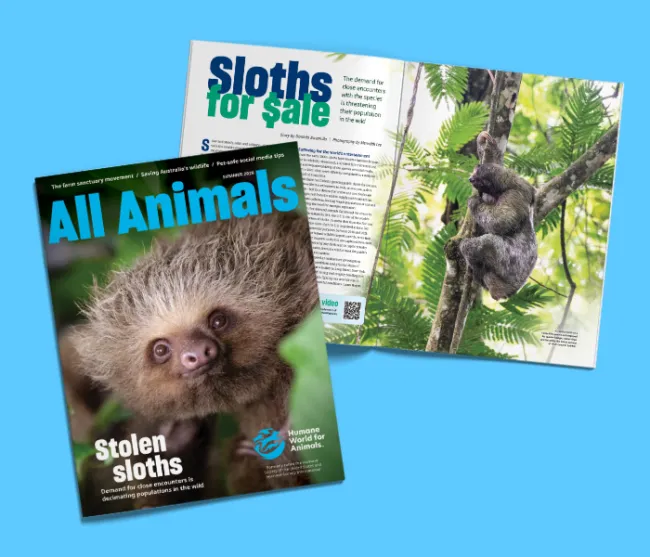
Humane World for Animals
Their voice. Your magazine.
Every animal has a story—one they cannot tell in words, but we can. Sign up today to have the print edition of All Animals delivered directly to you, and stay informed and inspired by the latest stories in animal welfare around the globe.
Your gift can do so much for animals in need
Start saving lives by making a one-time gift today. You can also help animals all year long with a monthly contribution.
Meredith Lee/Humane World for Animals