Pets are the true stars of the internet. TikTok, Instagram, YouTube and other social media platforms abound with the antics of dogs and cats. Some of these pets, such as That Little Puff, a ragdoll cat, count more followers than some Academy Award winners.
This stardom has helped spawn hundreds of social media trends that put pets through “challenges”: “cat breading” had caregivers poking their cat’s head through a slice of bread; “cats vs. cucumbers” recorded felines freaking out upon seeing a cucumber suddenly behind them; “bark at your dog” captured the confused responses of canines; “put it in a bun” tied up pets’ ears.
For veterinarians and animal experts, these challenges pose important questions about how to safely and ethically interact with pets on social media.
There are some trends I think are great—ones where animals are doing something voluntarily and their body language indicates they’re enjoying it.”
Dr. Valli Parthasarathy, veterinary behaviorist and co-founder of Synergy Veterinary Behavior
The dangers of social media trends for pets
One registered veterinary nurse took her protest to TikTok itself, criticizing a trend of owners lifting cats, dogs and rabbits under their front legs and spinning them around in a circle. “By picking your animals up under their front legs,” she posted, “you can put a lot of pressure and strain on the shoulders, elbows, muscles and ligaments.”
Dr. Anna Foreman, an in-house veterinarian at Everypaw Pet Insurance, decried the “dog vs. lemon” challenge, which saw caregivers tossing lemons into their dogs’ mouths. “Throwing food at a dog for them to catch is a choking hazard,” she told indy100, also noting the message it sends. “This dog will clearly try and eat anything that is thrown in its direction. This can be dangerous—for example, if a human drops something toxic to dogs, such as a raisin, chocolate or an onion.”
For Dr. Valli Parthasarathy, a veterinary behaviorist and co-founder of Synergy Veterinary Behavior in Portland, Oregon, the crux is the will of the animal. “There are some trends I think are great—ones where animals are doing something voluntarily and their body language indicates they’re enjoying it.”
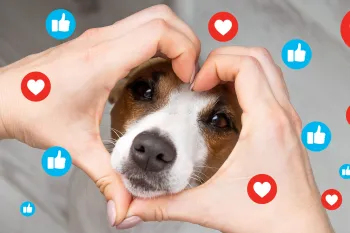
She points to one where caregivers make a little heart with their hands and dogs stick their noses through it. Another example she gives is an obstacle course, so long as it’s done cautiously in case animals have physical difficulties. Still another example: People stacking their hands and then a dog adding their paw on top.
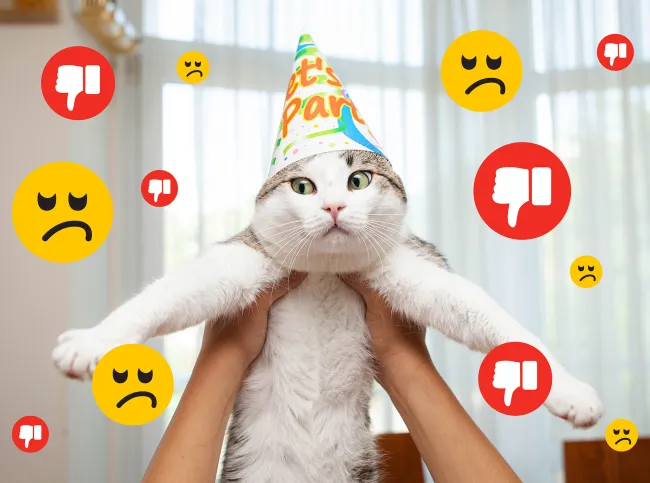
Photo: by vesi_127; Emojis: JDawnInk/Getty Images
Beyond the physical danger and distress many challenges cause animals, Parthasarathy also emphasizes that it’s important to avoid any that could cause long-term damage to the owner’s relationship with their pet. This can manifest in avoidance, distrust and even aggression. “It can just spiral in a lot of different ways,” she says, “The likes are not worth terrifying your cat.”
How to spot safe social media trends for your pet
Pet owners should watch their pets’ body language, says Heidi Freestone, program manager of HumanePro social media.
“Not everyone understands animal behavior. So, they might think, ‘I’m going to dress up my dog,’ and then in the video, the dog is exhibiting signs of stress—lip licking, stress yawning, whale eye or panting. When I see that, I cringe,” Freestone says.
A better social media trend to embrace, she suggests, is “viral audio.” In these posts, audio snippets are layered atop a clip of the pet going about their day naturally. They might be a popular song, such as “Piano man,” or a mock interview for a dating website. Photoshopping your pet into other scenes, such as the famous engagement photo of Taylor Swift and Travis Kelce, also works well for getting likes and shares, but without stressing the pet.
Freestone likes posts that help draw attention to adoptable pets: “They adopt that cat, and maybe this cat becomes a viral star and gets a whole bunch of followers. Maybe that person can say, ‘Hey, there’s a need to adopt pets.’ That builds engagement and brings awareness that your next best friend could be waiting for you at your local animal shelter.”
Related stories
maximkabb/iStock.com
Find expert tips and trusted resources on pet care, animal behavior, humane wildlife management, and animal advocacy.

Meredith Lee/Humane World for Animals
When wild animals become internet celebrities, the wildlife pet trade and tourism industries respond.
1001slide/Getty Images
Our pets may hold up the truest mirror of our nature, and recognizing that reflection can reveal much about ourselves and light a path to a better me. Here’s how.