WASHINGTON—Humane World for Animals and Humane World Action Fund, formerly called Humane Society of the United States and Humane Society Legislative Fund, today filed a lawsuit against the U.S

Protecting horses, burros and other equines
Equines are cherished companions and partners in recreation, sport and work, and it is our responsibility to act as their guardians.
Did you know?
Unfortunately, cruelty continues to be a persistent issue globally. Humane World for Animals is tackling the root causes of this cruelty to end it for good.
49%
reduction in horse deaths
in the first year of U.S. federal rules regulating performance-enhancing and pain-masking drugs in horse racing
92
$ million in economic benefits
from equine rescues and sanctuaries, showing that humane care and re-homing of at-risk horses helps animals and communities
1,000s
of American and Canadian horses
are sent to slaughter each year
Uncovering the truth
The reality many horses face is often hidden from view, but equines suffer so much at the hands of humans.
Humane World for Animals
Soring creates an exaggerated and unnatural gait
Kathy Milani/Humane World for Animals
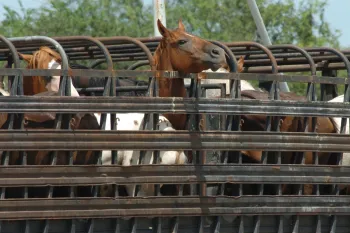
American horses awaiting transportation to slaughter
Stan Rohrer/Alamy
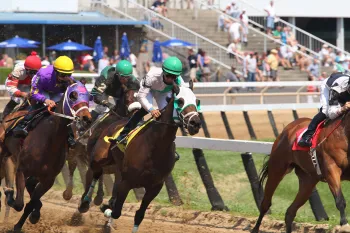
Horse racing is cruel, dangerous and fuels a cycle of suffering

Chelsea Perez/Humane World for Animals
Foals separated from their mothers at auction
Petitions for change
Love horses and want to protect them? Here are some ways you can join the fight to end equine cruelty.
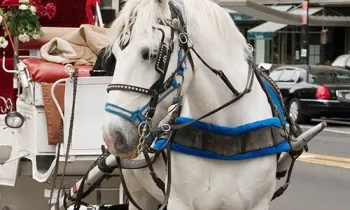
End horse-drawn carriages
A horse-drawn carriage ride may look charming, but behind this tourist attraction is a life of hardship for the horses forced to pull it.
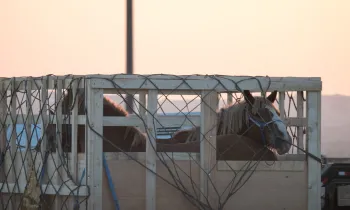
End the export of live horses for slaughter
Horses are flown by air, crammed into wooden crates without water, food or rest.
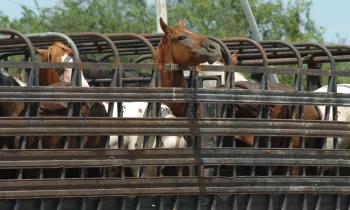
Speak out to end cruel horse slaughter methods
Thousands of American equines are brutally slaughtered every year. Horses deserve a humane end of life.
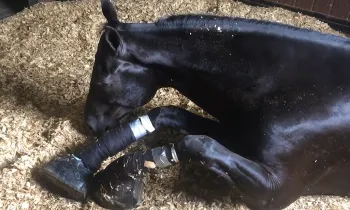
Pass the PAST Act to end horse abuse
No horse should be made to suffer for a blue ribbon. Urge legislators to strengthen penalties for abuse.
Learn more
We bring a broad vision and deep expertise in protecting horses and burros. Learn how we are helping to provide protection for equines around the world.
Horses, donkeys and mules are faithful companions and partners to humans in a variety of settings, but they are not always treated accordingly, with compassion and care. Humane World for Animals takes on some of the most egregious forms of cruelty to equines, including their cruel slaughter for human consumption and the abuse of horses in racing and competition.
Keith Dane, Humane World for Animals
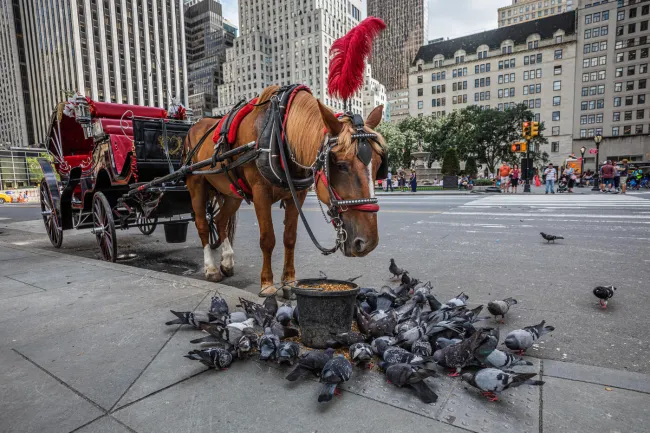
Aaron Gekoski/HIDDEN / We Animals
End horse-drawn carriages
A carriage horse ban gains momentum in New York City, signaling a global push to retire a tradition built on cruelty.
Frequently asked questions
Equines face several serious threats, including horse slaughter, abuse in horse racing, shows, neglect and mistreatment at auctions and during transport. Efforts to protect equines focus on addressing the root causes of cruelty and strengthening protections for horses, burros and other equines. Our work includes advocating for stronger laws and enforcement, working to end horse slaughter and live export for slaughter, combating abusive practices such as soring, and promoting stronger welfare standards in horse racing, horse shows, transport, auctions and ownership. Humane World for Animals also supports rescue, rehabilitation, rehoming and disaster response efforts that help at risk equines. Around the world, Humane World for Animals also advocates for humane treatment and welfare protections for working equines used in transportation, tourism and agriculture.
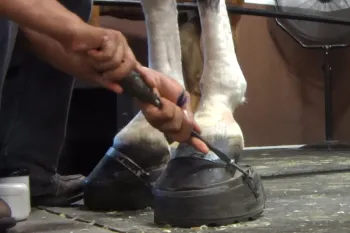
Horse soring is a cruel form of horse abuse in which pain is intentionally inflicted on a horse’s legs and feet to force exaggerated movements during competitions.
People who sore horses may apply caustic chemicals such as mustard oil, diesel fuel or kerosene to the horse’s legs, use chains that repeatedly strike painful areas or use pressure techniques involving the horse’s feet and shoes.
As the horse attempts to avoid pain, they begin moving differently, producing the exaggerated “Big Lick” performance rewarded in some Tennessee Walking Horse competitions.
Soring has been illegal under the federal Horse Protection Act for more than 50 years. Many major veterinary, horse industry and equine welfare organizations strongly condemn the practice and support stronger protections for horses.
- Contact your lawmakers and urge support for stronger enforcement of the Horse Protection Act and passage of the Prevent All Soring Tactics (PAST) Act.
- Share information about horse soring on social media and within the horse community.
- Write a letter to the editor or opinion piece supporting stronger protections for horses.
- Print and share Humane World for Animals’ soring tip line flyer in barns, tack shops, veterinary offices and horse show communities.
- Talk with fellow riders, trainers, owners and horse enthusiasts about why soring is abusive, unnecessary and illegal.
- At local horse shows, 4-H events and Pony Club rallies, help educate riders, owners and horse enthusiasts about the cruelty of soring and the importance of strong protections for horses.
- Humane World for Animals offers rewards in some cases for information leading to enforcement actions involving horse soring.
- Report suspected horse soring or abuse when you see it 855-NO-SORING (855-667-6746).
We work across horse racing, horse shows and other competitive and entertainment industries to strengthen welfare standards, enforce key protections and advance reforms. Our work includes advocating for stronger racing safety standards, medication and doping reforms, enforcement of anti-soring laws, stronger industry accountability and independent oversight systems that prioritize horse welfare. We support reforms that help ensure horses are treated humanely at every level.
Thousands of horses are sent to slaughter each year to satisfy demand from countries where horse meat is consumed—including where raw horsemeat is considered a delicacy. The horses often endure long, stressful transport without adequate food, water or rest. Humane World for Animals opposes horse slaughter because it is cruel, unnecessary and incompatible with modern horse welfare standards. Horses are sent to slaughter in various conditions, often due to financial reasons rather than age, illness or a lack of potential homes. Many healthy, young horses are bought by “kill buyers” for their meat, despite having the potential for happy, productive lives with loving owners if given the chance.
We work across country borders to end the slaughter pipeline and strengthen protections that keep horses safe from exploitation and abuse. This includes advocating to permanently end horse slaughter and live exports of horses for slaughter, investigating kill pens and bail-lot industries, strengthening humane transport standards, supporting stronger cruelty and welfare laws, educating the public about horse welfare and responsible ownership and supporting rescue and rehoming efforts for at-risk horses.
- Support the SAFE Act to end horse slaughter.
- Stop the export of live horses for slaughter.
We support programs that help horses thrive—whether through rescue, veterinary care or promoting responsible care in communities worldwide.
- Learn about equine disaster preparedness.
- Find humane options for relinquishing your horse.
- Read how to adopt or buy a horse.
- Read resources for making a humane end of life decision for your horse.
Latest news
Animal protection groups sue U.S. Department of Agriculture over failure to stop cruel, painful practice of horse ‘soring’
United States
Protections for Tennessee Walking Horses frozen for another year by U.S. Department of Agriculture
United States
WASHINGTON—Once again, the U.S. Department of Agriculture decided to suspend implementation of a long-awaited rule to strengthen protections for Tennessee Walking Horses. The rule, which was finalized
Keith Dane honored with EQUUS Foundation Humanitarian Award in recognition of a career that transformed horse protection
United States
LOUISVILLE, Ky.—Humane World for Animals is proud to announce that Keith Dane, who formerly led the organization’s equine welfare programs, has received the 2026 EQUUS Foundation Humanitarian Award at
Your gift can do so much for animals in need
Start saving lives today by making a one-time gift—or protect animals worldwide all year long with a monthly contribution.