When someone moves to a new country, culture shock often follows. The phenomenon generally passes through four stages: honeymoon, frustration, adjustment and acceptance. This journey may also seem familiar to pet adopters, who frequently experience their own brand of shock after bringing home a new cat or dog. In some cases, this is enough to lead to animal returns.
Data from Human Animal Support Services and the journal Scientific Reports underscore this. Peer-reviewed studies estimate 7% to 20% of adopted pets may be returned, depending on shelter, species and length of follow-up. Human Animal Support Services has found that 66% of “nuisance” returns occur in the first 30 days, with 29% in days 8 to 30. That’s echoed by a pilot study between Human Animal Support Services and Nebraska Humane Society that found the majority of returns, when they happen, occur within six months of adoption.
Clearly, the fantasy of adopting a dog or cat crashes into reality for some—and quickly.
Fortunately, the stages of culture shock can provide a roadmap to navigate adoption shock, especially when paired with the 3-3-3 Rule (three days, three weeks, three months rule) to settle a newly adopted dog or cat into their new home. Here’s what to expect in the four stages of adopter shock and how to pass through them with success.
w-ings/Getty Images
The Honeymoon Stage: When adopters idealize their future pet
In culture shock, the honeymoon begins on day one and lasts for several weeks, if not months. With adoption shock, however, the honeymoon tends to be projected before the pet arrives home.
It follows idyllic reels in adopters’ heads—snuggles in bed, fetch in the park, purrs on the lap, road trips cross-country. As Amanda Foster, director of programs at Human Animal Support Services points out, “A lot of times, people have an idealized idea of who a dog or cat should be.”
Previous pets also influence this, as many adopters seek out cats and dogs who look like their beloved animals and expect similar experiences. Lindsay Hamrick, Humane World for Animals director of shelter outreach and engagement, explains the thinking. “I grew up with a golden retriever, so I may want another golden retriever, but they’re not the same animal.”
That’s why the honeymoon often loses sweetness the moment the new pet is carried across the threshold and why it’s essential for pet adopters to recognize that each animal is distinct.
“One of my best pieces of advice is for people to remember that animals are individuals,” explains Hamrick. “Whether they look like an animal you used to have, an animal you saw on TV, or one you’ve had your hopes and dreams on, don't assume their personality or needs will be what you think.”
Top 10 pet tips
Sign up to receive our exclusive e-book full of important information about caring for your pet, including training techniques and answers to frequently asked questions.
The Frustration Stage: When the reality of pet ownership hits
That most returns occur within the first 30 days reveals the disconnect between expectation and reality—and marks the frustration stage.
The crisis for adopters may manifest differently with dogs and cats, too.
“With dogs, people feel overwhelmed by the behaviors—the jumping, the barking—as we take dogs out into the world,” explains Hamrick.
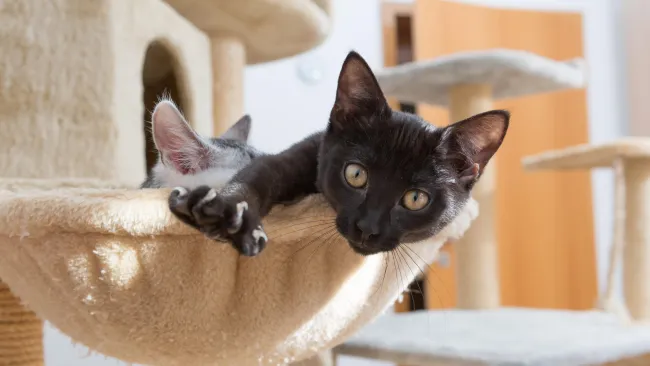
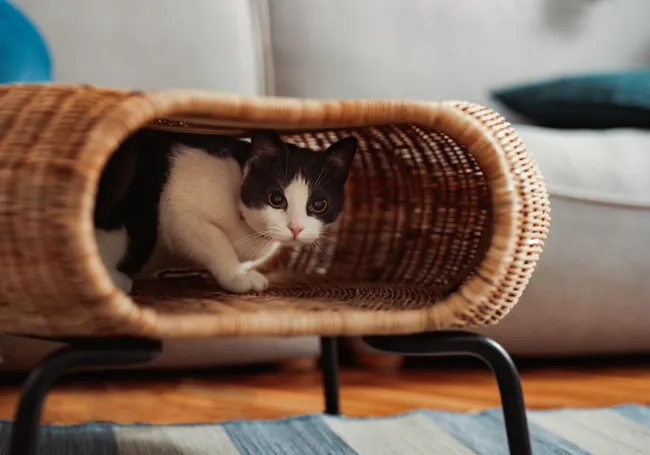
Cats, on the other hand, may withdraw entirely, escaping to hiding places as far from their caregivers as possible, inspiring feelings of worry and guilt.
Another key cause of this stage is the desire for instant gratification. Adopters are offering the animal all this love but not seeing an immediate return as their pet slowly adjusts, which can be frustrating and disappointing. Elkie Wills, director of Human Animal Support Services, notes that it’s common for adopters to feel a sense of imbalance. “I’ve opened my heart and home to you. Why aren’t you ready to offer me that same connection yet?”
Making it through the frustration stage begins with the understanding that gratification takes time and adjustment on both sides.
miniseries/Getty Images
The Adjustment Stage: When pets and their people adapt
Before the good times come the get-to-know-you times. For Hamrick, that starts with routine, ideally established over six weeks. That means setting and sticking to times for sleep, feedings, playtime, walks, training, litter scooping and even me-time for decompression.
Adjustment is important for the adopter, too. With a new pet comes significant changes to their own schedules and routines.
“If you’re used to working nine hours and then going out after, you’re going to need a different system,” explains Hamrick.
Those routines—visiting family, hanging with friends, catching a movie, going to the gym, soaking up spa treatments—will have to work around the pet’s schedule as well as new caregiver routines—taking the pet to the vet and groomers, picking up pet supplies, cleaning the home more regularly, checking chomped toys for choking hazards and more.
One tip from Hamrick is to keep the world small during this stage, as too much at once can overwhelm. Focus on fundamentals first, such as sleep, to keep everyone’s cortisol levels low.
nd3000/iStock.com
The Acceptance Stage: When a new pet becomes family
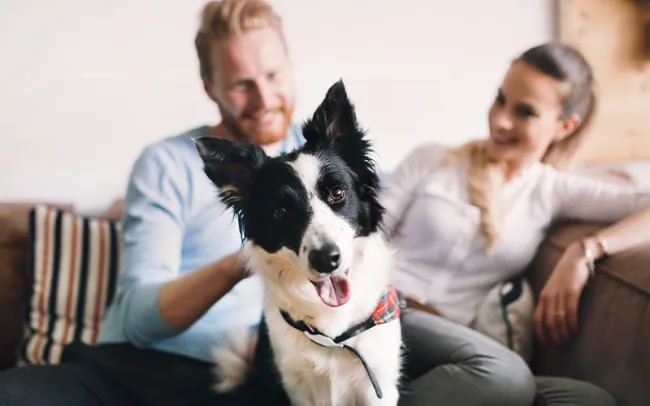
As routines become regular and the new situation settles into comfort, acceptance follows. This stage marks the full transformation of the pet into an individual and integrated member of the family.
Acceptance also means finally letting go of the honeymoon projections of what you want your pet to do. “I did a year-long road trip with my dog,” Hamrick reflects, “and people always told me, ‘I want to do that!’ Well, if they’re throwing up in your car every time you go to the store, they're probably not going to be your road trip dog.”
Instead, she encourages people to discover and embrace what you can do together. “Maybe your previous dog loved going to the dog park, but your new pup is too shy for them,” Hamrick explains. “Instead, you find a new trail and walk there every day, and it’s even better than you could have hoped.” For pet adopters, this may ultimately prove the most rewarding journey.

Jessica Roberts
Additional resources for pet adopters
Thinking about adopting a new dog or cat? This decision can be both exciting and daunting, but luckily, you don’t have to navigate adoption shock alone. Here are some additional resources to help as you and your new furry companion adjust to a life together.
General pet care tips
- If you or someone you know is having trouble affording a pet, here are resources that can help with veterinary expenses, pet food and more.
- Allergies don't have to stop you from adopting a pet. Here’s how to live with allergies and pets.
- The choice to spay or neuter your pet may be one of the most important decisions you make impacting their long-term health—and your wallet! Learn more here.
For cats
- Tips for bringing home a new cat. With the right approach, you can increase the odds of a successful match.
- How can I litter train my cat or kitten? We've got tips on litter boxes, placement and common issues.
- Should my cat wear a collar? Find an answer in this guide.
- Cats are territorial, and two cats may take a bit of time to get along. Here are some tips to help keep the peace between your pets.
For dogs
- Tips for bringing home a new dog. Preparation and patience are key to help you and your pet adjust.
- How to potty train my dog or puppy? Find essential training tips here.
- Excessive barking is one frustration that new pet parents often struggle with. Here are six ways to reduce the noise starting by understanding why your dog barks.
- Crate training can be a valuable tool as your pup adjusts to their new home. Follow our four-step process to help your dog become used to spending time in a crate.
Related stories
1001slide/Getty Images
Our pets may hold up the truest mirror of our nature, and recognizing that reflection can reveal much about ourselves and light a path to a better me. Here’s how.

Julia Gerasina/iStock.com
Animal shelters across the U.S. are at a breaking point. Learn why adoptions have dropped, how the pandemic played a role and how you can help save lives.
Meredith Lee/The HSUS
Our mission to tackle the root causes of animal cruelty and suffering to create permanent change is a big job, and we can’t do it alone.