
Around two-thirds of U.S. households have pets. In almost every home, people see their pets as family, and over half of people say they are as much a part of the family as their human relatives. Why then is it so hard for Americans to find pet-inclusive housing?
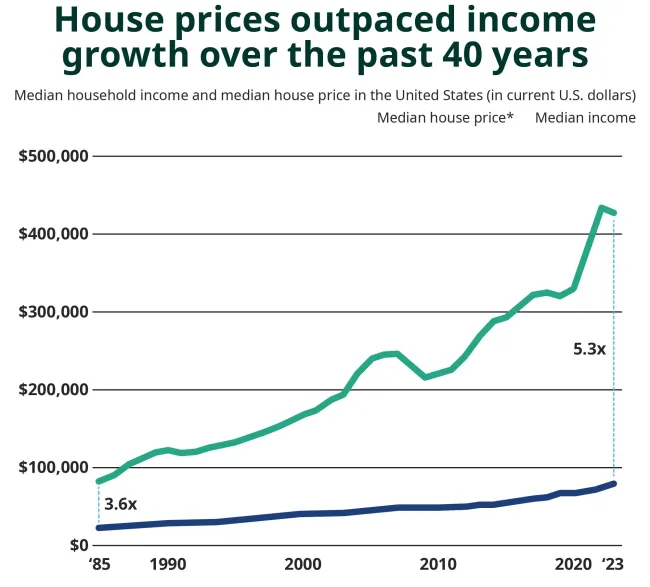
The U.S. is in the midst of a housing crisis. Home prices and monthly rents have been rising for years, all while people struggle to afford their day-to-day needs.
Back in the 1980s, the typical first-time homebuyer was in their late 20s. Today, that number has soared to 40 years old—the highest it’s ever been. At the same time, there have never been more all-cash buyers in the market, making homeownership even less accessible to everyday Americans. Similarly, monthly rent for a one-bedroom apartment in a major U.S. city is now an average of $457 more than it was just five years ago, rising from $1,122 to $1,578. Peoples’ incomes, on the other hand, aren’t growing fast enough to keep up with these higher bills.
iStock.com/
Support pet equity
Pets and their families belong together. Stand with us today to increase access to affordable veterinary care, pet food and pet-inclusive housing.
Challenges for pet owners in the U.S. housing market
For pet owners, finding affordable and safe housing is just that much harder.
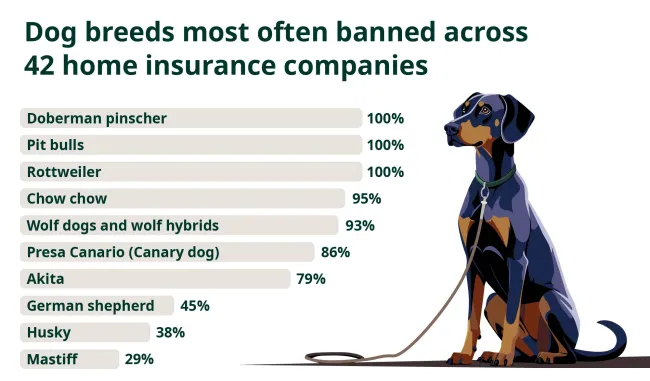
Although homebuying typically comes with fewer rules than renting, restrictive homeowners’ associations and insurance policies can still make it difficult for people to keep their animals. Homeowners’ associations often restrict the number, size and breed of pets, while home insurance often won’t cover people who have dog breeds they designate as “aggressive.”
As homebuying continues to become less attainable for families of various income levels, more and more people are being pushed to rent. But many apartments will not allow pets at all, leaving pet owners with few choices. From those options, many labeled “pet friendly” come with exorbitant monthly pet fees, additional deposits and prohibitions on dogs of a certain size or breed.
Rachel Stern/Humane World for Animals
Low-income communities are more likely to be harmed by these restrictive policies. An analysis of Boston rentals found that 86% of luxury apartments were pet friendly, compared to just 24% of nonluxury apartments. In Texas, research shows low-income communities and communities of color were charged disproportionately higher pet fees.
“If you have enough money…those apartments allow pets, have pet parks in the apartment,” a participant in a 2024 study published in Frontiers in Veterinary Science on barriers to pet-inclusive housing told researchers. But in affordable housing units, people are treated like they are too untrustworthy to have pets, she added.
The benefits of pet-friendly rentals in the U.S.
In fact, data shows that implementing pet-inclusive policies can benefit landlords and property managers. Apartments listed on the real estate website Zillow that allowed pets were typically rented eight days faster than those that didn’t. And once pet owners find a place, they typically stay in their units longer.
Still, the market has not been responding with more pet-inclusive options fast enough. When people cannot find a home that will allow their pets, they’re confronted with an impossible decision: keep a roof over their head or keep a member of their family.
Source: Graph adapted from Felix Richter, Statista, "House prices outpaced income growth over the past 40 years," 2025
Shelter workers are seeing these heartbreaking decisions play out firsthand. Shelters in the U.S. have been weathering a capacity crisis over the past few years, with many organizations at or over their limits. Housing restrictions affect both sides of sheltering. Organizations are seeing more animals come in from families who can’t find pet-inclusive housing, as well as fewer adopters due to restrictive rental policies. They are also having a particularly hard time finding adoptive homes for large dogs—the same pets most likely to be excluded by landlords and insurance companies.
Solutions for pet-inclusive housing
In recent years, the animal welfare field has been expanding its access to care work to address the needs not just of pets but of the people who love and care for them too. Many shelters now have resources to help those struggling to find pet-inclusive housing. Humane World for Animals mentors U.S. shelters and provides grants to address pet-inclusive housing issues in their community.
Just 8% of U.S. apartment listings are free of restrictions on the breed or weight of a pet.
Pets in Rental Housing 2025 Outlook, presented by Michelson Found Animals Foundation
We’re also tackling the root causes of the current lack of pet-inclusive housing. We support legislation that removes breed restrictions in insurance policies, as well as removing excessive restrictions and pet fees on rentals. In 2025, a law passed in Washington, D.C., capped pet deposits and monthly fees while prohibiting arbitrary restrictions on breed, weight or size.
When the vast majority of Americans own pets, housing inequality is intrinsically connected to animal welfare.
“The next phase of our work,” says Amanda Arrington, Humane World for Animals vice president of access to care, “is figuring out how we are active participants in issues that are traditionally beyond animal welfare.”
Related stories

Raina Michalsky/Humane World for Animals
If you or someone you know is having trouble affording a pet, here are resources that can help with veterinary expenses, pet food and more.

Keith Getter/Getty Images
The high cost of pet care often causes people to make the heartbreaking decision to relinquish their animals. But it also creates a barrier for potential adopters to consider as they weigh the cost of adding a pet to their family.

Goodboy Picture Company/Getty Images
When you adopt a cat or dog, you may experience a bit of adoption shock. Here are the four stages you can expect after bringing home your new pet.