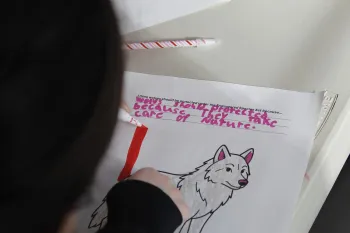
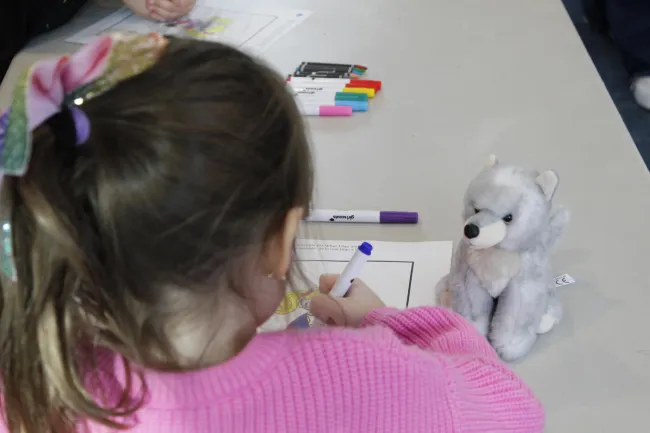
In a Maryland classroom, a troop of Girl Scouts focused intensely as they colored pictures of grizzly bears and gray wolves for World Wildlife Day. It was late February and they had just spent the afternoon practicing their wolf howls and learning about the Endangered Species Act.
Like more than 700 other students across the country, they were participating in a nationwide conservation education and advocacy project launched by Humane World for Animals and Humane World Action Fund. Their goal was simple: Speak up for animals.
Accompanied by wolf plushies, each first grader wrote a short sentence at the top of their coloring sheet about why they believe wildlife needs to be protected. “It is important to protect wolves and grizzly bears because they’re important for nature, and when they survive, they are good for the planet,” said Ella Schatz, one of the girls in attendance.
Alamy stock photo/
Kids can speak up for wild animals!
If you care about protecting wild animals, follow four easy steps below to speak up for them! The best part? Kids of any age can make a difference for animals.
Kids can protect wildlife too
Erica Heffner/Humane World for Animals
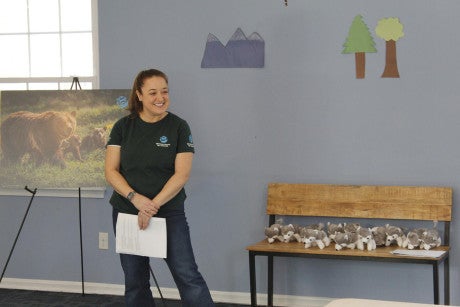
Marisa Schatz, Humane World program manager for the state policy volunteer program and Ella’s mom, led the talk for the Girl Scouts troop in Maryland. She says the advocacy project began as a way for policy volunteers to engage their family, friends and local community, but it quickly blossomed into a youth outreach opportunity.
“With this project, we wanted to help young people recognize that they have a voice and then empower them to stand up for animals,” Schatz says.
Through this letter-writing campaign, children of all ages not only learned about wild animals and their habitats but also got to express themselves creatively. “They could practice their handwriting, their art skills and their critical thinking skills,” Schatz adds. “It taught them that their voice and their ideas matter and that they can speak up for what they believe is right.”
As word spread about the project, teachers, coaches, advocates and other Humane World staffers started giving presentations to children in their own communities. Soon, kids of all ages from across the U.S., from preschoolers to high schoolers, learned about the Endangered Species Act and the threats facing grizzlies, gray wolves and other vulnerable animals.
And most importantly, they got the chance to share their opinions through writing or art and send those letters to government leaders.
imageBROKER/David & Micha Sheldon/Getty Images
The ESA and wild animals are under attack
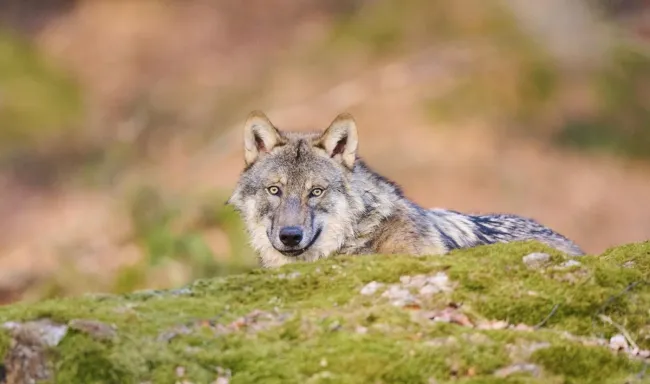
Outreach like this is more important than ever. Over the last year, Humane World, Humane World Action Fund and other animal welfare advocates have been battling an ever-growing list of proposals and bills that would weaken the ESA and delist gray wolves and grizzly bears.
In its 53 years, the ESA has helped 99% of the more than 1,700 species it protects recover from the brink of extinction.
Drew Robertson, regulatory program manager for federal affairs with Humane World Action Fund, says this is why the ESA is so critical for species like gray wolves and grizzly bears after they were almost wiped out by government-sponsored killing programs. “For me, one of the big sadnesses is if we lose these fights now, that could really, seriously impact the world that is around for future generations.”
At this pivotal moment, Robertson says children need to be part of the conversation and hopes that lawmakers and agency officials will take the words of their youngest constituents seriously. “Your voice is so much bigger than you think, especially when it comes to these big decisions at the federal level that are being made on your behalf,” she adds.
“The inability to vote doesn't strip children of their right to be heard,” Schatz says. “This project's huge success is a clear indication that kids do care about animal protection, and they want to use their voices for good.”
Erica Heffner/Humane World for Animals
How kids can advocate for animals
Getting kids involved is not only educational, but it can also be empowering and instill the confidence to use their voice.
Make it fun. Schatz says the first step is finding what your topic is going to be and thinking about how to make it fun and interesting. By figuring out what resonates with your young audience, you’ll be able to keep them engaged.
Consider their age. When organizing ways to help children learn about and advocate for wildlife, consider the age and skill level of your audience.
“Obviously younger kids are not as versed in writing,” Schatz explains. “They can't sit still for really long presentations. So, breaking it up, making it fun but also educational with games or art activities is a great way to keep them engaged.”
Create a structure. You have your topic. You’ve thought about what approach is best for the age-group and how to make it resonate with them. Now, it’s time to build your presentation. Develop the structure and gather materials. If you’re using coloring sheets or planning to do a DIY craft, plan to bring enough copies and supplies for each child to participate.
During her presentation to the local Girl Scouts, Schatz designed her presentation to include audience participation. For example, she shared facts about wildlife protection and then asked the children to give a thumbs up or down if they thought it was something that helped or harmed wildlife. She also set aside time for the troop to brainstorm what protecting animals means to and why it is important.
Include an action. Be sure to give kids a clear next step! “What is the goal of this project? Is it just to educate, or is it to get them to take some specific action to further their cause?” Schatz asks. By including an action, you’ll provide the kiddos with an opportunity to act on their beliefs—a lesson that will stick with them for years.
Find your audience. Now that you have your workshop planned, let’s make it happen. Schatz recommends talking with your neighbors, friends and family members, or contacting your local school, library or youth group to find an audience. “It just takes networking within your own community, within your family and friend group, to see who's out there and who would be interested,” she explains.
These local groups may also have a space where you can host your educational event.
By starting small, you can make a big impact on your community and for animals.
Related Stories
Roberto A Sanchez/Getty Images
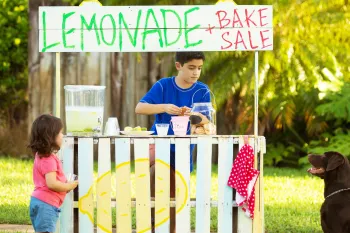
Kids can help animals with these recipes and tips. Learn how to host your own bake sale fundraiser.
Meredith Lee/The HSUS
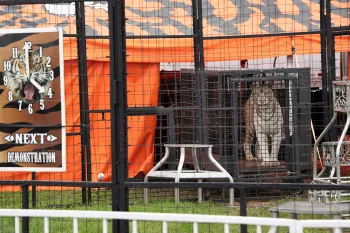
Many animal lovers can point to specific childhood memories that ignited their love for animals. Use these tips to help find ethical and kid-friendly activities in your area.
Doug Steakley/Getty Images
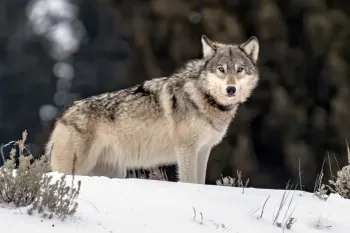
Political attacks threaten the Endangered Species Act, which has saved hundreds of species from extinction.