At dawn on a dark and rainy November day, our team gathered in Guatemala’s Petén jungle in quiet anticipation. The rescued macaws’ loud “raak” broke up the early morning silence as we waited for the director of ARCAS Petén, Dr. Fernando Martínez, to give the green light.
On this day, 34 rehabilitated animals, including a coati, opossums, a northern tamandua, pygmy owls and more, would be returned to the wild where they belong. Humane World for Animals senior photo editor, Meredith Lee, and I were in Petén to document this meaningful work.
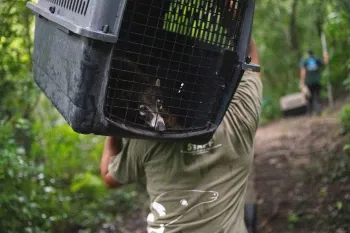
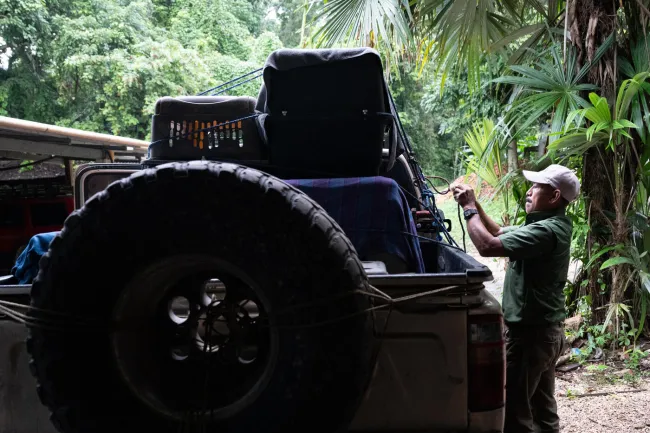
The ARCAS team had prepared everything the night before. All that was left to do that morning was for the six-member veterinary and caretaker staff to safely pack the animals up in their transport crates for the four-hour journey into the jungle. There we would release them far away from humans.
Andrea Induni/Humane World for Animals
Costa Rica
Costa Rica is one of the most biodiverse countries, but many of its animals face threats from human activity. Our Humane World for Animals Costa Rica team is working to create lasting, systemic change.
Working together to protect Central America’s wildlife
The Humane World team in Costa Rica has partnered with ARCAS for nearly 20 years to rescue, rehabilitate and liberate Guatemala’s wildlife from illegal trafficking, pet trade and negative interactions with humans.
Founded in 1989 to help combat the illegal wildlife trade in the region, the center in Petén is recognized as the official rehabilitation destination for all confiscated wildlife in the Maya Biosphere Reserve. Since its start, ARCAS has rescued between 300 to 600 endangered species each year.
In addition to rehabilitating injured and trafficked wildlife, ARCAS also educates the public about the importance of that work as it relates to conserving and protecting the environment and area’s biodiversity.
Meredith Lee/Humane World for Animals
Meredith Lee/Humane World for Animals
Meredith Lee/Humane World for Animals
Meredith Lee/Humane World for Animals
Meredith Lee/Humane World for Animals
Conservation of scarlet macaws in Guatemala
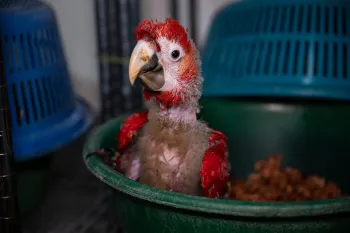
About 30% of the wild animals received at the rescue center are parrots and macaws, who play a crucial role in promoting plant diversity and protecting the rainforest ecosystem. Scarlet macaws are a threatened species in several Central American countries, including Guatemala. In fact, researchers estimate there are only between 350 and 400 scarlet macaws remaining in the country.
These birds are emblematic to Guatemala and sacred in Maya culture. Highly sought after in the pet trade because of their colorful plumage, intelligence and ability to mimic human speech, scarlet macaws are often taken from their nests in the wild as babies and sold illegally.
Juvenile and adult macaws who have been victims of the pet trade and are dependent on humans, are unfortunately unable to survive in the wild on their own. This means that any who arrive at ARCAS will live the rest of their lives under the team’s care.
Meredith Lee/Humane World for Animals
Meredith Lee/Humane World for Animals
The group’s conservation breeding and release program aims to protect scarlet macaws from extinction in the Maya jungle. “Though their chance at freedom is gone because people ruined it for them, they can give their offspring the chance to be wild,” says Anna Bryant, ARCAS Biologist. “They're helping the conservation of their species.”
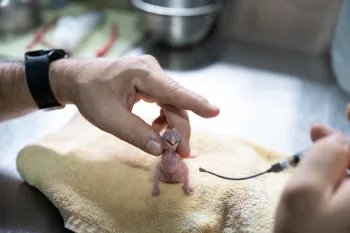
Feeding baby macaws who have been rejected by their parents is among the team’s most delicate responsibilities—requiring precise, around-the-clock care. Any small mistake can prove fatal, which is a lot of pressure when it comes to highly endangered species, says Bryant. The team works faithfully every day to prepare the babies for their return to the wild.
Helping baby macaws grow into majestic, wild birds takes an average of five to six years of dedicated work. But to everyone involved, the hard work is so worth it when you get to see them back in their natural habitat.
In 2024, the ARCAS team with the help of Humane World released 19 scarlet macaws deep in the Maya jungle.
Release day 2025
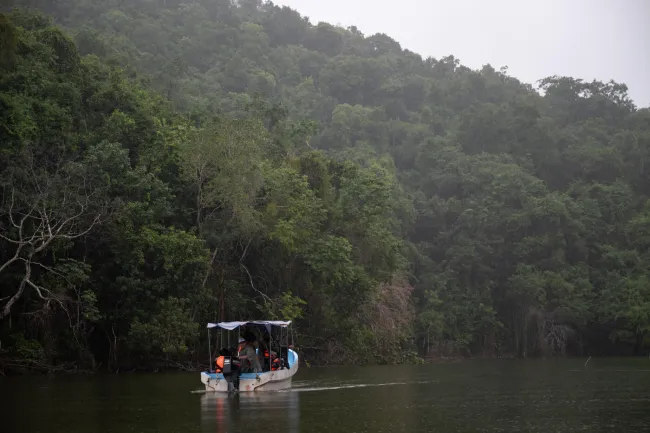
On that November day, we loaded up in trucks and drove two hours north of Petén to Yaxhá-Nakum-Naranjo National Park. There, we took a boat to a remote forest—where the animals would be far away from humans and back in the wild.
As one of the oldest Mayan cities, Yaxhá preserves impressive temples and a rich ancestral history. When we arrived at the island, we unloaded the boat and carried crates up into the dense forest. The smell of the wet earth, raindrops pattering on leaves and the excitement of everyone around me made the moment feel electric. There was something magical about standing on this ancient land while helping to protect Guatemala's wildlife.
Uno! Dos! Tres!
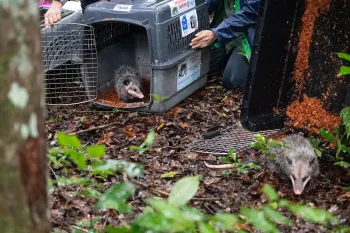
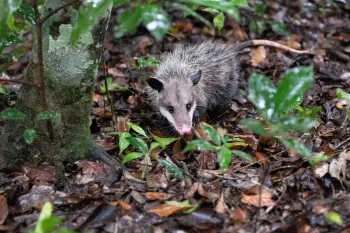
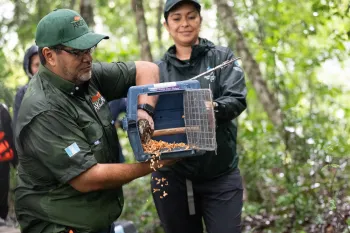
We opened the first few carriers in unison, returning eight opossums to the Maya jungle.
Meredith Lee/Humane World for Animals
Meredith Lee/Humane World for Animals
Opossums
Opossums have a very short lifespan, only surviving an average of two years in the wild due to threats such as habitat loss, traffic accidents and domestic animal attacks.
People sometimes assume opossums are rabies carriers, and they’re feared or harmed because of it. But opossums are almost entirely immune to rabies due to their low body temperature and are shy, non-aggressive creatures.
In March 2025, ARCAS received four opossum babies that came in with their mother who had been hit by a car. Though the mom unfortunately passed, the babies were raised by the ARCAS team and were able to be released back to the wild. Many opossums arrive at the rescue center after similar accidents, just like the other four adults we released that day. Urbanization leads to increased negative interactions with humans, but we can all make a difference and protect wildlife by slowing down and driving with caution.
Meredith Lee/Humane World for Animals
Meredith Lee/Humane World for Animals
Pygmy owls
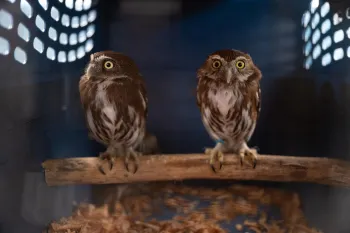
Meredith and I fell in love with the pygmy owls from the moment we saw how small they were. On the boat ride to the island, we sat next to them and made sure their crate was covered so they wouldn’t get wet from the pouring rain.
Pygmy owls are one of the smallest owl species in the world. They’re so small that often, well-meaning individuals assume they’re orphaned babies and bring them to the rescue center for help, which was the case for these pygmies. This happens with other wildlife too, but it could unintentionally rob them of their opportunity to survive in the wild on their own. Thankfully, the lucky two who were brought to the rescue center with good intentions were able to return to their home in the wild.
In partnership with local rescue center and sanctuary, Las Pumas, our team in Costa Rica helps educate the public about this issue through an awareness campaign Déjala en Su Habitat, or Leave Them in Their Habitat.
It’s humans' fault that they are in captivity, and so it’s humans' responsibility to get them back. We take that on ourselves.”
Anna Bryant, ARCAS Biologist
Northern tamandua
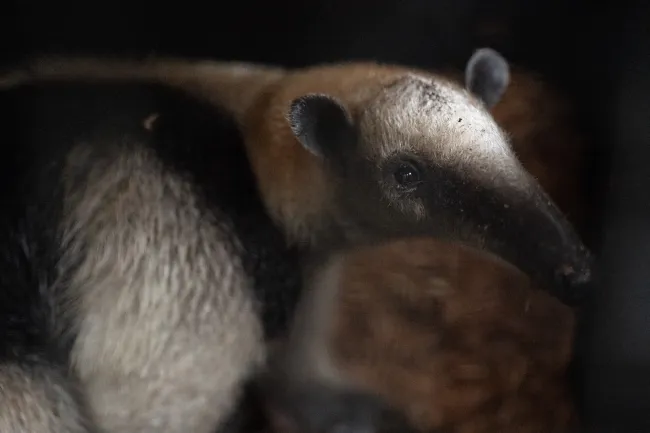
The northern tamandua is a medium-sized anteater native to the tropical forests of Central and South America. Though they are generally shy and peaceful animals, they will defend themselves when threatened by standing on their two back legs and lashing out with their razor-sharp front claws.
Because of this, people often assume tamanduas are aggressive, so they’re chased away or injured.
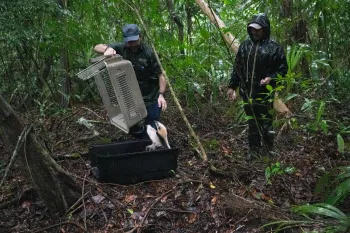
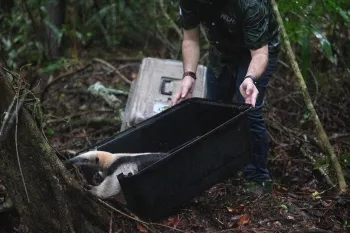
When it was time to release the tamandua, animal health coordinator Dr. Alejandro Morales—who jumps at any chance to care for every tamandua that comes to the center—did the honors. Morales often raises them as babies, so he needs to instill a healthy fear of humans in them before they can be released to the wild.
The proud smile on his face when the tamandua lashed out at him as he opened the kennel was priceless.
Meredith Lee/Humane World for Animals
Meredith Lee/Humane World for Animals
Gray hawk
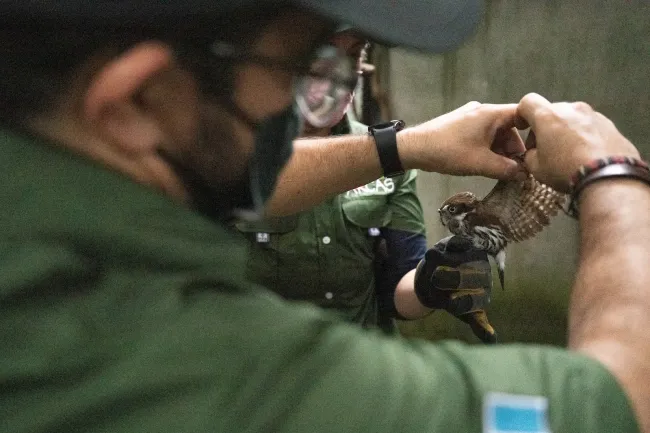
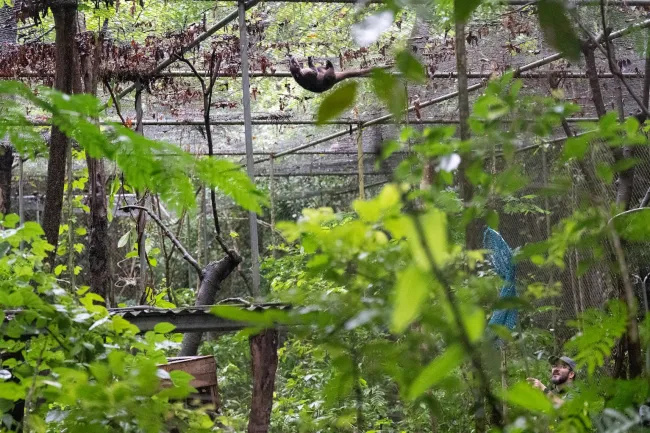
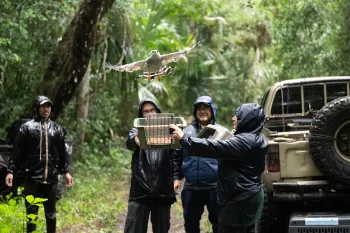
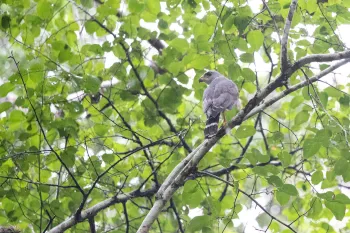
Martínez picked a different individual on the team to release each animal. As we unloaded the last two of the day, he picked me to release the hawk. For birds of prey to survive in the wild, they need to be able to fly and hunt on their own. Thankfully, the gray hawk under ARCAS’ care healed and relearned both crucial skills during his rehabilitation.
In many Indigenous cultures, the hawk is respected as a messenger between the physical and spiritual worlds, and a powerful symbol of strength, courage and wisdom. Getting to be a part of his return to the wild was an honor I will never forget.
As I lifted the lid of the crate, he spread his wings and looked into my eyes before he took flight and perched on a nearby branch. We took a few minutes to enjoy watching him in his natural habitat before we packed up the remaining empty crates for the journey back.
Meredith Lee/Humane World for Animals
Meredith Lee/Humane World for Animals
A calling in the Guatemala jungle
This was just one of the many wildlife releases ARCAS does each year. On the drive back to Petén, the veterinarians and biologists were already discussing what’s needed for the next group to be released. The work they’re doing, while critical to protecting the forest, is also mentally and physically challenging.
“Guatemala has such a large amount of biodiversity, so anything we can do to help these animals remain in the wild conserves their species and the ecosystem,” says Bryant, ARCAS Biologist. “It’s human’s fault that they are in captivity, and so it’s human’s responsibility to get them back. We take that on ourselves.”
Trafficking, pet trade, forest fires, negative human-wildlife interactions and habitat loss are all major threats faced by wildlife in Guatemala.
We must recognize the interconnection between the health of people, animals and our shared environment, explains Mauricio Mota Charnaud, a Guatemalan environmental lawyer who has been working with Humane World Costa Rica for eight years.
“It’s all connected,” he says. “Guatemalans honor their ancestors by learning from them and passing on their teachings. Being a part of this work gives us the opportunity to educate others about our country’s culture and connection to nature, and I’m proud to be a part of it.”
Related stories
Fundación Defensores de la Naturaleza
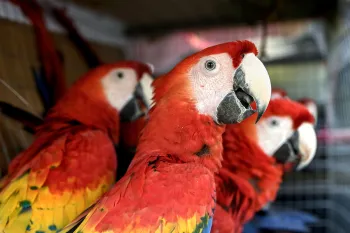
Rescued from wildlife traffickers, 19 scarlet macaws soar back into their native rainforest home with the help of Humane World for Animals.
Sofía Herra/Humane World for Animals
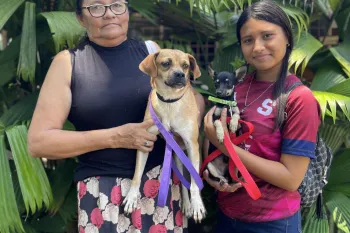
Pilot project organized by Humane World for Animals and local partners aims to turn coastal town into an animal-friendly community through accessible veterinary services and education.
Andrea Induni/Humane World for Animals
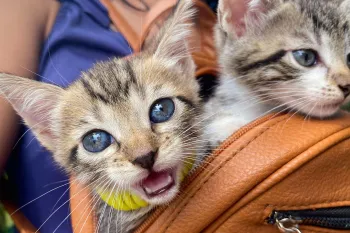
Through mobile clinics, partnerships and donations, thousands of dogs and cats receive lifesaving veterinary services each year all over the globe.