BRUSSELS, Belgium—Humane World for Animals Europe (previously called Humane Society International Europe) welcomes today’s announcement by the French Government that it will end imports of hunting

Lisa Dearing / Alamy Stock Photo
Trophy hunting
Thrill-seekers kill vital wildlife for trophies, display, photos, bragging rights and prizes, and pay big money to kill rare, often endangered, animals abroad and take home their body parts.
Did you know?
Supporters claim trophy hunting helps communities and wildlife by putting money in local people’s hands and culling weak or old animals. But in reality, very little money — as little as 3% of trophy hunting revenue — reaches the areas where hunting happens, and trophy hunters often seek the biggest, strongest animals to kill.
*Species listed under the Convention on International Trade in Endangered Species (CITES) are currently threatened by overexploitation through trade or may become so if trade isn’t regulated.
Inside the problem
Trophy hunters kill for bragging rights and animal parts. In importing countries, restricting the import of hunting trophies takes away these motivations. In exporting countries, state and federal policies can reduce or stop the trophy hunting of native carnivores.
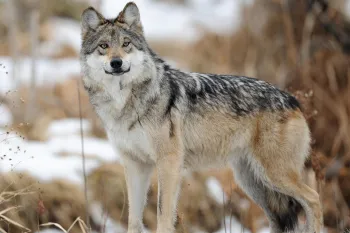
Glenn Nagel/Alamy Stock Photo
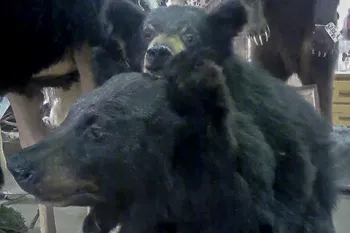
The HSUS
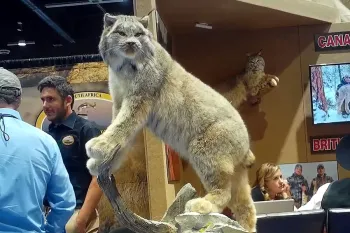
N/A/The HSUS
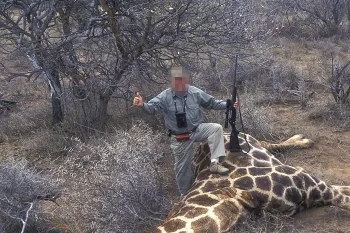
Stuart Abraham/Alamy Stock photo
David Keith Jones/
Animals are not trophies
In the U.S. alone, trophy hunters kill more than 100,000 native carnivores every year. Take action to stop this cruel and unnecessary practice.
The impact of trophy hunting on endangered species
A look into how the cruel trophy hunting industry operates and why the proposed ban on hunting trophy imports is a vital step in protecting species under threat.
The killing of animals for trophies and trinkets threatens not only the survival of threatened and endangered species, but the populations of iconic species overall and it demands the strongest possible deterrence.
Jennifer Hillman, Humane World for Animals
Petitions for change
No animal deserves to be killed for bragging rights. Take action to stop these cruel operations.
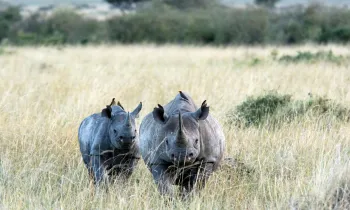
Stop trophy hunting
Contact your Secretary of State and show your support for a ban on trophy hunting and trophy hunting memorabilia.
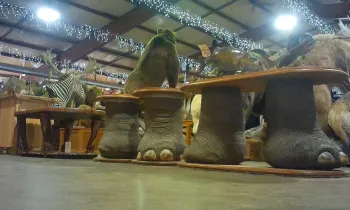
Urge the European Union to stop importing hunting trophies
Nearly 15,000 hunting trophies of species at risk like elephants, lions, giraffes, polar bears and black rhinos were imported into the EU between 2014 and 2018.
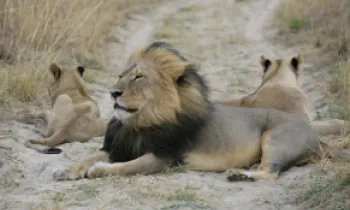
Sign the pledge to end trophy hunting
Every year, hundreds of thousands of wild animals are killed solely to obtain "trophies"—heads, hides or pelts and even whole animals—to stuff, skin and hang on a wall.
Frequently asked questions
Trophy hunting can both directly threaten endangered species and compound threats such as habitat loss, climate change, invasive species, disease, pollution, and human–wildlife conflict by targeting the most reproductively and socially important animals. These animals are essential to healthy and resilient populations. Removing these animals can disrupt social structures, reduce genetic diversity, obstruct generational transfers of ecological knowledge necessary to survive, and contribute to population decline, especially when hunting is poorly regulated.
Efforts to end international trophy hunting focus on removing the incentives that drive the practice. This includes supporting bans on trophy imports from species threatened by trade, pursuing legal protections for vulnerable species, working with airlines and travel companies to block trophy transport and sales, and advocating for stronger local, national, and international wildlife protections.
Public education campaigns also help expose the cruelty and conservation risks of trophy hunting, as well as dispelling common myths used by the trophy hunting industry. The premise that trophy hunting makes positive contributions to species conservation is strongly predicated on the fact that offtake is well-regulated, and decisions are based on high-quality population data. However, these two requirements are largely not met.
Trophy hunting results in the killing of large numbers of animals each year. In the United States alone, trophy hunters kill more than 100,000 native carnivores annually. Globally, we estimate hundreds of thousands of wild animals are killed each year for trophies, including many species that are already under pressure from habitat loss and other threats. The most consolidated data source available regarding trophy hunting is the CITES Trade Database, where countries self-report the number of hunting trophies imported and exported each year of species regulated under the Convention.
These are species that are currently threatened by trade or may become threatened by trade without intervention. The U.S. is the largest importer of such hunting trophies, accounting for nearly 75% of global trade. The EU is the second largest. Since this database only covers CITES-listed species that are traded internationally, the true number of animals trophy hunted around the world each year is vastly larger.
Trophy hunting takes place in many countries around the world. The trophy hunting industry encompasses both domestic trophy hunters as well as foreign trophy hunters who travel internationally to target rare and iconic species.
The 10 largest exporters of hunting trophies from CITES-listed species are South Africa, Canada, Namibia, Zimbabwe, Argentina, Mexico, Kyrgyzstan, Zambia, Russia, and Tanzania. Despite not being top international exporters of CITES-listed hunting trophies, other countries such as the U.S. and some EU Member States have significantly high domestic trophy hunting rates.
Latest news
France commits to end imports of hunting trophies from threatened species
Germany
|Europe
Humane World for Animals launches “mandate for animals” petition in Germany
Germany
|Europe
BERLIN—Humane World for Animals Germany (formerly called Humane Society International) today launched the “mandate for animals” campaign and petition. Through this effort, the animal protection
Elephant trophy imports soar in Trump’s second term
United States
WASHINGTON—A new case study prepared by the Center for Biological Diversity shows that the Trump administration permitted the import of more than 300 elephant trophies in 2025, based on federal
Your gift can do so much for animals in need
Your gift can do so much for animals in need
Start saving lives by making a one-time gift today. You can also help animals all year long with a monthly contribution.
Meredith Lee /Humane World for Animals