The manicured grass lawn has been a symbol of suburban life for decades. But these monocultures of often non-native grasses come with complications. They provide little ecological value, require large amounts of water, create a heavy carbon footprint (when we use gas-powered lawn equipment)—and can directly harm wild animals.
In recent years, there’s been growing pushback to our obsession with maintaining perfectly mowed lawns. The UK campaign No Mow May started in 2019 to encourage people to skip mowing their lawns throughout the month to allow wildflowers to grow and provide food for native pollinators. The movement has since spread to the U.S., Australia, France, Canada and other countries.
But what happens to wildlife the other 11 months? A lot—and little of it is good.
How mowing harms wildlife and insects
Animals—especially ground-nesting baby rabbits, turtles and birds—can be killed directly by mower blades. Regular mowing also removes the long grasses many animals rely on for habitat and cover during the cold winter.
Insects are impacted by mowing on all sides: They lose access to pollinating plants that provide food, get killed by the blades and lose vital habitat.
Research has found mowing reduces both the number and diversity of insects in an area. This might seem like a good thing to many people, but over 40% of insect species worldwide are threatened with extinction. Insects also provide food for the birds we enjoy seeing (and hearing) in our yards and pollinate the flowers we plant to give our outdoor spaces vibrancy. Ironically, evidence suggests that frequent mowing actually attracts more bugs often viewed as “pests,” such as mosquitoes and ticks.
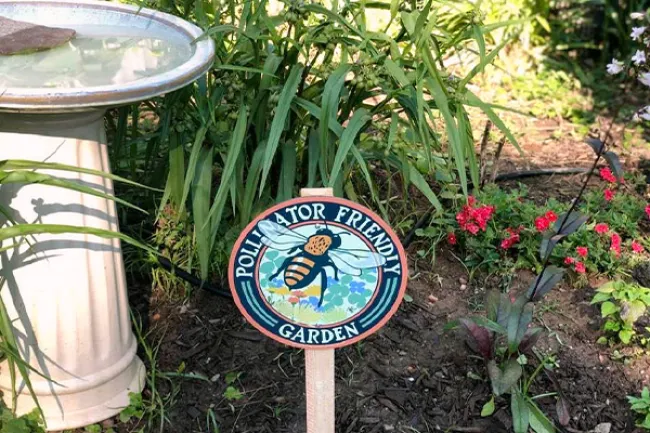
Cary Smith/Humane World for Animals
Despite their harms, trimmed lawns still have a tight grip on society. Many homeowners’ associations and town ordinances mandate grasses stay below a certain height. Renters usually have little control over what their yards look like. Others keep grass lawns because they provide recreation space for themselves, kids and pets. And many simply view lawns as part of the homeownership package.
How to create a wildlife-friendly yard
Even if people can’t completely abandon the traditional lawn, they can still make changes to create safer spaces for wild animals. One of the main tips wildlife experts offer is to reduce the amount of yard devoted to grass. This lets people keep an area for outdoor recreation while also making space for native gardens in less-utilized areas. Short wildflowers mixed with native grasses and sedges can also mimic the look and function of traditional grass.
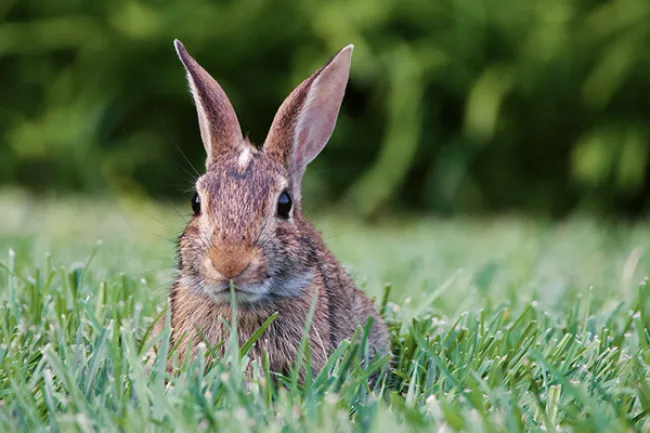
Jawa Enkh JAWA/Getty Images
Wildlife experts also recommend limiting how often people mow their lawns. Keeping grass at least 3 inches tall provides better habitat for animals and can improve the health of the grass itself.
Because taller grass encourages animals to build nests, people should survey their yard for nests before mowing. Common indicators of a nest are patches of dead grass and piles of leaves. Visual markers placed near nests can help people avoid these sensitive habitats when mowing.
Better yet? Skip mowing completely during nesting season in spring and summer.
Safer mowing practices
We can also change the way we mow to better protect wild animals. While it might seem natural to start mowing from the edge of the lawn going inward, this leaves animals with few escape routes of uninterrupted tall grass. Mowing from the center of the lawn outward can help animals successfully flee our yards for safety.
Community members limited in how much control they have over their yards by HOAs, landlords or local governments can advocate for looser restrictions on grass height and mowing frequency. And the same principles that make lawns safer for wildlife—less disturbance, fewer chemicals and more native plants—apply just as much to balconies, windowsills and other outdoor spaces.
Habitat loss is believed to be the greatest threat wild animals face worldwide. Lawns are a small part of this problem, but it’s a part we have a lot of control over. Through simple actions, we can help our wild neighbors survive in a changing world. And we can reduce the amount of time we devote to lawn chores along the way.
JPecha/iStock.com
Make your backyard a safe place for wildlife
No matter how big or small your outdoor space, you can create a haven for local wildlife. By providing basic needs like water, food and shelter, you can make a difference in your own backyard.
Related stories
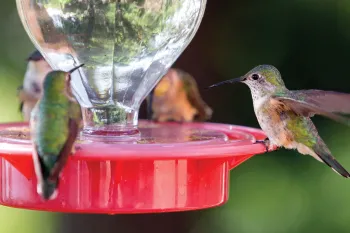
Kevin Trimmer/Getty Images
Backyard feeders, baths and houses meant to attract animals can sometimes do more harm than good.
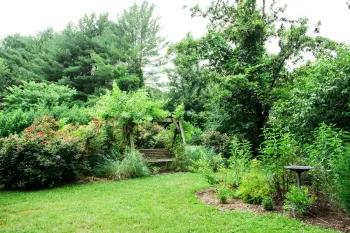
Meredith Lee
Create a humane backyard that gives wildlife a safe place to live free from pesticides, chemicals, free-roaming pets, inhumane practices and other threats.
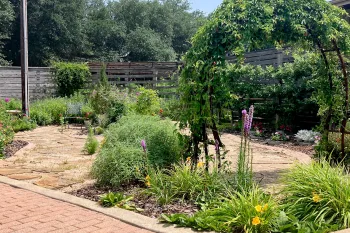
Emily Hamlin Smith/The HSUS
Recreate our colorful Black Beauty Ranch welcome center garden for pollinators with this preplanned design.