Beans may be called the magical fruit, but the nutrition packed inside is no joke. With the current protein craze, their popularity has only grown. That’s because legumes deliver 6-9 grams of protein in a single ounce—on par with amounts delivered by an ounce of beef, chicken, turkey, pork, lamb and fish. Their versatility also makes it easy to bring that protein boost to almost any kind of dish, especially roles formerly filled by meat.
That gives beans a golden opportunity. They are ever more poised to step in and flex their protein power, along with high nutrition, delicious flavor, consummate versatility and low cost. If you’re looking to hit your protein goals and help animals at the same time, beans may be just the place to start. Here's how.
The superhero of nutrition
While protein intake is often associated with animal products, 60% of dietary protein consumed around the world actually comes from plant sources, notes the Food and Agriculture Organization of the United Nations. As a staple food or crop of nearly every country in the world, beans play a leading role in that.
That’s also because plant-based proteins contain all the essential amino acids the body requires, the FAO points out, and any deficiencies beans may have are easily covered by other protein-rich foods in a varied plant-based diet. Rice and beans offer a prime example, as rice contains high amounts of methionine. Legume superstars, soybeans and lupini beans, also cover all the bases of amino acids.
Helen Camacaro/Getty Images
When it comes to nutrition power in beans, protein is only the start. Beans bring a blockbuster of nutrition that outshines meat. As Chef Mohamed Alqamoussi with Humane World for Animals points out, “They’re also packed with fiber, complex carbohydrates and important nutrients like iron, potassium and folate.”
It’s also important what’s not in beans: cholesterol and saturated fat. So, it’s no wonder why UCLA Health calls beans “nature’s perfect food,” and the Pritikin Longevity Center declares “Want to Live to 100? Eat More Beans!”
A boost for animal welfare
Even a small swap can have a large impact for animals. In fact, based on estimates from the FAO, just adopting one meatless day per week for one year spares an estimated 20 animals. That’s the goal of Beansday, which calls for people to swap meat for beans every Wednesday. Along with recognizing the protein power of beans, it celebrates the power of small changes.
Those small changes add up. Every shift toward more plant-based choices helps build a more humane food system, reducing reliance on animal agriculture and sparing billions of animals from suffering. So, a hill of beans on Wednesday—or Beansday—can actually make a mountain of difference to farm animals every day.
That reality is celebrated by actor Kevin Bacon, or “Kevin Bean”—the human face of the Beansday campaign: “Over the years, I’ve developed a deep connection with animals. You get to know them as individuals, and it makes you reflect deeply about the food choices you make. That’s why I loved the idea of Beansday. One simple change in what you eat every Wednesday makes a difference for animals.”
Big Bean Energy. Make the swap. Spread the word.
Little beans can make a big difference. Every Wednesday, your small step helps spare animals and build a kinder food system. Simply sign the pledge to swap meat for beans on Wednesdays. Each week, you’ll get delicious plant-based recipes from celebrity chefs and the Humane World for Animals team—making it easy (and tasty) to stick with it.
Some heroes wear capes—and some eat beans.
Beans’ versatility and variety
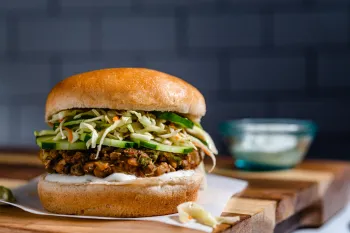
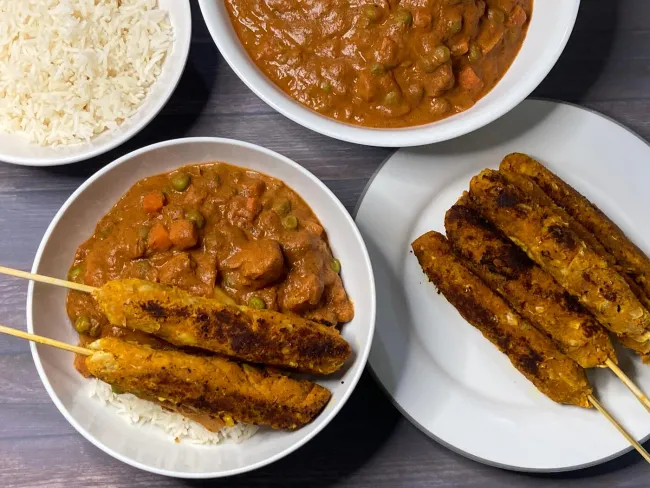
Plant-based recipes such as white bean tikka masala, mushroom lentil bahn mi burger, kidney bean tacos and black bean shepherd’s pie highlight how swapping meat for beans every Wednesday doesn’t have to be difficult. That’s because beans have another superpower—versatility.
“From a cooking perspective, beans are incredibly versatile,” explains Alqamoussi. “They can be used in everything from hummus and falafel to burgers, soups, curries, salads and more. Few ingredients offer that level of flexibility.”
They also act as chameleons, blending easily into a huge range of dishes, as they are generally neutral or light in flavor. Structurally, they are excellent too, Alqamoussi points out. “Beans mash well, bind well and absorb flavor beautifully, which makes them perfect for many plant-based dishes.”
Mary Bonsall/Humane World for Animals
That goes for traditional meat-based dishes too, including burgers, meatballs and tacos. Beans can simulate meat’s flavors, textures and shapes, making them more palatable and appealing to people seeking to eat more plant-based foods. What’s more, beans work well with the same marinades, sauces, broths, herbs and spices used in the meat versions, easing the transition.
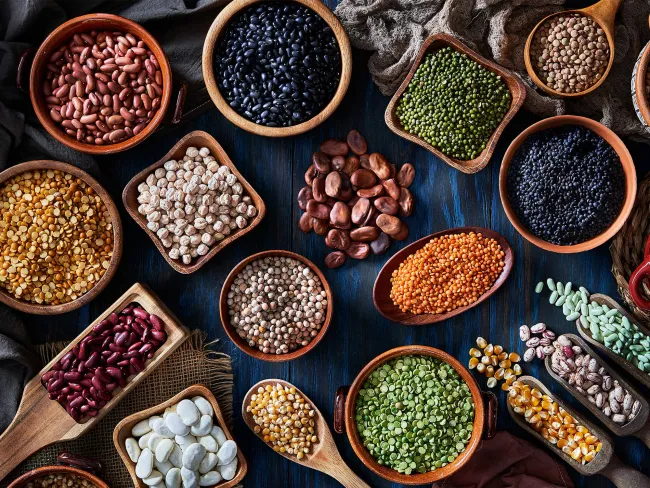
This versatility also comes from bean variety. An estimated 40,000 types of beans are grown around the world—far more than those familiar to the Western diet. Look only a little further afield and find the Blue Shackamaxon, Fat Goose Pole Bean, Good Mother Stallard, Hopi Purple String Bean and the Wonder of Venice. These offer endless variation and experimentation for culinary adventurers.
For Alqamoussi, black-eyed peas are particularly underrated. “They’re versatile, flavorful and work beautifully in soups, salads, grain bowls and stews.” He’s also a fan of cranberry beans and gigante beans because of their creamy texture.
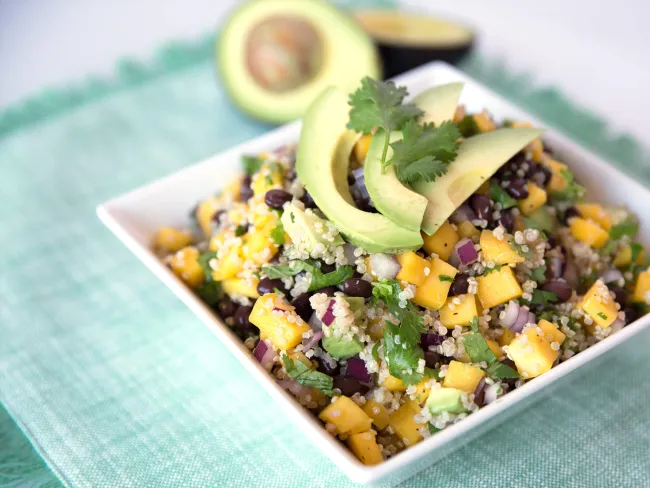
Sylvia Elzafon/For Humane World for Animals
Bang for the buck
When it comes to return on the protein investment, beans outperform many foods, especially meat. While ground beef comes in at nearly $7 a pound today, a pound of dried beans runs a mere $1.63. For that price, bean eaters get a power punch of nutrition for the whole body, with benefits to cardiovascular performance, blood sugar, cholesterol levels, gut health and so much more. As a result, when people have to pinch their pennies, they can still reach their protein goals without tightening their belt.
“Beans are far more than a budget-friendly ingredient,” Alqamoussi enthuses. “They’re one of the most valuable ingredients in plant-forward cooking.”
Related stories
Valentina Cordero/Humane World for Animals
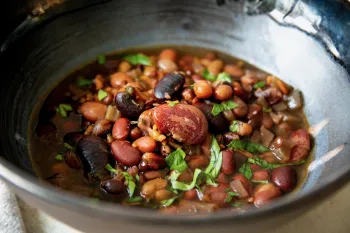
Beansday is for everyone. Those unfamiliar with beans may not know where to start, but luckily, there's a bean for everyone—even the pickiest of eaters.
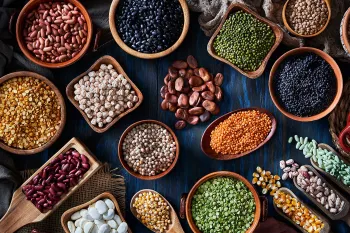
Helen Camacaro/Getty Images
Every Wednesday, we're asking people to swap meat for beans each week. This simple ask saves animals, the environment and even your wallet. Here's how to make Beansday part of your routine.
Leah Tamblyn/Humane World for Animals
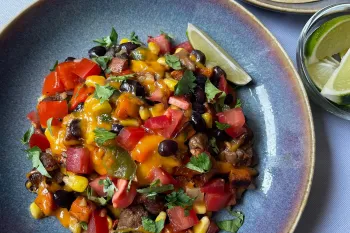
Every Wednesday we're swapping meats for beans. Find recipe inspo with these dishes from around the world.