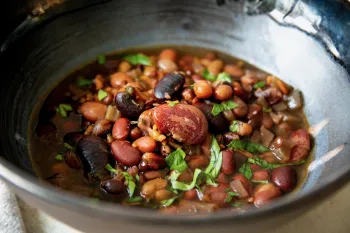
Beans are uniquely nutritious, inexpensive and versatile. Yet, because of misconceptions, some people actively avoid them, while others simply don’t give beans a chance.
Thankfully, some foodies are working to correct these myths. One is Joe Yonan, a veteran food writer whose cookbook, Cool Beans: The Ultimate Guide to Cooking with the World’s Most Versatile Plant-Based Protein, showcases the bean-based dishes found in many cuisines around the world. Yonan points out one reason for their international appeal: “As one of the only foods that’s classified as both a protein and a carb, it’s so easy to plug them into so many different parts of a recipe.” This dual status also means that these legumes are high in both fiber and protein.
Newer to the scene is Madeline Schapiro, an influencer who posts under the name Bean Supporter. Schapiro aims to make bean dishes luxurious and desirable, she says, while spreading the message that “the bean world is our oyster.”
While these two are diehard bean ambassadors, what are the options for people less comfortable with legumes? That depends on the reason for a person’s aversion to beans. There’s a strategy for all of them.
Valentina Cordero/Humane World for Animals
For people looking to eat more beans
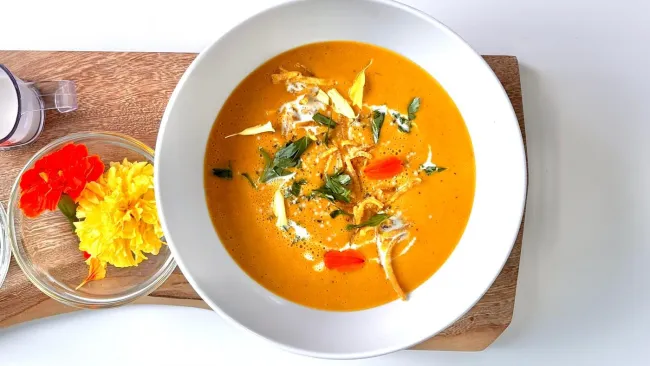
For someone who hasn’t had a great experience with beans in the past, which may be causing hesitation now, Yonan suggests starting small. One tip is to focus on flavors or ingredients that the person loves and then add in beans a little at a time. For instance, a sweet potato fan might enjoy a sweet potato soup that contains some beans but is still mostly sweet potatoes.
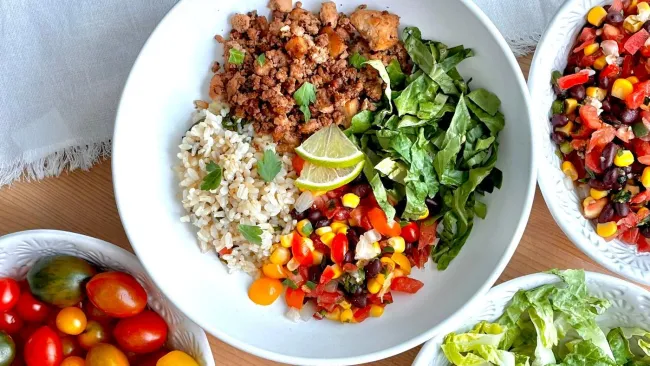
And for fans of Mexican food, Yonan’s “taco bar strategy” is a crowd-pleaser that subtly nudges people toward beans: “If you always have black beans in that mix, as something that they can pick, at some point they’re going to try them.”
Another way to gradually introduce more beans into a diet is to participate in Beansday, a Humane World for Animals campaign that invites people to swap meat for beans on Wednesdays. Schapiro also embraces the social power of this food by hosting bean-focused potlucks she calls bean-ups.
Valentina Cordero/Humane World for Animals
For people sensitive to textures
For many picky eaters, texture is a big issue. Yet, one superpower of beans is their blendability, especially white varieties like cannellini beans and navy beans. “Beans can be blended into any of your favorite foods,” Schapiro explains. “You can make a creamy pasta sauce, like a vodka sauce, by just blending in a can of beans.” Cuban black bean soup is another beloved pureed dish.
People with texture issues might especially appreciate going for the crunch. Yonan adores the Spanish snack of chickpeas fried in olive oil and paprika: “I can’t imagine anybody not liking that.” Crunchy roasted chickpeas work especially well as a salad topper.
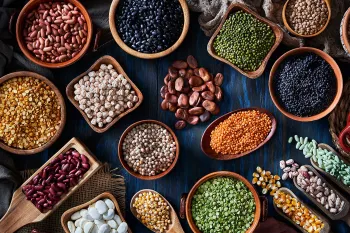
Yonan points out that lentils, beans’ cousins, also offer a variety of textures. These vary from red lentils that soften completely to green lentils that get tender yet keep their shape to black beluga lentils that stay firm and can be fried.
For people with specific taste preferences
While some legume lovers savor the strong, earthy flavor of certain beans, it’s not for everyone. For those wanting a more subtle flavor, Yonan recommends chickpeas and cannellini beans. Alternatively, beans could be integrated into a heavily spiced dish like chili, whether a traditional version or an alternative variant like Yonan’s white chili with green chiles.
Some already love the flavor of beans. And for those who don’t, it’s surprisingly easy to mask their taste entirely, because beans are so versatile. Schapiro has a number of desserts, like beanana bread and a double chocolate black bean cake with a silken tofu frosting, where “all of these are indistinguishable that they have beans in them.”
As one of the only foods that’s classified as both a protein and a carb, it’s so easy to plug [beans] into so many different parts of a recipe.”
For picky kids
Yonan, who has plenty of experience feeding children, points out that kids often like interactive foods. So, dips—like hummus paired with carrots—are a good bet. “I think most kids don't even know that hummus is beans,” he notes.
Schapiro suggests blending beans into mac and cheese, a classic kids’ favorite, to balance the beaniness. But she argues that there’s also a value to children trying multiple times, on different kinds of beans, before giving up. It’s often said that it can take several exposures to a certain food type before a picky eater develops a taste for it.
For people who have fallen out of love with beans
It can be easy to take beans for granted because of just how cheap and convenient they are. As Yonan points out, unlike some canned vegetables, canned beans work a treat. “For a convenience product, they’re just one of the best out there,” he enthuses. “Very few canned plant-based foods hold up as well and are as close to their non-canned counterpart as beans.”
That said, people may find it transformative to cook beans from dried. This allows them to control the seasoning from the very beginning, and to get what Yonan calls the “liquid gold: the cooking broth, which is so delicious.”
Bean connoisseurs are especially fond of heirloom varieties like those sold by the company Rancho Gordo. Many heirloom beans are only available dried, expanding the possibilities for those willing to cook from scratch.
People seeking out the next level of beans could also look for fresh beans. For instance, for folks turned off by starchy, full-flavored lima beans, “fresh, young lima beans are a revelation.” They’re firmer and greener tasting, Yonan describes.
As he likes to say, “everyone has their bean.”
Michelle Riley/The HSUS
Beansday recipes
From bean burritos to bean salad to beans that go on toast, we’ve got tons of recipes that make a world of difference for your health, your wallet and animals everywhere.
Related stories
Helen Camacaro/Getty Images
Every Wednesday, we're celebrating Beansday—the day we ask people to swap meat for beans each week. This simple ask saves animals, the environment and even your wallet. Here's how to make Beansday part of your routine.
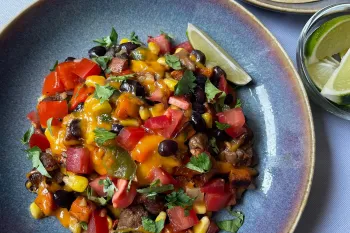
Leah Tamblyn/Humane World for Animals
Every Wednesday we're swapping meats for beans. Find Beansday recipe inspo with these dishes from around the world.
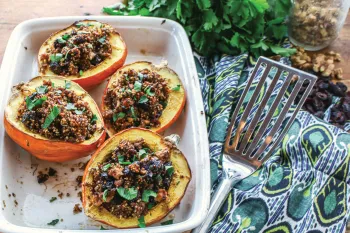
Sharon Palmer
Experts and vegan athletes share tips on how to meet your protein needs with plant-based foods while fueling performance and improving health.