
Shopping
Vote your values with your spending. Let companies know that compassion matters to their customers.
- Choose fur-free fashion. Check labels before buying clothing/accessories and consider patronizing a fur-free retailer.
- Purchase cruelty-free cosmetics and household products.
- Support brands with meaningful animal welfare policies. Email or message your favorite brands to ask about theirs.
- Ask stores to stock more cruelty-free items.
- Give animal-friendly gifts for birthdays and holidays.
Did you know? There are a few different ways to tell faux fur from real.
Eating
You can help animals, people and the planet every day—whenever you sit down at the table!
- Eat one more plant-based meal. You can swap plants for meat in your favorite dish, or try one of these recipes.
- Order a plant-based option when eating out.
- Ask your favorite restaurant to add more plant-based choices.
- Look for higher-welfare options when buying animal products.
- Bring a plant-based dish to your next party/cookout/work lunch.
- Replace cow’s milk or cream in your coffee with oat, soy or almond milk.
Did you know? Legumes deliver 6-9 grams of protein in a single ounce—on par with amounts delivered by an ounce of beef, chicken, turkey, pork, lamb and fish.
Meredith Lee/Humane World for Animals
Join us for Beansday
One simple change can make a big difference for animals. Sign the pledge to swap meat for beans on Wednesdays.
Social media
Use your platforms to help raise awareness of animal welfare issues.
- Follow Humane World for Animals: Twitch | Instagram | X |Facebook | Bluesky |LinkedIn | TikTok | YouTube | Discord (And look for our country-specific social media channels, too!)
- Spot and report fake animal rescue content online.
- Avoid engaging with exploitative wildlife content. Fact-check before re-posting.
- Share posts of adoptable animals to increase their chances of finding a home.
- Volunteer to help an online lost pets group reconnect animals with their people.
- Send a resource directly to someone who would find it useful.
- Look for opportunities to educate when you see people unknowingly repeating misinformation about animal-related issues.
Did you know? Reporting cruelty you see online makes a difference. The more people who report a video, the more likely it will be removed.
Pets
There's so much you can do to help our furry companions.
- Adopt instead of buying from a pet store or online seller.
- Foster pets while they wait for homes.
- Have your pet spayed or neutered.
- Put a collar and visible identification on your cats and dogs and have them microchipped. Keep id information current.
- Keep cats safely indoors.
- Donate pet supplies to a local animal shelter.
- Make an emergency plan and kit for your animals.
- Get our "Pet Inside!" window cling.
- Take photos or videos of animals in need of homes for a rescue group.
- Report suspected puppy mills, dogfighting and other abuse and neglect when you see it.
Did you know? Animals who have been sterilized at an early age tend to live longer, healthier lives— up to one to three years more for dogs, and three to five years for cats.
Michelle Riley/Humane World for Animals
Stop puppy mills
Puppy mills churn out puppies for profit, ignoring the needs of the pups and their parents. Your help is key to ending this cycle of cruelty.
Community
Get out, meet some new friends and help animals at the same time.
- Volunteer with a local shelter or rescue group. Walk dogs, socialize cats or photograph animals to help them find homes.
- Ask your workplace to offer more plant-based food at events.
- Encourage your school/community organization to make humane choices, such as avoiding use of glue traps.
- Educate friends or family about an animal issue.
- Support community cat programs.
- Distribute flyers or post information about lost pets.
- Organize an event such as a dog walk or bake sale and donate the proceeds.
Did you know? Tens of millions of animals live with families in poverty. We're fighting to enable people to keep their pets for life.
Travel and entertainment
Do your best to make sure you're not unintentionally contributing to animal suffering.
- Skip wildlife selfies.
- Research animal attractions before booking. Don't pay to hold, pet, ride or otherwise interact with wild animals.
- Don't support captive marine mammal facilities.
- Skip bullfights and other spectacles involving animal suffering.
- Choose genuinely wildlife-friendly excursions. Observe wildlife from a respectful distance and don't buy wildlife products or souvenirs such as coral or tortoiseshell.
- Share animal-friendly travel advice with your friends and family.
Did you know? Online fame fuels increased exploitation of wild animals.
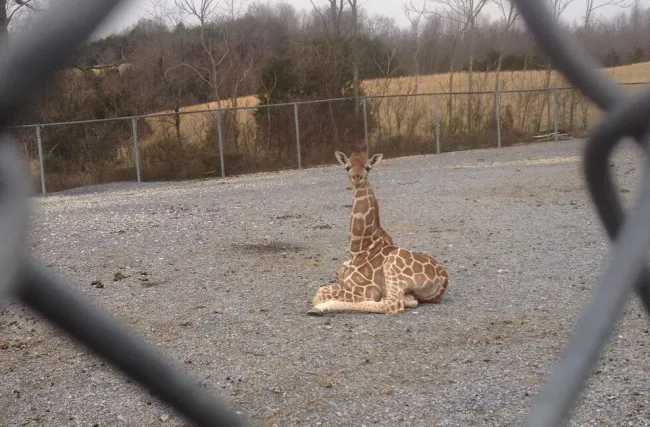
Humane World for Animals
Avoid exploitation
Many people are drawn to animal attractions out of a love for animals but end up inadvertently supporting cruelty. It’s difficult to tell an inhumane operation from an ethical one.
Home and outdoors
You can make a safe space for animals. Imagine how much more wildlife-friendly habitat would exist if everyone tried to help!
- Create a wildlife-friendly yard/balcony or just plant one native flower for pollinators. Remove everyday hazards to wildlife around your home.
- Reduce or avoid pesticides. Use humane solutions when wildlife moves into unwanted spaces and share humane coexistence resources with your neighbors.
- Learn what to do when you find a wild animal who appears injured or orphaned. (In the U.S., try the Animal Help Now app for your phone.)
- Help outdoor/community cats responsibly.
- Decrease the likelihood of having birds crash into your windows by adding decals or other treatments.
- Secure trash to prevent wildlife from getting into it. Cut plastic rings and slice down chip, popcorn and other bags to prevent animals who get into them from choking or suffocating.
- Encourage schools, workplaces or local governments to use native/wildlife-friendly landscaping.
- Participate in a community habitat restoration project.
Did you know? There are innovative and effective approaches you can take to solve any wild animal problems you encounter in your home, yard or garden.

Meredith Lee
Create a haven for wildlife
In a humane backyard, wildlife can live free from pesticides, chemicals, free-roaming pets, inhumane practices and other threats.
Use your voice
Online or off, speaking out for animals can make a real difference to animals and their welfare. When individual choices aren't enough, help change the rules.
- Sign up for email and text alerts to stay informed and take quick actions for animals.
- Find out who your representatives are and call or email them about a cause that matters to you.
- Attend a town hall or other public meeting. (In the U.S.? Consider attending a Humane Lobby Day. )
- Submit a public comment.
- Write a letter to the editor or urge local media to cover animal welfare issues.
- Encourage businesses/institutions you patronize to change policies.
Did you know? Taking action really works! Many of our victories over the years have been thanks to supporters who emailed, called or met with decision-makers to advocate for animals.
Join our fight
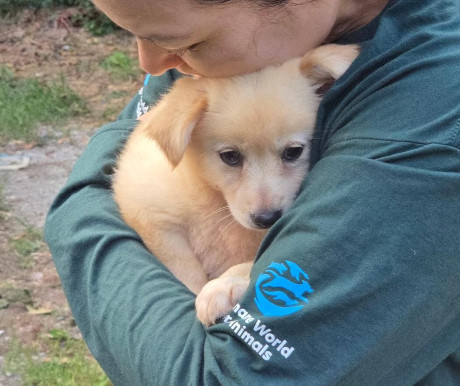
Haewon Lee/Humane World for Animals
We can't do our lifesaving work without your support.
Humane World for Animals, formerly Humane Society of the United States and Humane Society International, has been working for over 70 years to create a better world for animals.
A leader in animal welfare, we are tackling the root causes of animal cruelty and suffering to drive permanent change.
Here's how you can help:
- Make a one-time or monthly donation to support our animal protection work.
- Give gift memberships or donate in honor of a loved one or pet.
- Check if your employer offers matching gifts for donations.
- Make plans to help animals in your will.
- Donate your used car, truck or boat (U.S. only).
- Shop our online store. Wear your compassion proudly while supporting animals with every purchase. And consider purchasing from our partner brands.
- Join us at our annual Animal Care Expo or Taking Action for Animals conference.
- Watch our videos, listen to our podcasts and read the Humane World blog.
Did you know? You can learn more about us and our victories for animals from our annual reports.
Frequently asked questions
You don't have to make a huge lifestyle change to help animals. Small actions can make a real difference. You can choose cruelty-free products, eat more plant-based meals, adopt or foster pets, create wildlife-friendly spaces in your garden, support animal welfare organizations and speak up for policies that protect animals. The most important thing is to start somewhere and build from there.
If you only have a few minutes, you can help animals by signing an animal welfare petition, sharing information about an animal welfare issue, choosing a cruelty-free product, reporting animal cruelty or making a donation to support animal protection work. Even one small action can help create positive change for animals.
Helping animals around the world can start with the choices you make every day, including when you travel. You can support animal welfare by researching animal attractions before booking, avoiding activities that involve holding, petting or riding wild animals, and skipping wildlife products and souvenirs. You can also share animal-friendly travel advice with friends and family. Learn about our work around the world.
Yes. Many animal protection victories start with individuals who decide to take action. When people choose cruelty free products, speak up about animal welfare issues, sign animal welfare petitions or inspire others to get involved, those actions create momentum for greater change. Helping animals is about doing what you can.
Keep me up to date!
I want to know the latest news and the quick, simple actions I can take to help animals each week.
Anna/Adobe Stock photo