When it comes to decreasing the suffering of pigs, chickens, cows and other animals caught up in the massive system of factory farming, it can be easy to wonder whether a single meal really matters. One lunch. One dinner. One decision in the middle of a busy day.
But meals are connected to a global food system that shapes which industries grow, how land and water are used, and how many animals are bred into lives of confinement and suffering.
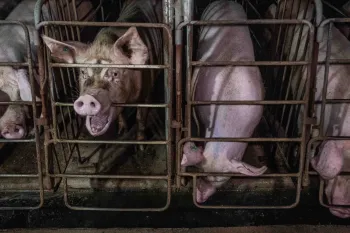
Globally, an estimated 97.6 billion land animals are kept and slaughtered for food each year, most in industrial factory farms. Behind that number are individual animals bred into systems that too often deny them space, daylight, social bonds and the chance to engage in natural behaviors.
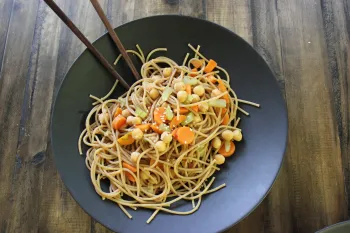
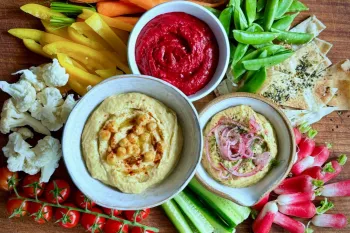
A plant-based meal does not require an animal to be bred, confined, transported or slaughtered. When enough meals change, demand changes—and fewer animals are forced into systems that treat them as units of production rather than sentient beings.
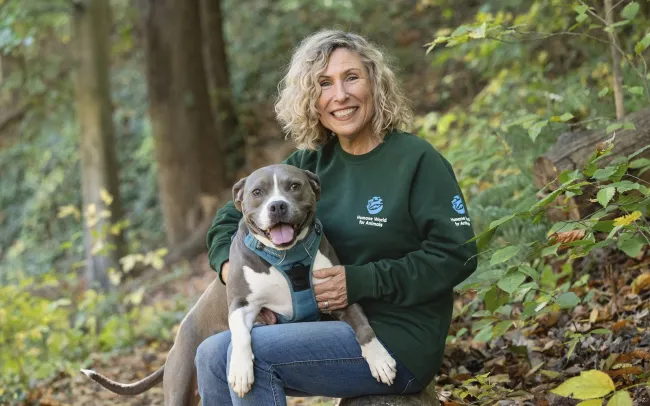
Meredith Lee/Humane World for Animals
On Wednesdays, we bean!
Every Wednesday, swap meat for beans. It's a simple switch that can make a big difference for animals, people and the planet.
For climate and animal suffering, food choices are part of the solution
Since agricultural expansion is a leading driver of deforestation and biodiversity loss, land spared from feeding intensive production can create opportunities for ecosystem restoration and habitat protection. A bean burrito, lentil bolognese or tofu stir-fry is not just a substitute for meat, it is part of a food future with more room for wildlife and the places they need to survive.
Here are the facts:
- The global food system is responsible for at least one quarter of human-caused greenhouse gas emissions. Large studies have found that moving menus toward plant-based proteins can cut diet-related greenhouse gas emissions by 30% to 50%.
- If the world shifted to plant-based diets, global agricultural land use could fall by about 75%, from roughly 4 billion hectares to around 1 billion hectares. Today, global agricultural land covers about 4.8 billion hectares, including about 3.2 billion hectares of permanent meadows and pastures.
-
Shifting menus toward plant-based proteins can lower freshwater use by more than 50%. Animal agriculture is a major part of agriculture’s water footprint, with more than 90% of water withdrawals for animal agriculture tied to growing animal feed. Agriculture accounts for about 70% of global freshwater withdrawals, and animal agriculture adds pressure through drinking water, feed-crop irrigation and pollution from manure and fertilizer runoff.
Why choosing a plant-based meal matters
Individual choices add up. When people decide to opt for plant-based meals each day, it starts transforming larger systems. A school district, hospital system, university, city agency or food service company making those meals more prominent can multiply that impact. These institutions serve millions of meals, and their purchasing decisions can change what suppliers grow, manufacture and distribute.
That is why our plant-based procurement program, Forward Food works with institutions on chef trainings, menu development, recipes, procurement guidance, marketing support and impact tracking. The goal is to make compassionate eating easy, delicious and available wherever people eat.
Around the world, traditional cuisines have already been long centered on beans, grains, vegetables, nuts, seeds, herbs and spices. Plant-based eating is already global, culturally rich and rooted in feeding people with care.
So, does one plant-based meal matter? Yes. It matters because it’s a vote for a different food system: one that breeds fewer animals into suffering, uses land and water more carefully, reduces climate pollution, and supports the people and businesses expanding access to options for everyone. You can voice your support for farmed animals, too, by asking the restaurants and food venues you frequent to offer plant-based options. Because one meal will not change everything by itself, but it still matters. And millions of meals, chosen again and again, can.
Kitty Block is president and CEO of Humane World for Animals. Follow Kitty Block.