
Liliana Pacheco Ricote/Humane World for Animals
Every wild animal matters. When wild animals are harmed because of human actions—injured, trafficked, or displaced—they need fast, expert care and a clear path to recovery.
Humane World for Animals works with a network of dedicated partners to respond to wild animals in urgent need. By working together, we strengthen capacity, share resources and ensure animals receive high-welfare care from people equipped to meet their often-complex needs.
Each animal receives a tailored plan, from initial rescue through to long-term sanctuary or release back into the wild.
This work is made possible through our in-house experts and field and funding partnerships.
Our recovery mission
Working in partnership, we give rescued animals a genuine chance to recover, through:
- Guidance for law enforcement—clear, evidence-based guidance on caring for rescued wild animals complemented by the provision of essential and operational tools to support effective response.
- Expert rescue support—supporting specialist wildlife rescuers and rehabilitators responding to live trade and emergency situations.
- Systems for safe care—establishing access to veterinary care, safe transport and temporary shelter until placement in sanctuary or release.
Partners in action for wildlife recovery
Our partnerships span the globe, each focused on giving rescued wild animals the best possible chance of survival and recovery.
Vulpro: vulture recovery, South Africa
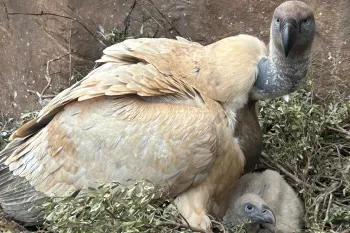
We have participated in the successful release of rehabilitated vultures and co-funded a conservation breeding program for injured vultures who are now unable to survive on their own, which celebrated the successful hatching of an endangered Lappet-faced chick.
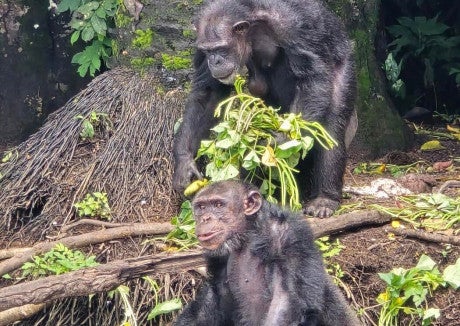
Second Chance Chimpanzee Rescue, Liberia
Providing sanctuary for more than 50 chimpanzees, alongside environmental education and wildlife conservation programmes in schools and communities.
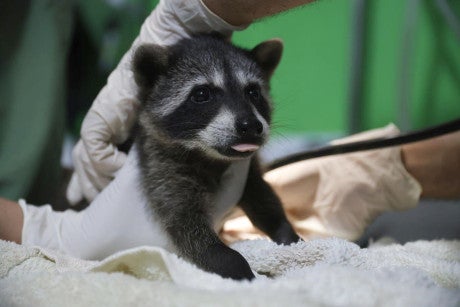
ARCAS wildlife centre
African Pangolin Working Group, Africa-wide
Strengthening law enforcement capacity, regional policy, rescue, rehabilitation, and reintegration efforts for pangolins—the world’s most trafficked mammal.
ARCAS, Rescate and Las Pumas Rescue Centers, Latin America
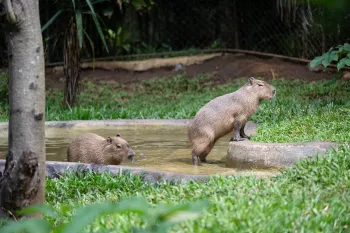
Working with partners in Guatemala and Costa Rica on law enforcement capacity building, humane education and the rehabilitation and release of wildlife rescued from the pet trade and other harmful human interactions.
Coming soon: A Wildlife Critical Care Network
Wild animals rescued from the live wildlife trade need urgent, often life-saving care. Yet rescuers frequently lack a fast, reliable way to connect with specialist veterinarians and experts—leading to delays or leaving animals housed in unsuitable conditions.
Connecting responders and veterinarians
Humane World for Animals is developing the Wildlife Critical Care Network—a tool to help first responders quickly access the expertise, care and safe housing they need.
Return to the wild
Our goal is always to return wild animals to the wild, where they belong. Where that is not possible, this network connects professionals to ensure placement in high-quality, long-term sanctuary.
More about our work
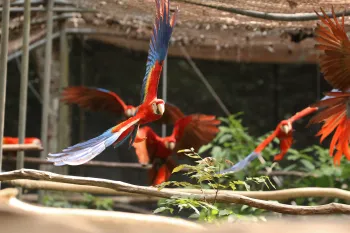
Alejandro Morales/ARCAS
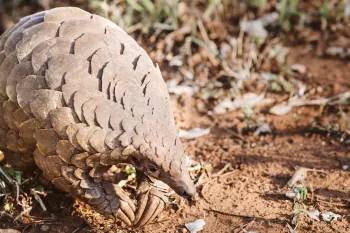
Casey Pratt/Love Africa Marketing for Manyoni Private Game Reserve and the Zululand Conservation Trust-Project funders with the African Pangolin Working Group
Meredith Lee/Humane World for Animals
Related
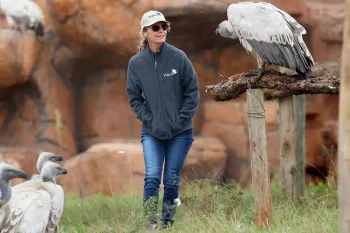
Wolter is the founder and chief executive officer of the nonprofit Vulpro, which works to protect the future of Africa’s vultures.

Humane World for Animals is helping give hope to plummeting vulture populations by funding rehabilitation and reintroduction efforts.
Vultures were given greater protections against persecution for international trade at the 20th Convention on International Trade in Endangered Species meeting.
Be Part of the Change for Animals
Get breaking news, urgent alerts, and easy ways to help animals—delivered to you.
ZUMA Press, Inc./Alamy Stock Photo