BRUSSELS – The Danish government has decided to pull the plug on its mink fur farming industry, putting animal welfare ahead of the commercial interests of the country’s seven remaining fur farms

Jo-Anne McArthur/Andrew Skowron / We Animals
Ending the use of animal fur in fashion
The fashion industry is changing and it’s time to leave cruelty to animals behind.
At Humane World for Animals, we work to end the use of animals in fashion by campaigning against fur and other forms of cruelty in the clothing industry. We advocate for policies that ban fur farming and fur sales, pressure retailers to drop real fur, and educate the public about animal-friendly fashion choices. Our goal is clear: a truly fur-free future where clothing and accessories no longer rely on the suffering of animals.
Cruel statistics
Whether confined in fur factory farms or trapped in the wild using archaic metal traps, animals suffer greatly for the fur trade. Fur production is outdated and completely unnecessary. Many warm, fashionable, animal-friendly alternatives are readily available.
10s of millions
of animals
each year are killed for fur worldwide
1,600+
brands, designers and retailers
around the world have pledged to go fur-free
23
countries
have banned fur farming
The problem with fur
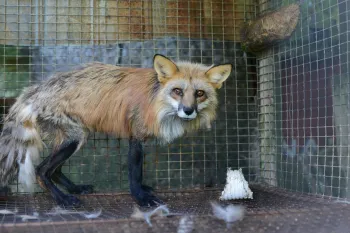
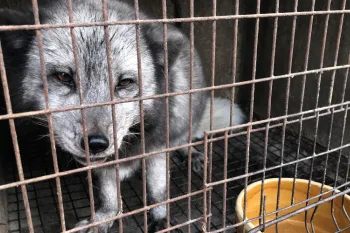
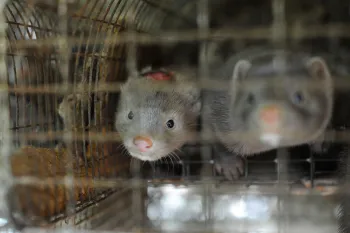
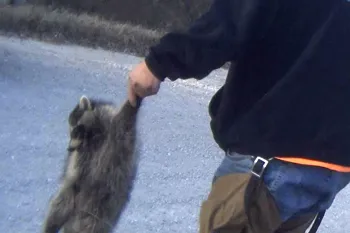
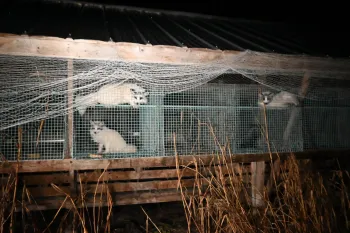
Most people don’t know how much an animal suffered for the fur trim on a jacket or pompom on a hat. Many also don’t know where the trim really comes from, or what life is like on a fur farm.
Jo-Anne McArthur/SPCA
Jo-Anne McArthur/SPCA Montreal
BornFreeUSA/HSI/The HSUS
Sally Ivens/HSI
Our work around the world
Meredith Lee/The HSUS 2025
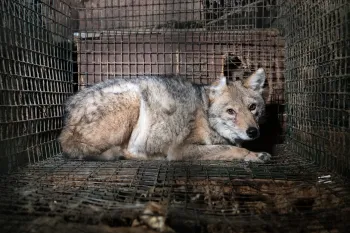
In the U.S., there are no federal regulations related to the welfare, care or slaughter of animals farmed for their fur. We're asking the public, designers and policymakers to shun real fur.
Oikeutta eläimille/We Animals Media
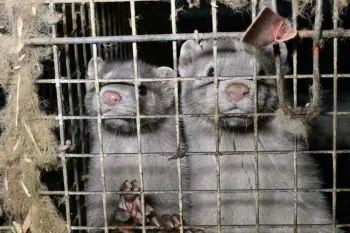
More than 1.5 million European citizens support a fur-free Europe. Join us in calling on policymakers to end to the fur farming and trade in Europe.
Doug Peters/For Humane World for Animals
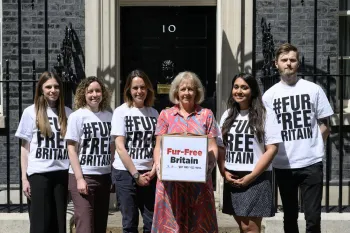
Despite banning fur farming in 2000, the UK still imports real fur from overseas. But if it’s too cruel to farm in the UK, then it’s also too cruel to sell in the UK.
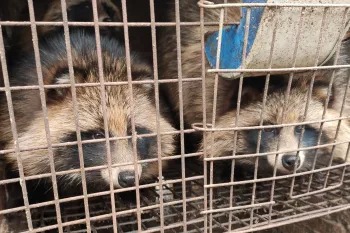
Fur
Call to end the farming of animals for fur and the placing of farmed fur and fur products on the EU market
Petitions for change
The fur trade is now in serious decline, but many millions of animals still continue to suffer each year. Help us put pressure on policymakers and fashion brands to end the fur trade for good.
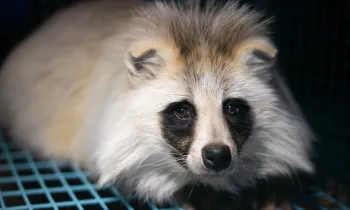
Stop animal cruelty on the runway
Tens of millions of animals suffer and die every year for frivolous fur fashion.
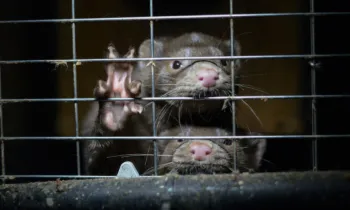
End cruel fur farming in Iceland
Fur farming causes suffering to animals, damages the environment and is a risk to public health.
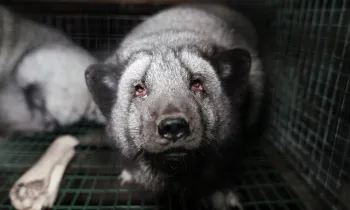
Stop fur farming in Europe
The evidence is clear, the moral case undeniable and EU citizens overwhelmingly demand change.
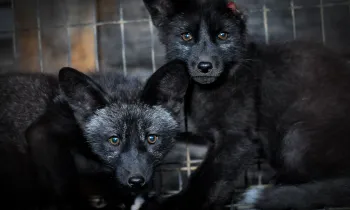
Tell companies to say no to cruel fashion
The fur trade is harmful to animals, people and the environment.
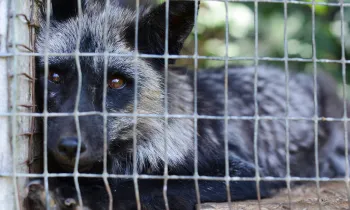
Help us end fur cruelty in the United Kingdom
Help end the cruel fur trade in the UK. Sign our Fur-Free Britain petition today!
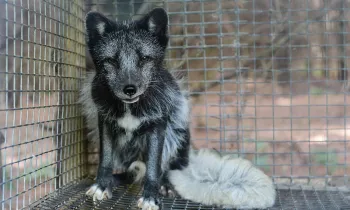
End cruel and deadly fur farming worldwide
End the cruel and deadly fur trade before it causes the next pandemic.

Ban fur farming across Canada
Every year, more than two million animals are killed for their fur in Canada.
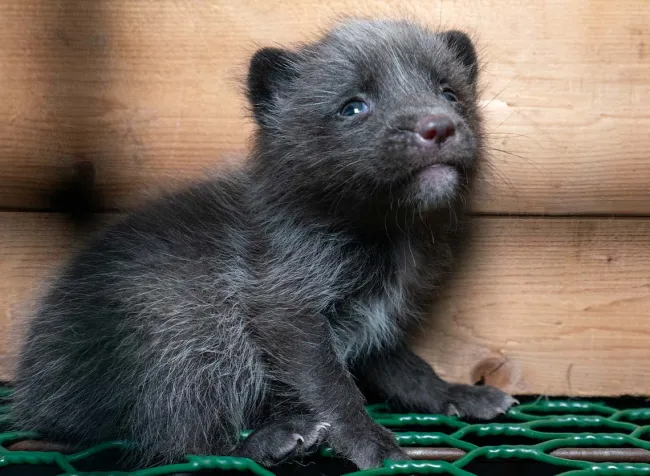
Kristo Muurimaa/Oikeutta Elaimille
Living cruelty-free
Fur-free fashion matters
Fur fashion comes at a devastating cost to animals. Every year, tens of millions of animals, including mink, foxes, raccoon dogs, and more, are killed for their fur. These animals are kept in filthy, cramped cages and subjected to cruel killing methods, or caught in brutal metal traps unable to seek shelter or food before being drowned or crushed to death, all in the name of profit and fashion. But fashion doesn’t have to be cruel. Fur-free fashion is compassionate, innovative, and increasingly in demand. Designers, consumers, and major brands around the world are rejecting fur—and together, we can help make fur a thing of the past.
N/A/
Humane World for Animals
Shop to help wildlife
Whether you are treating yourself or someone you love, your purchase supports lifesaving work for animals everywhere. Discover meaningful items that celebrate kindness. Use code BEKIND for 10% off your purchase.
Dig deeper
Understand the issue and how we are working to put an end to this industry.
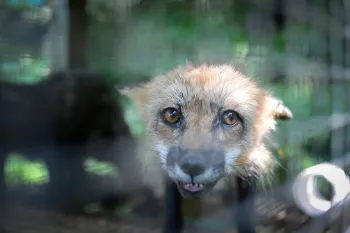
Humane World for Animals has carried out undercover investigations around the world to reveal the realities of the fur trade, and no matter where the fur comes from, animal suffering is constant.
Fur factory farms spread dangerous diseases such as COVID-19 and avian influenza and pose serious biosecurity risks. Studies have found that animals from fur farms harbor numerous viruses that are harmful to humans and threaten wildlife.
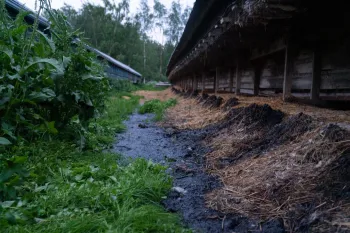
The fur industry has some of the largest negative environmental impacts of any fashion materials in terms of emissions and waste runoff from fur factory farms and toxicity from the dying and tanning process.
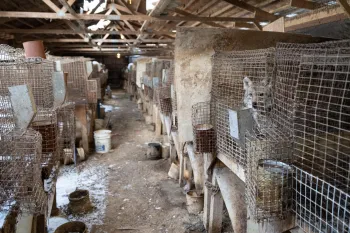
From suffering to safety—over 300 animals rescued from unimaginable conditions from a cruel fur farm. Their transformation is a powerful reminder: compassion is always in style.
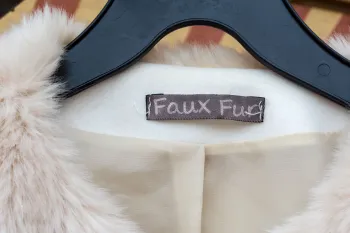
You know fur is cruel. But do you know how to avoid buying it? Here's how, in two easy tricks.
Instead of running and swimming in the wild, animals on fur factory farms are confined in small, barren cages for their entire lives only to be killed by electrocution or gassing all for a frivolous fashion accessory that no-one needs. Most fashion brands have already opted for more modern materials making it time to end the fur trade once and for all.
PJ Smith, Humane World for Animals
Frequently asked questions
"Fur-free" signifies that a company or retailer has pledged not to sell, manufacture or promote items containing animal fur. This commitment reflects a growing awareness of the cruelty inherent in the fur industry. Animals raised for fur endure inhumane conditions on fur farms, confined to small cages and subjected to cruel killing methods. Animals caught in brutal metal traps in the wild suffer greatly too. By choosing fur-free products, consumers support businesses prioritizing ethical practices and help reduce demand for fur.
The fur trade has a devastating impact on animals. Whether trapped in the wild or caged their entire lives on fur farms, animals endure immense suffering. Trapping results in prolonged pain and injuries before a brutal death. On fur farms, animals are confined to small, unsanitary cages, deprived of the ability to engage in natural behaviors. They are killed using inhumane methods such as gassing or electrocution. By supporting fur-free companies, you can help end this cruelty and promote more compassionate choices.
Tens of millions of animals are killed for their fur each year worldwide. This includes animals raised on fur farms, such as mink, foxes, raccoon dogs and chinchillas, as well as those trapped in the wild, like coyotes and beavers. The industry has been in decline for many years, but the scale of the fur industry continues to contributes to immense animal suffering. By supporting fur-free alternatives, you can help reduce this staggering number and create a more compassionate world for animals.
The concept of "humane" fur is highly misleading. While the fur industry may claim that fur can be obtained humanely, the reality is that the fur trade inherently involves animal suffering. Even on farms that claim to be certified, animals are still confined in small, wire-bottom cages for their entire lives, unable to act out their most basic natural behaviors and are ultimately brutally killed by gassing or electrocution for their fur. Trapping animals in the wild is also highly problematic, as it results in prolonged suffering, including killing by bludgeoning or suffocation. The archaic metal-jawed traps also capture non-target animals, like threatened species and even people’s pets. The most humane choice is to avoid fur altogether and support fur-free alternatives. We advocate for compassionate fashion choices that do not contribute to animal cruelty.
You can help end fur cruelty in several impactful ways! First, choose fur-free clothing and accessories, opting for alternatives made from ethical and sustainable materials. Second, spread awareness by educating your friends and family about the cruelty of the fur industry. Third, support organizations like ours that are actively working to end the fur trade through advocacy and education. Additionally, contact retailers and designers and urge them to adopt fur-free policies. Finally, advocate for legislation that bans fur farming and the import/sale of fur products in your area. Every action, no matter how small, contributes to creating a more compassionate world for animals.
We are actively working to end the fur trade through a multi-faceted approach. We advocate for fur-free policies by engaging with retailers, designers and policymakers, encouraging them to commit to eliminating fur from their products and operations. We also educate the public about the cruelty of the fur industry, raising awareness about the suffering endured by animals raised and trapped for their fur. We support legislation aimed at banning fur farming and the import and sale of fur products. Additionally, we collaborate with other animal welfare organizations to amplify our impact and create a stronger voice for animals. Through these efforts, we strive to create a fur-free world where animals are treated with compassion and respect.
Latest news
Denmark pulls the plug on mink farming
Europe
|Germany
|Italy
|Romania
|Poland
International outerwear brand Woolrich Europe has officially announced a fur-free commitment
Global
|Europe
|Germany
|Italy
|Romania
LONDON — International outerwear brand Woolrich Europe has officially announced a fur-free commitment in collaboration with the Fur Free Alliance, a coalition of 45 animal protection organizations in
Calls for Icelandic fur farming ban escalate as damning new report shows country’s fur farming industry costs society 981 million ISK
Europe
REYKJAVÍK ―A damning new economic study of Iceland’s fur farming shows that the industry has been operating at a financial loss for many years and had a net societal cost of 981million ISK (£6m/$8m)
Fight fur farming
Fight fur farming
Your lifesaving donation helps us continue our critical work to end cruel fur farming and to protect all animals suffering from cruelty and neglect.
Kristo Muurimaa/Oikeutta eläimille