In thousands of puppy mills across the U.S., nearly 500,000 dogs are kept solely for the purpose of breeding. Many of the mother and father dogs are killed or discarded when they become too old to breed, never knowing what a loving home feels like. But in recent years, as the cruelty of puppy mills becomes common knowledge, 10 U.S. states and more than 500 localities across the country have banned the sale of puppy mill puppies in pet shops. Still, each year, almost 2 million puppies are sold from these massive commercial dog breeding operations. Here Kathleen Summers, outreach and research director for our Stop Puppy Mills campaign, and Amanda LoCoco, research program manager for our Stop Puppy Mills campaign, explain why individual choices count in the fight to end the systemic cruelty of puppy mills.
“Why does it matter if I buy a dog from a pet store instead of adopting from a shelter or rescue? Don’t they all need homes?” As long-term coworkers for the Stop Puppy Mills campaign, this is one of the most common questions we receive.
While every puppy certainly deserves a loving home, purchasing from pet stores (or unseen online breeders) is an almost surefire way to put your hard-earned dollars in the pockets of the cruel puppy mill industry.
But dollars that go toward adoption fees support a worthy cause—your local shelter or rescue, which can always use the funds toward giving animals who are still searching for homes the care they need. Every dog adopted from a shelter or rescue means one more deserving animal that they can take into their care.
Some people worry that refusing to purchase a puppy from a pet store means that puppy will never find a home. What actually happens is it decreases demand and profitability so that the pet store will eventually need to reduce the puppy’s price, sometimes drastically—thus taking the profit out of selling puppy mill dogs.
This is part of how we can all help change systems built on animal cruelty: When the money dries up, the industry fails.
The joy of adopting a dog
As coworkers who both live with adorable adopted dogs, we can assure pet lovers that there is a better way to find a wonderful canine companion, even if your favorite breed is a purebred or you have particular needs, such as a non-shedding dog.
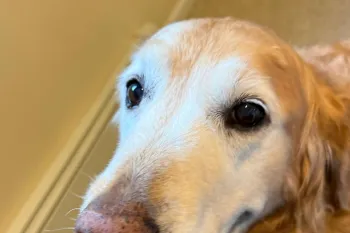
Amanda has a golden retriever who was originally in a puppy mill but was adopted via a local rescue. Kathleen has a Chihuahua who was found as a stray, plus a shih tzu from an animal shelter, and a shih poo from a large-scale neglect situation whom she adopted through a rescue.

Kathleen Summers/Humane World for Animals
All four of our dogs are adorable and often receive admiring comments from our neighbors. And in bringing them into our lives and homes, not a single dollar went to supporting puppy mills.
Making a real difference for dogs in puppy mills: What the numbers say
We see indications every day that new laws and educational campaigns are having an impact, but as professional researchers, we wanted to look closely at what the numbers reveal.
Because the U.S. Department of Agriculture is the only nationwide entity that licenses and inspects commercial dog breeders, we started there. Amanda reviewed the number of licensed dog dealers and breeders on the USDA’s current website. Her research revealed that there has been a 6% drop in the number of dealers and breeders licensed to sell to pet stores (and online) between January and September of 2026 alone.
Kathleen then compared the numbers to our older records and found that the total number of commercial breeders licensed to sell to pet stores has dropped more than 23% since 2020. This loosely correlates to the same 20% reduction in states that allow puppy sales in pet stores, now that 10 states have passed laws to prohibit the practice.
These numbers suggest that the retail pet store laws that we advocated for are having an effect in lowering the number of large-scale puppy mills that sell to pet stores and online.
Not only is the number of commercial breeders decreasing, but the size of their facilities is as well. Our research last year found that the average size of USDA breeders is currently about 57 dogs per facility, a drop from 87 per facility over the course of a decade.
The smaller size of these mills, combined with the decreasing number of facilities, means puppy mills are churning out 550,000 fewer puppies each year.
It’s our job to also be skeptical. So, we asked ourselves whether large-scale breeders are dropping the licenses that allow them to sell to pet stores and simply moving to online sales instead. But our research shows no indication that online sales are increasing at the same rate that USDA licenses are declining. Plus, the USDA already requires commercial breeders who sell online to maintain the same license under the same criteria as those who sell to pet stores.
Also, a similar decline is being seen in some state breeder rosters as well, including Missouri, one of the largest producers of puppy mill dogs. This suggests that the pattern of decline is real and it’s making a difference.
Bottom line: People are learning about the cruelties of puppy mills, humane pet store laws are having an effect, and we are moving the needle toward ending the systemic cruelty of puppy mills.
That’s why, if you are looking to add a dog to your family, making the choice to adopt helps to harness this momentum toward a kinder, more compassionate world for dogs. Our dogs—Gracie the golden retriever, Satito the Chihuahua, Hans the shih tzu and Joe the shih poo—bring us just as much joy as any dog we could buy in a store, if not more so, knowing that they weren’t born to a mother dog suffering at a puppy mill.
Become part of the movement to stop puppy mills
If you’re not totally sure whether you’re ready to give a permanent home to a dog, one way you can try out having a pet in your home is to foster a pup. This helps shelters tremendously because it frees up space and resources so that they can help more animals.
If you hear of a friend or family member determined to buy a dog, explain to them that they should purchase only from a small-scale humane breeder whom they meet in person and only after seeing where their dogs reside. This can help ensure that their dollars don’t support puppy mill cruelty.
And if you do decide you’re ready to welcome a dog into your family, try adoption first. This small step really does matter. Together, we can lift some pressure on shelters and their hardworking staff and give deserving animals a chance at a real home.
Kathleen Summers is outreach and research director, and Amanda LoCoco is research program manager for our Stop Puppy Mills campaign at Humane World for Animals.