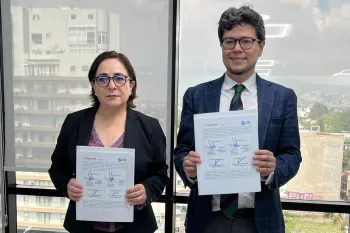
Mexico City—The National Civil Protection Coordination (CNPC) and the international animal protection organization Humane World for Animals, formerly known as Humane Society International, have formalized a collaboration agreement aimed at strengthening disaster preparedness and response capacities in Mexico through an inclusive approach that considers the protection of animals. CNPC is the Mexican government agency responsible for directing, organizing and supervising public policies on prevention, mitigation, relief and recovery from disasters.
This agreement establishes a framework for joint action to enhance institutional capacities and develop animal welfare strategies that can serve as scalable and replicable models across all Mexican states and potentially at the international level. Through this partnership, both parties will promote training, knowledge exchange, and coordinated initiatives to reinforce public policies that foster a culture of prevention, preparedness, and disaster response that includes animals.
Key areas of collaboration include the design and delivery of training programs; the organization of academic and professional events such as forums, workshops and conferences; the development and review of specialized materials for emergency situations; and the sharing of infrastructure and technical expertise. The agreement also encourages collaboration in national and international disaster response efforts to assist animals affected by emergencies. “This agreement represents a major step forward in integrating animals into disaster planning at a national level. By combining the capacities of both institutions, we will strengthen community awareness of the importance of including animals at every stage of disaster preparedness and response, and ensure better outcomes,” said Felipe Márquez Muñoz, program manager for disaster response in Latin America.
Humane World for Animals has long played an active role in Mexico’s national disaster preparedness efforts. The organization has consistently participated in the National Meetings marking the start of the rainy and tropical cyclone season, coordinated by CNPC, and remains the only animal protection organization regularly present at these events.
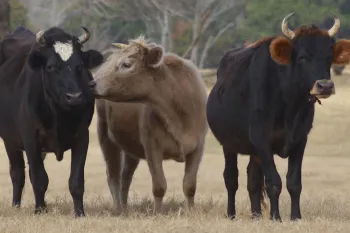
In recent years, Humane World for Animals has responded to multiple disasters across Mexico. Following Hurricane Otis in Guerrero (2023), the organization provided veterinary care, food, and emergency support to more than 1,000 animals. In Oaxaca (2025), after Hurricane Erick, its teams assisted over 1,000 animals in impacted communities with veterinary services, food distribution, and emergency supplies.
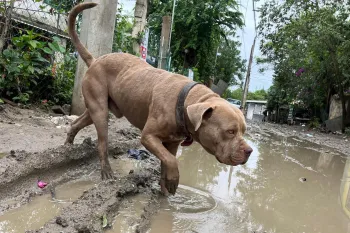
Similarly, in response to severe flooding in Veracruz (2025), Humane World for Animals deployed specialized teams that provided veterinary care and delivered essential aid, including food and supplies, to hundreds of animals in affected communities.
These experiences highlight the growing need to integrate animal protection into disaster risk management, recognizing that animals are deserving of such consideration not least because they play a critical role in the well-being and resilience of affected communities and the individuals who care for them.
Through this new agreement, the National Civil Protection Coordination and Humane World for Animals reaffirm their commitment to advancing a more comprehensive and inclusive disaster management approach in Mexico, one that protects both people and animals, strengthens community resilience, and contributes to safer and more prepared communities nationwide.
At the international level, Humane World for Animals has supported animals affected by volcanic eruptions in Guatemala; earthquakes in Nepal, Ecuador, Mexico, and Turkey; severe storms in India, Haiti, Costa Rica, South Africa, Mozambique, and the United States; wildfires in Australia and Chile; as well as in the context of the armed conflict in Ukraine. In addition to emergency response, the organization continuously invests in preparedness, mitigation, and long-term recovery efforts aimed at strengthening and empowering communities before disasters occur.