We fight for a more humane world—one in which systems aren’t built on the back of animal suffering. When it comes to the use of fur in fashion, we’ve seen remarkable transformation over the past decade.
And today’s announcement that international outerwear brand Woolrich Europe—a company that got its start as a supplier of fur-trimmed coats to the American fur trapper community—is going fur-free is particularly emblematic of this paradigm shift.
The announcement is made in collaboration with the Fur Free Alliance, a coalition of 45 animal protection organizations in more than 30 countries that Humane World for Animals is proud to partner with to take on the international fur industry. As part of the agreement, Woolrich Europe agreed to cease production of new garments containing animal fur by the end of this year with any remaining stock then sold off.
How this achievement happened
Last fall, our campaign urged people from all over the world to send Woolrich emails asking the company to join its competitors—including Canada Goose, Moncler, Napapijri and many others—to go fur-free. More than 200,000 emails were sent. We and our friends at the Fur Free Alliance also held colorful street events outside Woolrich stores throughout Europe to shine a spotlight on the company’s support for the cruel fur trade.
Founded in Pennsylvania in 1830, Woolrich is considered America’s oldest outdoor-clothing brand, supplying clothing not only for the American Civil War and Antarctic expeditions, but also the fur trapper, hunter and logger communities throughout North America.
Similarly, when Canadian retailer Holt Renfrew went fur-free in 2021, it was quite a change of course for a company that got its start as a furrier and major supplier of fur pelts to Queen Victoria. Like Woolrich, these fur-free commitments are a true sign of the times.
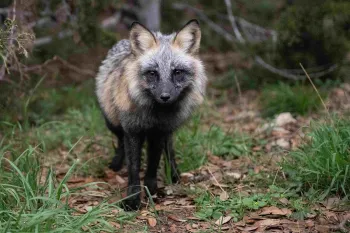
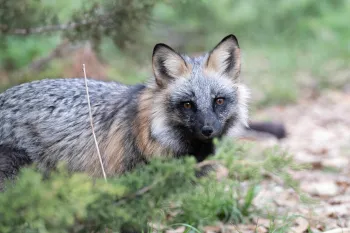
Obviously, much has changed in our society since the days of Queen Victoria and the American Civil War. Today, most fur now comes from large-scale fur factory farms that confine thousands of wild animals, like foxes, mink, raccoon dogs and chinchillas, in small cages for their entire lives with no way to exhibit natural behaviors like swimming, running and digging.
The public has also changed, and they are no longer willing to be associated with products that involve animal cruelty. This is especially true now that bio-based faux fur alternatives are more modern and better for the planet.
Changing global fashion
Today, Woolrich has moved the bulk of its operation outside the U.S., mostly to Europe. The brand also moved under new ownership in the middle of our campaign asking them to go fur-free in 2025, with European operations transferring to Italian company BasicNet and U.S. and Asian operations transferring to Chinese company Baoxiniao. Under BasicNet, we were able to have positive dialogue and eventually come to this agreement for the European business to phase out fur sales. Woolrich Europe has also taken an active role to expand its fur-free commitment to operations outside of Europe, and fur has already been removed from U.S. websites.
The Woolrich announcement couldn’t come at a better time since the European Union is now considering a ban on all fur farming after 1.5 million of its citizens called on the European Commission to phase out the industry through the Fur Free Europe initiative begun in 2022. While the Commission was supposed to present its response earlier this year, the decision has been delayed and could happen any day now. Fur farming is already banned in 24 European countries, and Switzerland recently banned the import and sale of cruel fur products.
Like so many brands and retailers before it, Woolrich Europe, despite its history with the fur trade, clearly saw the writing on the wall that fur is no longer fashionable and made the right business decision to phase it out nearly 200 years after the brand was founded.
Looking ahead
Some wins for animals are so emblematic of the systemic change we advance within industries over time, you can’t help but be in awe of all that’s been accomplished. That progress is not only worth celebrating every step of the way, but it’s something we hope to learn from and replicate for all our fights for animals.
We urge the European Commission to note Woolrich’s announcement as an indicator of these changing times and end this archaic trade once and for all.
Kristo Muurimaa/Oikeutta eläimille
End animal cruelty on the runway
Tens of millions of animals needlessly suffer and die every year for frivolous fur fashion.
Kitty Block is president and CEO of Humane World for Animals. Follow Kitty Block.