WASHINGTON—Founded on August 25, 1916 the National Park Service has been entrusted to conserve and safeguard some of the nation’s most treasured places and the iconic wildlife who have called them home for more than a century. National parks have served as living classrooms for generations of people to learn about the wild animals, landscapes and ecosystems that make our country unique. Since August 1916, visitation to national parks has increased a thousandfold. Last year 323 million people spent 1.39 billion hours on National Park Service lands. The biggest draw for visitation is viewing wildlife or natural scenery.
As the National Park Service marks this 110th anniversary, Humane World for Animals, formerly called the Humane Society of the United States, is celebrating the heroic role the parks have played for many species and reflecting on what has been learned from iconic park residents.
According to Amanda Wight, senior program manager of wildlife protection at Humane World for Animals: “Our national parks not only protect the wild animals and land that we all cherish, but they also provide a critical understanding of animal behavior and the importance of respecting wild spaces, keeping wildlife wild and reducing conflict between people and animals. While millions of people travel to see the beauty of the animals and scenery, it is unfortunate that some still have not grasped the importance of giving wildlife the space, protection and respect they need to thrive, resulting in dangerous situations for wildlife and people. It’s a privilege to see them live in the wild and park visitors have a responsibility to do so in a way that is safe— from a distance.”
Five valuable lessons learned from national parks and their residents over the past 110 years:
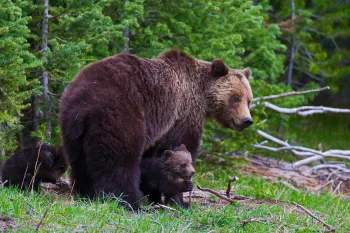
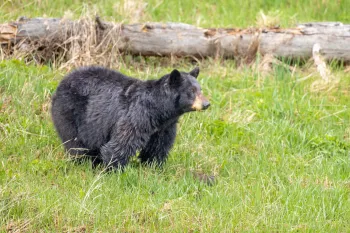
1. "A fed bear is a dead bear.” This saying is often true for many species. Bears and other wild animals have a strong sense of smell and easily find unsecured food, garbage, dirty grills and other attractants. Though wild animals are normally wary of people, they can become less fearful the more they associate people and places like campgrounds with easy food sources. When animals become food-conditioned it can end badly for the animal. To keep animals and people safe, always keep food secured and properly dispose of trash.
2. Respect personal space and pack binoculars. With millions of people visiting national parks each year, incidents of dangerous and irresponsible encounters with wild animals have become common. The mere presence of humans can induce stress in wild animals and change their behaviors. Keeping a safe distance protects wild animals and people. Most parks recommend staying at least 25 yards away from most wildlife and at least 100 yards from wild carnivores like bears and wolves.
3. Don’t forget bear spray. Knowing the behaviors of the species you will be watching and how best to prevent conflict is key. Make noise to announce your presence, avoid areas with recent signs of animal activity like fresh tracks, and carry bear spray. It’s more than 90% effective when used correctly.
4. Be a B.A.R.K. Ranger. Families often bring pets to visit national parks with them. To help keep pets and wildlife safe and ensure a positive experience for all the National Park Service recommends following B.A.R.K. principles:
Bag pet waste: Cleaning up after your pet not only keeps the park clean but can help prevent the spread of diseases and the introduction of non-native plant seeds.
Always leash your pet: Even well-behaved pets must be leashed in parks to prevent dangerous encounters with wildlife and other pets and visitors.
Respect wildlife: Keep your pet a safe distance from wild animals and make sure pet food is secured.
Know where you can go: Many parks have specific rules about where pets can go. Plan ahead and never leave your pet unattended.
5. If you see something, say something. Holding ourselves and other visitors accountable can keep everyone safer. If you think you see an animal in trouble, don’t try to approach them, and speak out if someone else is getting too close. If the activity continues, contact a park ranger right away. In a national park call, email or submit an online form or call 911.
Humane World for Animals celebrates 110 years of the critical role national parks have played in protecting wildlife and the work being done to educate visitors and promote safe and responsible wildlife watching and co-existence.
Facts
- In 2025, the National Park Service reported 323 million visits spending 1.39 billion hours at NPS sites.
- The biggest draw for visitors to national parks is to view wildlife or natural scenery.
- When wolves, grizzly bears and other species wander outside of protected park borders, they face significant risks. In 2021-22, trophy hunters and recreational trappers killed at least 25 Yellowstone National Park wolves in less than six months after wolves crossed the invisible boundary out of the park. Such killing is possible because wolves in the Northern Rocky Mountain region are not currently protected under the federal Endangered Species Act.
- Wolves in the rest of the Lower 48 states could soon be in the crosshairs as well. A bill (H.R. 845) to delist wolves from the Endangered Species Act passed the U.S. House of Representatives in 2025, and an attempt was made earlier this month to fast-track its companion bill (S. 1306) through the Senate.
- Grizzly bears could soon face similar risks. Recently the U.S. Fish and Wildlife Service proposed changes to their Endangered Species Act protections in the Lower 48 states, a move that would give Idaho, Montana and Wyoming unprecedented authority to manage them outside of the national parks.
-
A recent survey shows 78% of Americans support continued federal protection for wolves and 85% support maintaining federal protection for grizzly bears under the ESA.