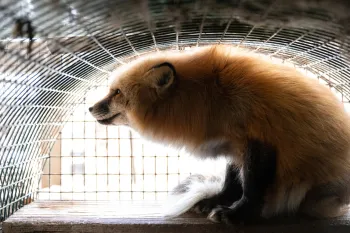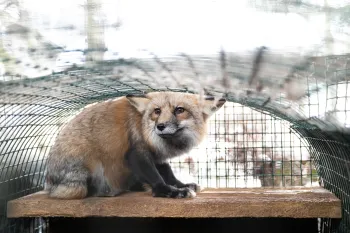
JENERA, Ohio— Yesterday, Humane World for Animals, formerly called the Humane Society of the United States, completed the rescue of nearly 1,000 chinchillas from dire conditions in a commercial breeding operation in Ohio. The U.S. Department of Justice requested Humane World for Animals’ assistance in rescuing the animals from R & R Chinchilla following years of Animal Welfare Act violations at the facility.
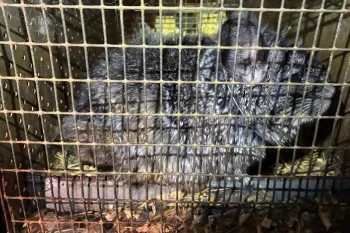
On Oct. 13, Humane World for Animals rescuers entered a dark, bleak environment where they were met with hundreds of chinchillas in rows of filthy wire cages. Over the course of two days, the team brought 642 chinchillas to safety. On Nov. 3, the responders returned to rescue the remaining 309 chinchillas from the facility after federal authorities secured their surrender. In total, Humane World for Animals removed 951 chinchillas from the now-shuttered facility.
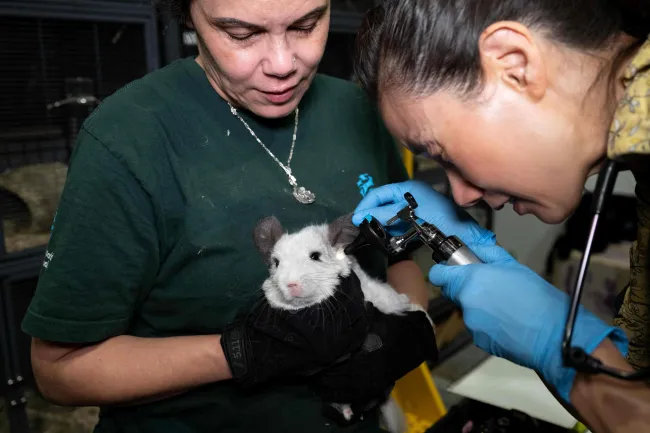
Meredith Lee/Humane World for Animals
Humane World for Animals transported the chinchillas to an undisclosed location to provide much-needed care and treatment. In-depth veterinary exams revealed that many of the chinchillas were suffering from a variety of ailments including severely matted fur, inflamed skin, overgrown teeth, scabs, sores and urine scalding. A number of chinchillas were found to be missing limbs, toes or ears.
“The darkness, filth and utter confinement these chinchillas have languished in is a striking contrast to the lives chinchillas are meant to experience—bathing in volcanic ash and socializing in herds in the Andes Mountains. It was like walking through a factory of forgotten souls,” said Laura Koivula, director of animal crimes and investigations, Humane World for Animals. “It’s incredibly rewarding to see the chinchillas settle into a safe place and express natural behaviors, like enjoying their first dust baths in our care. We are grateful to the Department of Justice for securing their surrender so they can have a chance at a better future.”
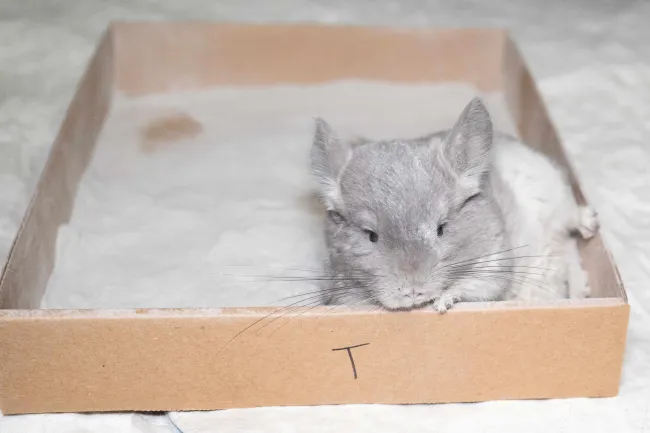
Meredith Lee/Humane World for Animals
Chinchillas are wild rodents who are endangered in their native mountainous habitats in South America due to pressures from hunting for fur, habitat destruction and the pet trade.
“In the U.S. and around the world, chinchillas are confined and bred for the pet and fur trades, systems that treat wild animals as commodities rather than as living beings with complex welfare needs,” said Laura Hagen, managing director of wildlife protection, Humane World for Animals. “The nearly 1,000 animals we rescued from these grim conditions are victims of an industry that puts profit first and leaves animals to suffer.”
Humane World for Animals is working with its network of shelter and rescue partners to arrange placement for the chinchillas. Caring families prepared to meet chinchillas’ unique, lifelong needs are encouraged to adopt from shelters or rescues. The organization urges the public to refrain from purchasing chinchillas from breeders or pet stores, which fuels an inherently cruel trade.
#
Media downloads:
Photos/b-roll of the chinchillas receiving care and treatment following their rescue.
Public record photos from USDA inspections of the facility
Donate to Humane World for Animals.
Frequently asked questions
-
Unlike dogs and cats, who became human companions through thousands of years of selective breeding and natural adaptation across many generations, chinchillas were taken from the wild and brought to the U.S. only in the early 20th century, and have generally not been selectively bred for human companionship.
-
Chinchillas are sensitive animals with specialized needs who are often mistakenly purchased as “starter pets” and may be frequently surrendered to shelters when families realize the complex care these animals require. Thoroughly research chinchillas’ species-specific needs beforehand to understand how to provide them with care.
-
Captive chinchillas can live up to 20 years and retain many of the same specialized needs as their counterparts who live in the wild. They require the companionship of others of the same species, opportunity for daily dust-bathing, and the ability to explore, exercise and hide.
We are working to place the chinchillas with our network of shelter and rescue partners, through which they will seek loving homes. Each shelter and rescue partner has their own criteria for adoption and fostering.
Many of the chinchillas have already been placed with shelter and rescue partners. Others remain in our care in a safe location receiving much-needed treatment and care. We keep the location of animals we are caring for confidential for the safety and security of the animals as well as that of our team on the ground.
This facility has a well-documented history of federal Animal Welfare Act violations in public USDA inspection records. The assistance of Humane World for Animals was requested by the U.S. Department of Justice.