In the Northern Hemisphere, spring is arriving—in some places more slowly than others. This is a critical time for animals, as a wide variety of species are going through big changes, migrating or building nests to give birth to their babies.
At the same time, sudden heat waves, powerful storms, flooding and high winds can destroy nests, displace animal families and make it difficult for animals to access food and clean water. Add to that the increasingly unpredictable and extreme spring weather, and the challenges wild animals face during their most vulnerable season can be particularly difficult. Here are some ways you can help your wild neighbors come through the season safely.
1. Check before you clean
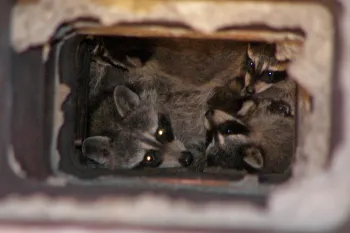
Spring cleanup often overlaps directly with wildlife preparing for the arrival of their young. This is a busy time of year for wild animals. Attics, chimneys, vents and brush piles make attractive nesting places for birds, squirrels and raccoons.
Wild animals who live in our neighborhoods do not discriminate between human-provided denning and nesting sites—such as attics and chimneys—and what we would consider more natural sites, such as a tree or ground burrow. Some wild animals are incredibly good at using the habitat that is available in urban and suburban areas, which can create conflict or cause challenges to infrastructure. So, it is especially important to check carefully for birds, squirrels and raccoons who may have been creating nests or dens before you trim trees, clean chimneys or seal entry points.
“Uncapped chimneys, attics and void spaces accessed through unprotected vents and roof lines are attractive places for raising young,” John Griffin, senior managing director of urban wildlife for Humane World for Animals, explains. When possible, he says, the most humane approach is to “wait it out” until babies mature and leave naturally rather than evicting families prematurely. “The animals will vacate when they are ready. Then, be sure to close up the entry point to prevent animals from intruding again.”
If waiting it out isn’t an option, there are still humane ways you can encourage the animals to leave, and people willing to help. See this resource for more specific information.
2. Know when to help and when to stay away
One of the most common spring mistakes is “rescuing” animals who don’t need help. Many species, such as deer, rabbits and birds, leave their young hidden and unattended for hours. Human intervention should be a last resort because wild parents provide the best care unless an animal is clearly injured or compromised.
Call a licensed wildlife rehabilitator if you see: an animal with labored breathing or visible wounds; fallen birds who are naked or have only a few feathers; or young wildlife seeming disoriented, crying and alone. Learn more here.
3. Provide water and shelter during extreme weather
There are things you can do to prevent young animals from getting hurt or ending up in danger. Extreme spring weather often disrupts wildlife’s access to safe water and cover, so you can help by providing shallow water dishes with stones or sticks in them so that small animals have a way to get in and out.
If you have a yard, there’s no need to hurry to clear it of untrimmed natural debris, such as leaf litter and branches. These can offer animals places to shelter from storms or extreme temperatures during the springtime.
Not only that: Insects live in hollow stalks and stems, and pruning these too early can kill future pollinators. This kind of material is also helpful for birds building nests. Trimming, pruning or removing trees during the spring can destroy active nests, harm nestlings and cause parents to abandon their young.
4. Prepare your yard for spring storms and flooding
As extreme spring storms become more frequent, you can help create safe spaces for displaced wildlife.
Before storms:
- Keep yard pathways open for fleeing animals.
- Remove hazards such as loose netting, twine, or debris.
- Secure trash and food sources to prevent attracting wild animals in search of food.
After storms:
- Drive slowly, as disoriented and displaced animals frequently cross roads.
- Report injured wildlife to wildlife rehabilitation professionals rather than attempting rescue, if you can.
- Watch for fallen nests or burrows filled with water. If you see animals in trouble or nests under water, you can call experts for guidance. Remember, untrained rescue attempts can worsen injuries or scatter family groups.
--
We work all over the world to help wildlife humanely coexist with human beings, and what’s so powerful about this work is that everyone can contribute to making the world a kinder place for wild species, even in small ways. At a time when animals are contending with an increasingly stressed environment and urban environments expanding into wild habitats, it’s heartening to think that we can all have a hand in helping wildlife thrive through the spring and into the summer.
Kitty Block is president and CEO of Humane World for Animals. Follow Kitty Block.