
Last year, researchers made a remarkable discovery. In areas of California with lots of hummingbird feeders, hummingbirds’ beaks had become longer and thinner in recent decades. The research, published in the journal Global Change Biology, suggests birds rapidly evolved to better access sugar water in feeders. Male birds also developed pointier beaks, likely to fight off competition at feeders.
“That’s an incredible thing, and it’s a very serious thing,” says John Griffin, senior managing director of urban wildlife at Humane World for Animals. “I think that should make people very, very cautious.” For example, he says, we don’t know if these birds would be less likely to survive if feeders weren’t available.
The study illustrates just one of the ways our backyard behaviors are shaping the lives of animals. “There is a functioning ecosystem outside our homes, and we have this enormously influential role,” Griffin says.
Enticing animals to our homes with feeders, baths and other attractants is a popular pastime around the world. In our era of rapid human expansion, giving animals food, water and shelter can seem like a simple way to help them survive a changing world. But our good deeds can sometimes cause unintended harm.
Bird feeders
clark42/Getty Images
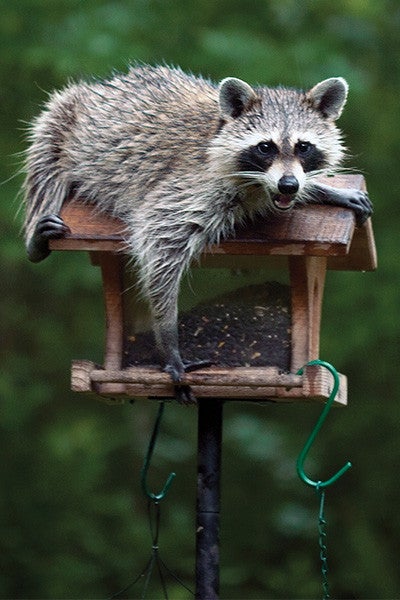
Some conservationists have been critical of bird feeders in recent decades. Because feeders encourage animals to congregate in a small area, infectious diseases are more likely to spread. Feeders set near windows can cause birds to fly into the glass. And the sugar water in hummingbird feeders can grow harmful bacteria and fungi when they’re not cleaned every few days.
There’s little research into how feeders impact the demographics of birds, but emerging evidence suggests feeders may cause dominant, feeder-loving species to grow in populations, who then take resources away from shyer species.
Plus, bird feeders can attract more animals than people intended. Bears often enter neighborhoods to raid feeders, which can lead to conflicts with people. Rodents are attracted to feeders too, and neighbors may use poisons to kill them.
Griffin doesn’t think bird feeders are all bad, though. If you have a feeder, he recommends keeping an eye out for warnings from local conservationists about when to take them down to stop the spread of diseases.
Another way to feed the birds? Try a native garden. “Having native sources of food and forage for birds is best,” Griffin says. Visit humaneworld.org/birdfood to learn more about bird feeding best practices.
Birdbaths
scooperdigital/Getty Images
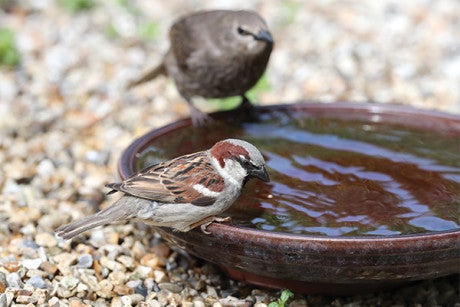
Most commercial birdbaths are on a pedestal, but many birds prefer baths close to the ground similar to how natural waterbodies are. Birds also want water that is easy to get in and out of, so avoid baths with deep basins and slick surfaces. Adding larger rocks in the bath gives birds a perching spot too.
To keep mosquitoes away and help prevent the spread of diseases, consider fountains or bubblers that keep the water moving. Similar to hummingbird feeders, the water in birdbaths can fester bacteria. Thankfully, they’re also easy to clean. Keep the birdbath filled with fresh water and disinfect it regularly to prevent the buildup of harmful bacteria and the spread of avian diseases. Scrub the top tray of the birdbath with a solution of 1 part bleach mixed with 9 parts water, rinse well and let dry. Skip commercial soaps and cleansers, as they can strip essential oils off birds’ feathers.
Birdhouses
Forrest Van Gundy/Getty Images
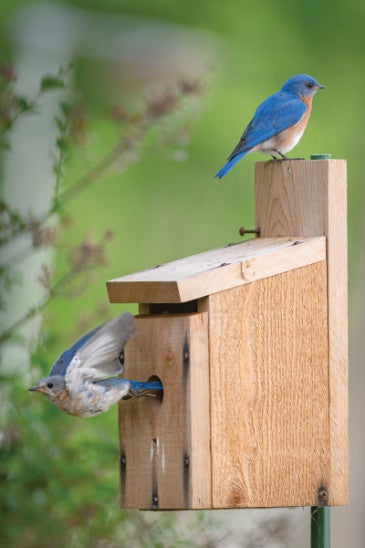
In suburbs and cities, humans have removed many of the old and decaying trees animals love to make homes in. Nesting boxes provide refuge for animals living in areas with few natural options.
Those considering adding a birdhouse to their outdoor space should think simple. Wood houses are best—the porous material allows heat and moisture to escape, and the muted colors protect birds from predators. Avoid perches, as they can help predators climb into the box. Because birdhouses are typically more exposed than natural nesting spots, add a predator guard to further protect the inhabitants.
Other decisions, such as how big the entrance hole should be and where to place the birdhouse, depend on which species are in your area. Visit nestwatch.org for in-depth resources on finding the right birdhouse.
Lori Thiele/
Bat boxes
Today, over half of North American bat species are at risk of extinction in the next 15 years. Using bat boxes can provide bats, particularly mothers, with a safe place to roost, and help keep mosquito populations in check.
But bat boxes can also be deadly when they get too hot. As climate change continues to warm our planet, Griffin says researchers are conducting more research into what the best practices for bat boxes should be. Currently, experts recommend using bat boxes made of wood, which helps regulate the internal temperature. Other factors, such the color of the box, sun exposure and ventilation, can impact a boxes’ temperature too. Using multiple bat boxes and boxes that have multiple chambers creates different microclimates bats can choose from.
After the box is set up, keep an eye out for bats sticking out of the bottom, flying during the day or fanning their wings, as these can be signs of heat stress.
Keep nesting materials natural
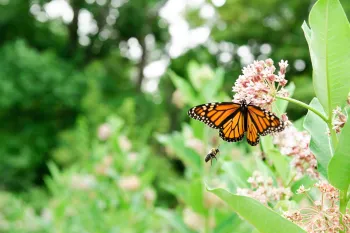
You may see information online encouraging use of various materials—such as pet fur, dryer lint and yarn—outside so birds can use them to make nests. It sounds like an eco-friendly win-win, but the truth is complicated. The best materials to give birds are those already in nature. Keep twigs, grass clippings from chemical-free lawns and leaves out to help birds build their nests.
Meredith Lee/Humane World for Animals
Learn how to support beneficial insects that pollinate plants in gardens, feed birds, help decompose organic matter, or eat parasites or other pests.
gjohnstonphoto/iStock.com
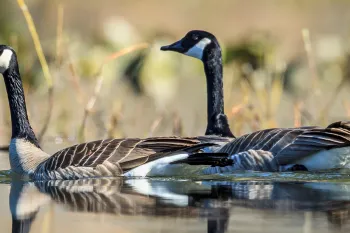
Killing geese is inhumane, ineffective and unnecessary. Learn better ways to keep flocks off your property or facility.
leekris/iStock.com
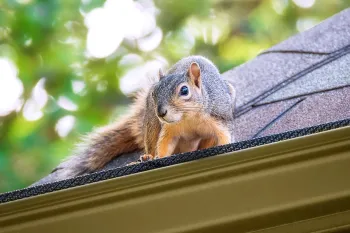
This season, combine gutter cleaning with inspections of your roof, attic, chimney and siding to keep wildlife from moving into your house.