

Our impact
Home to around 5% of the world’s plant and animal species, Costa Rica is one of the planet’s most biodiverse countries. Unfortunately, many of its animals face threats from human activity. Animal welfare issues in Costa Rica include human-wildlife interactions (especially through tourism), street dog and cat welfare, animal fighting, cruelty and neglect, wildlife trafficking and disasters.
Sofía Herra/Humane World for Animals
As a leader in environmental conservation, Costa Rica has taken significant steps to protect wild animals. It banned trophy hunting in 2012, and the country passed stronger regulations to combat wildlife trafficking and biodiversity loss in 2017. The same year, Costa Rica strengthened its animal cruelty laws, adding jail time for offenders and creating a national database to track animal welfare crimes.
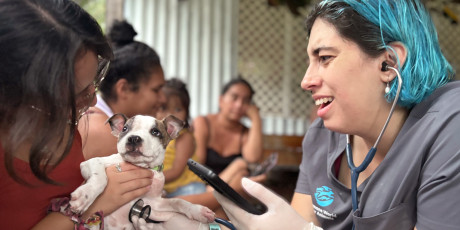
There is still much to be done. Humane World for Animals is working hard to help. Through our street dog welfare programs, we’re improving the lives of both free-roaming and owned dogs and cats in rural areas of the country.
We are partnering with local groups to support better standards for farmed animals. And we’re equipping law enforcement to tackle wildlife trafficking and animal cruelty through our training programs. We are there for animals who are suffering and we’re confronting the root causes of that suffering for a kinder tomorrow.
Meredith Lee/Humane World for Animals
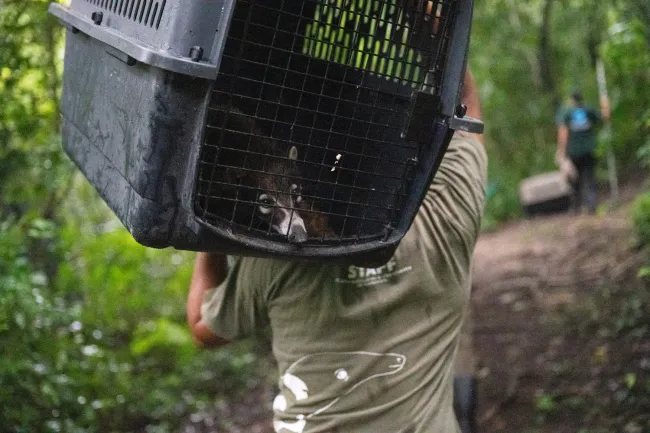
From wildlife trafficking to freedom
Our team in Costa Rica has partnered with ARCAS for nearly 20 years to rescue, rehabilitate and liberate Guatemala’s wildlife from illegal trafficking, pet trade and negative interactions with humans.
Latest news
SAN JOSÉ, Costa Rica - Para afrontar los desafíos cada vez más complejos del tráfico de vida silvestre en la región centroamericana, la organización de bienestar animal Humane World for Animals y el
En Costa Rica, se estima que más de 1.000 animales silvestres son extraídos ilegalmente de sus hábitats cada año para ser traficados hacia mercados internacionales, ser vendidos como mascotas o
SAN JOSÉ—Las autoridades costarricenses aprobaron un nuevo reglamento que regula los establecimientos de crianza y comercialización de perros y gatos en el país, cuya elaboración contó con la asesoría
Your gift can do so much for animals in need
Start saving lives by making a one-time gift today. You can also help animals all year long with a monthly contribution.
Photo by Meredith Lee/The HSUS/