ANNAPOLIS, Md.–Humane World for Animals is celebrating the implementation of Senate Bill 314, a bipartisan, unanimously passed Maryland law that took effect Oct. 1, making it easier for businesses to donate usable pet food and supplies to animal shelters, rescues, pet food pantries and other eligible organizations. The law is the first of its kind in the nation. The non-profit organization was formerly called the Humane Society of the United States.
Sponsored by state Sen. Jeff Waldstreicher during the 2026 legislative session, the bill provides civil liability protections for businesses that donate pet food and supplies in good faith for use or distribution by nonprofits or local government agencies, and for those who distribute the items on their behalf. It encourages donations of safe, usable products that might otherwise be discarded for reasons unrelated to safety. The legislation was championed by Humane World for Animals along with advocates, shelters and other animal welfare organizations across Maryland, including the Professional Animal Workers of Maryland, Maryland Votes for Animals, the Maryland SPCA, and Show Your Soft Side.
Every year, usable pet food and supplies are discarded while animal shelters, rescue groups and pet owners face growing financial pressure. By protecting donors acting in good faith, Maryland is helping connect surplus resources with the animals and families who need them most.
What this means in plain language
If a pet food manufacturer, distributor, retailer or pet supply store has products that are still safe and usable but can no longer be sold for business reasons, the company can now donate those items with greater confidence that it will be protected from liability when donating.
Examples include:
- Pet food approaching a "best by" date.
- Food or supplies in old packaging after a redesign.
- Overstocked or discontinued products.
- Products with damaged outer packaging that does not affect the safety of the contents.
- Other pet supplies that remain safe, functional and suitable for donation.
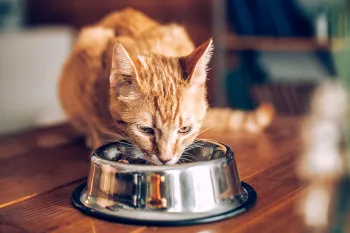
Instead of ending up in a landfill, these products can feed pets, support animal shelters, stock pet food pantries and help keep beloved animals in their homes.
A win for animals, families and businesses
The law also gives Maryland businesses a practical way to strengthen their community impact while reducing waste.
Shelters and rescues routinely spend significant portions of their budgets on food and supplies, while many pet owners struggle with rising costs. Donations from retailers, manufacturers and distributors can stretch limited nonprofit resources, reduce pet relinquishment and support families working to keep their animals.
Humane World for Animals encourages shelters, rescues, pet food pantries and animal service organizations to share information about the law with pet supply retailers and manufacturers and to explore donation partnerships.
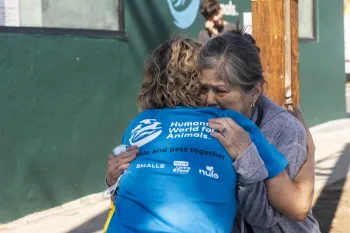
Humane World for Animals Maryland state director Stacey Volodin, "We are deeply grateful to Sally Tom, a retail employee who observed unnecessary waste, for bringing forward this thoughtful solution and to lawmakers for passing this law. The unanimous passage of SB 314 shows that reducing waste and helping animals is something everyone can support. This law gives businesses a way to turn surplus pet food and supplies into meaningful assistance for shelters, rescues and Maryland families with pets."
“Through Kibble Connection, we see every week what happens when pet food that might otherwise go unused is put directly into the hands of our community,” said Ryan Silva, outreach manager at the Maryland SPCA. “A donated bag of food can mean one less expense for a family already stretching their budget and one more reason a beloved pet can remain at home. SB 314 creates an incredible opportunity to strengthen that network across Maryland by making it easier for businesses to share usable food and supplies with organizations that can get them back into the community. Poverty is not a lack of trying; it is a lack of resources, and this law helps us make better use of the resources that are already here.”