
What is Amendment 83?
Amendment 83 is a proposed amendment to Colorado's constitution that will appear on the November 2026 Colorado ballot. It claims to protect Coloradans' right to hunt and fish, but hunting and fishing are already legal and protected under current state law. What it actually does is go much further: it declares hunting and fishing the "preferred means" of managing wildlife populations, and protects vague, undefined "traditional methods" for doing so. It also limits the state's ability to pass future wildlife regulations unless they meet a narrow, undefined legal standard.
The measure is part of a national agenda backed by wealthy out-of-state organizations, such as the International Order of T. Roosevelt, that have pushed nearly identical language in states across the country.
Why is Amendment 83 dangerous?
Because it's unnecessary and has much more sinister consequences than it appears to. Hunting and fishing aren't under threat in Colorado, so this amendment isn't solving a real problem. Instead, Amendment 83 locks a specific, industry-friendly policy into the constitution, where it becomes nearly impossible to fix or reverse, even if it leads to serious unintended consequences for wildlife.
Its vague language (especially the undefined phrase "traditional methods") could be used to challenge protections Colorado voters already fought for and won, like the 1996 state ban on cruel and dangerous leghold and body-gripping traps and snares on public land. And by making hunting the constitutionally "preferred" approach to wildlife management, it ties the hands of professional wildlife biologists and local governments and makes it dramatically harder for future voters to pass new protections for wildlife, including through the citizen ballot initiative process itself.
In short: Amendment 83 isn't about protecting hunting rights that already exist. It's about permanently limiting Coloradans' ability to protect wildlife going forward, placing politics above science.
How can I help stop Amendment 83?
In addition to voting NO on Amendment 83, talk to friends and family, share resources on social media, distribute flyers, or become an endorsing organization. Personal conversations are one of the most effective tools we have.
Michael-Tatman/iStock.com
Stay in the loop
Join our email list for the latest updates on our efforts to fight Amendment 83 and stay up to date on important animal news from around the world.
Additional information
As an amendment to Colorado’s constitution, Amendment 83 locks in a political agenda where it can't easily be undone. That distinction matters more than it might seem: laws can be adjusted if they cause unexpected harm, but constitutional amendments can't. Undoing this one would require another statewide vote with 55% approval. Proponents chose the constitution specifically because it's nearly impossible to reverse.
Much of the amendment's risk comes down to a single, deliberately vague phrase: "traditional methods." Proponents of similar measures elsewhere have openly admitted this language is designed to protect controversial and cruel practices (like using smelly food baits to lure animals like bears for an easier kill, using packs of hounds to chase wildlife, killing bears during springtime when they’re weak from hibernation, and painful steel-jawed leghold and body-gripping traps and snares that are also dangerous to pets) without ever having to name them directly. These are methods that Coloradans have already banned themselves. Amendment 83's undefined "traditional methods" language could be used in court to challenge that ban and reopen the door to these practices, which is precisely what its proponents want to do.
The amendment's reach goes well beyond trapping. By making hunting the constitutionally "preferred" method of wildlife management, it becomes much harder to pass future protections, like prohibiting other cruel practices or creating new safeguards for vulnerable species, because they'd now have to overcome a competing constitutional right.
It also threatens to take away voters' own voice in the process: Amendment 83 appears designed to block future citizen ballot measures on wildlife protection altogether. The use of direct democracy and the right to appeal to fellow voters on any matter of their own choosing is a long-held and valued part of Colorado’s history. It should be protected, not deliberately obstructed by special interests.
This isn't just about hunting and trapping; it’s about who gets to have a say in wildlife protection going forward. And it undercuts science-based wildlife management itself: right now, wildlife agencies rely on population data, biologist recommendations, and adaptive strategies to manage wildlife responsibly, but Amendment 83 would instead lock in one predetermined method, regardless of what the science says is best for a given species or situation.
It's no surprise, then, that opposition to Amendment 83 is broad and varied, including wildlife and conservation groups, veterinarians, and even many everyday hunters and anglers who don't think their rights need constitutional protection they've never lost.
Paid for by Humane World for Animals, Inc. Registered Agent: Aubyn Royall
Frequently asked questions
Amendment 83 is a proposed amendment to Colorado's constitution that will appear on the November 2026 Colorado ballot. It declares hunting and fishing the "preferred means" of managing wildlife populations, and limits the state's ability to pass future wildlife regulations unless they meet a narrow, undefined legal standard.
Hunting and fishing are already legal and protected under current Colorado state law. Amendment 83 isn't solving a real problem. Instead, it permanently limits Coloradans' ability to protect wildlife, placing politics above science and making it much harder to pass future protections for wildlife in Colorado.
Amendment 83 could make it much harder to pass future wildlife protections. By making hunting the constitutionally "preferred" method of wildlife management, future protections, including prohibiting cruel practices or creating new safeguards for vulnerable species in Colorado, would have to overcome a competing constitutional right.
Much of the amendment's risk comes down to a single, deliberately vague phrase: "traditional methods." Opponents argue that this undefined language could be used in court to challenge Colorado's ban on cruel leghold and body-gripping traps and snares and reopen the door to practices that Coloradans have already banned themselves.
Related
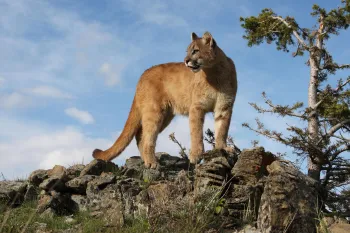
Wild animals face poaching, trophy hunting, and exploitation. We campaign worldwide to protect species, end cruelty, and promote coexistence.
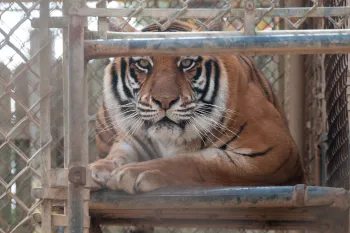
Wild animals suffer in captivity for roadside zoos, tourist selfies, and entertainment. Discover the truth behind animal exploitation and how you can help stop wildlife cruelty.
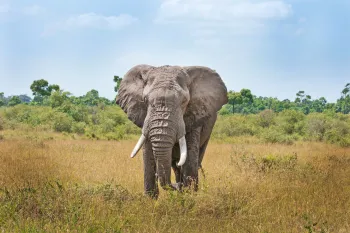
Thrill-seekers kill vital wildlife for trophies, display, photos, bragging rights and prizes, and pay big money to kill rare, often endangered, animals abroad and take home their body parts.