
Grassroots and policy

Nikki Botha/Nikki Botha Photography
Humane World for Animals South Africa is hosting nationwide screenings of the documentary “What Feeds Us,” which examines the shortcomings of our industrial food system in addressing food security and exposes the hidden social, environmental and animal welfare costs behind the pursuit of “cheap food.” By bringing animals into conversations about food justice, the film encourages critical reflection on our changing relationships with animals and how this disconnection is linked to human rights concerns, environmental degradation and broader systemic injustices.
The documentary invites audiences to reimagine a food system rooted in care, reciprocity and respect for people, animals and the natural environment. It reinforces our call for a return to traditional diets centred on indigenous plant species and community-based food systems that recognise animals as part of the ecosystems we depend on and must restore, rather than commodities to be exploited. By fostering these conversations, the screenings help connect grassroots advocacy with policy reform and build the public support needed to transform South Africa’s food system.
Pigs to Plants project
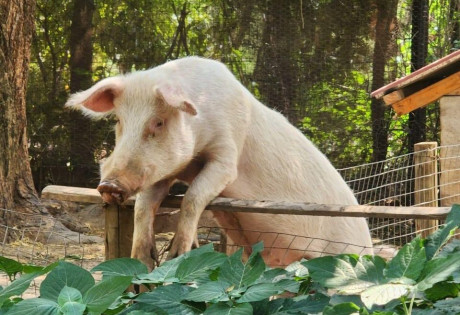
Shelley Drynan/Pig n Paws
Humane World for Animals recognised the transformative potential of the Pigs to Plants project in its early stages and has supported the development and sustainability of the pilot programme since 2022, including efforts to secure government support for its expansion. Developed and led by Greyton Farm Animal Sanctuary, the Pigs to Plants initiative works with informal pig farmers to transition from pig farming to plant-based food production, while helping to create sustainable markets for the crops they grow. The project demonstrates that it is possible to support livelihoods and food security without relying on animal exploitation.
This work is particularly significant given the scale of South Africa's informal pig sector, which is estimated to account for nearly half of the country's pig population. By providing farmers with viable alternative business models, the project addresses the root causes of animal suffering while supporting economic resilience and community development.
As the pilot programme has grown, it has attracted national and international attention as an innovative example of a just transition within the food system. The project is already improving the lives of thousands of animals each year by reducing the number of pigs subjected to poor welfare conditions, while empowering farmers to build livelihoods that are not dependent on cruelty.
Live animal export by sea
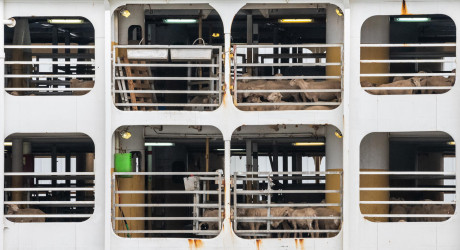
Jo-Anne McArthur/Israel Against Live Shipments/We Animals
Humane World for Animals has been at the forefront of efforts to challenge the live export of animals by sea for slaughter since 2019. Our position is clear: the inherent welfare risks associated with transport by sea cannot be adequately regulated or managed to prevent animal suffering.
This view is supported by concerns raised by the veterinary profession, including a public statement issued by the South African Veterinary Association, which recognised the significant welfare challenges associated with the trade and calls for a ban.
Over the past several years, we have engaged in advocacy, public awareness campaigns and regulatory processes aimed at ending the export of live animals for slaughter. Most recently, we participated in the public consultation process on South Africa's draft live export regulations. The Department of Agriculture is currently reviewing the submissions and proposed framework and we remain prepared to challenge the final regulations for their failure to adequately protect animals from suffering.
Related
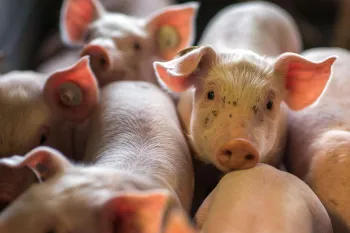
We're combining science, advocacy, and corporate engagement to persuade food companies, financial institutions, governments, and producers to improve the welfare of farmed animals and transition toward a more humane food system.
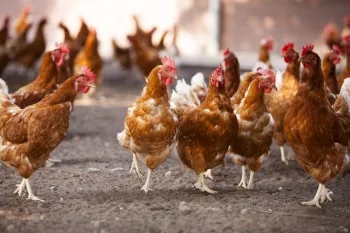
We help farmers transition to cage-free and crate-free housing systems, work with food companies to adopt and implement meaningful animal welfare policies and campaign to end abusive farming practices.
We advocate for better standards for farmed animal welfare, find humane solutions to human-wildlife conflicts and promote ethical tourism. We’re increasing access to care for street dogs, working to end cosmetics animal testing and helping animals in crisis.
You can help farm animals
Animals on factory farms never breathe fresh air or feel grass beneath their feet. Your generous gift will support our efforts to improve their lives and other animals in need.
S. Chakrabarti/