Dogs in the pet industry should not be forced to breed until they collapse. Dogs with hereditary disorders should not be used for breeding if there’s a strong chance of passing painful ailments on to future generations of pups. Dogs and puppies deserve space to run and play, even if they’re in commercial breeding programs. Yet there are no rules in the current U.S. Animal Welfare Act regulations to ensure that dogs have these basic protections.
Now, there is a new opportunity to help dogs. The U.S. Department of Agriculture, which enforces the Animal Welfare Act in puppy mills and other facilities regulated under that law, is considering strengthening standards of care for dogs in these places. And we can all do our part to shape the outcome.
You can signal your support for improvements by signing our action alert.
We will submit comments, and we encourage you to also be a part of this process. Comments on agency considerations are meaningful because the agency must read, consider and respond to substantive public input.
The successful protection of animals requires not only good laws but sensible regulatory measures and well-coordinated systems of oversight and enforcement. That’s why we have long advocated for stronger, better and more effective regulations to protect animals in puppy mills and other contexts alongside our work to push greater enforcement against violators who fail to meet even the basic standards of care that currently exist.
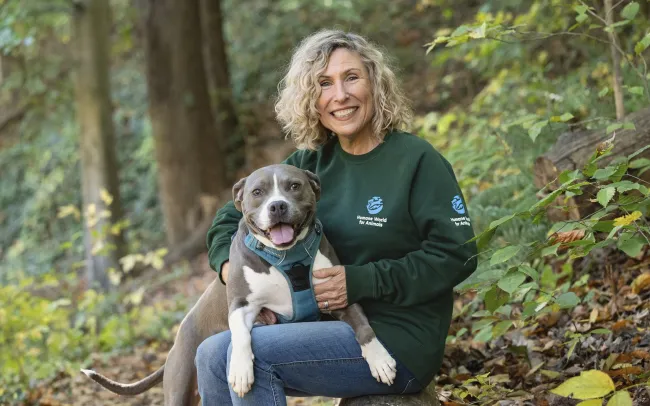
Michelle Riley/The HSUS
Help dogs in puppy mills
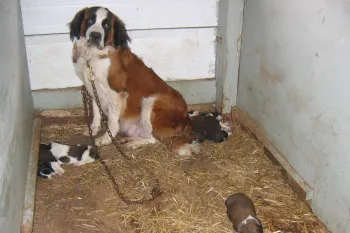
Imagine a dog forced to live day-to-day in a cold, barren cage without the opportunity to get outside and run, or a mother dog forced to breed repeatedly, just so someone can make a profit. We need you to stand with us to let the USDA know it’s past time to make the lives of these dogs better.
For years, if not decades, case after case has shown just how essential regulatory reform is. We’ve seen outrageous mistreatment of animals continue—as administrations have changed—perpetuating negative assessments of the current state of USDA inspection and enforcement work . That cruelty under the current system has continued for far too long (for one example, consider the case of the Envigo beagles, in which we played a significant role). This history likely led to the widely publicized joint commitment of Secretary of Agriculture Brooke Rollins and Attorney General Pam Bondi to better coordination between their agencies in addressing animal cruelty.
While we’re pleased that the DOJ and the USDA are committing to addressing a failed system, experience has taught us the hard lesson that inspections and enforcement efforts can only achieve so much when legal standards are inadequate. That’s why the prospect of a USDA plan to bring its regulations up a few notches could bring real change.
The federal regulatory framework for dog care in the U.S. is outdated, especially with respect to puppy mills. And there is a general and broad agreement among state regulators, local rescue groups, other non-profit organizations, scientists, researchers and veterinarians that these standards need to be updated.
Who would be against these reforms for dogs?
A few things bear emphasis as the agency charts a new course. The puppy mill industry and its supporters, such as the American Kennel Club, will probably invoke worn-out claims about bureaucracy, regulatory overreach and the industry’s own opinions of animals’ needs and what constitutes essential veterinary care.
They’re apt to argue, for example, that we should leave animal welfare compliance to the veterinarians employed or retained by commercial breeders. If they have veterinarians at all. This is a discredited and ineffective idea. Period.
They’re likely to decry the limitations of a “one-size-fits-all” approach. This argument is nearly always an attempt to torpedo proposals for reform altogether, or to water them down enough to render them ineffective. The very point of a federal rule like the one considered here is to set a clear and compassionate baseline of care and treatment and hold the regulated parties accountable.
They’ll be quick to deride virtually any standard promulgated as arbitrary or unnecessary. This will be a hard case to make, because the standards we’re going to support will be based in animal welfare science.
These standards are the right thing to do for dogs.
First, it is simply good judgment and sensible oversight to ensure that any mother dog in a commercial facility should have a veterinary evaluation before any renewed breeding attempt.
Second, it is reasonable to require that breeders screen all dogs for overall health, especially with respect to canine brucellosis, a contagious and zoonotic bacterial infection that affects the reproductive organs, and for heritable disorders and their terrible consequences down the line, as puppies are sent to puppy-selling pet stores with congenital conditions and compromised health.
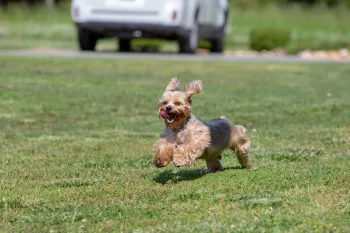
Finally, there are the sorts of concerns that anyone who has kept and cared for a dog can understand. Dogs need room to play, time outside of their enclosures to run and socialize, suitable housing that allows them to meet their most basic behavioral requirements and needs, and enrichment toys and activities to provide mental stimulation and enhance their overall health.
The USDA’s notice coincides with our renewed push for passage of the Puppy Protection Act, which would accomplish many of the same goals, including required veterinary care and routine health screenings; prohibitions against harmful breeding practices; higher standards for socialization and enrichment; and adequate space, temperature control and access to outdoor exercise.
In August of this year, we’ll mark the 60th anniversary of the passage of the Animal Welfare Act. The proper treatment of dogs was at the very heart of that compassionate legislation. Let’s make 2026 a year to remember, too, one in which the public, representatives in Congress and federal agencies came together for stronger protections for animals.
Kitty Block is president and CEO of Humane World for Animals. Follow Kitty Block. Sara Amundson is president of Humane World Action Fund.