
GLOBAL—Major tournaments in global sport bring people together, but at the same time they can also increase noise levels, consumerism and pressure on animals. With the “Fair play for animals” Football World Championship fan guide, Humane World for Animals (formerly called Humane Society International) offers fans 11 simple, practical tips to celebrate humanely and responsibly.
Sylvie Kremerskothen Gleason, country director at Humane World for Animals Germany, says: “As one of the largest animal protection organizations worldwide, we see how major global events can unintentionally affect animals, often in very everyday situations. With this guide for one of the world’s most popular competitions, and a game that features 11 people a side, we’re sharing 11 ‘good moves’ to help people make thoughtful choices during the Football World Championship and ensure animals remain protected, even in moments of celebration.”
Our top 11 good moves for animal welfare
Pregame: Protecting pets before kickoff
-
Warm‑up before kick‑off
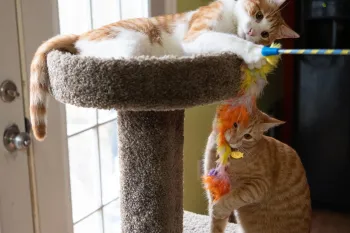
Just like players need a warm-up, pets benefit from physical and mental activity. Exercise and play help animals regulate stress and excitement. A longer walk, a play session with a ball or mental stimulation (e.g. a puzzle feeder with treats) can help dogs and cats release energy and support them in better coping with noisy, unusual situations.
-
Create a safe retreat environment
If you’re inviting friends to your home to watch a match, set up quiet, comfortable spaces where pets can retreat from noise, boisterous behavior, crowded rooms and constant cheering.
- Public viewing? Better not
Bars, fan zones and crowded living rooms in unfamiliar houses are often overwhelming for animals. Most pets are better off at home, so think about pet care arrangements or resolve to make your home the site of the action. -
Pets don’t know what overtime is
Extra time and penalty shoot‑outs may excite fans—but pets still need their routines. Regular feeding times, walks or outdoor access for animals should not be postponed because a match runs late. Stick to familiar schedules to help reduce stress, before, during and after a match.
- Don’t add extra stress
Avoid dressing pets in scarves, jerseys or other fan accessories not intended for pets. What’s fun for humans can be stressful—or even unsafe—for animals. - Know the warning signs of anxiety
Heavy panting, shaking, hiding, whining or restlessness can all signal stress or panic. Early recognition helps prevent escalation.
Dr. Katherine Polak, veterinarian and senior vice president, global programs and policy work, at Humane World for Animals, says: “Dogs and cats experience the world very differently from humans. Loud cheering, sudden movements, unfamiliar people, and changing routines activate their stress response very quickly. What humans perceive as joyful excitement can feel unpredictable and threatening to animals, particularly when noise levels rise and emotions escalate. Prolonged stress can lead to anxiety, panic reactions, or physical symptoms such as heavy panting, trembling or digestive problems. That’s why preparation, routine and the option to withdraw are so important—they help animals feel safe and reduce the risk of longer-term stress during major events like the Football World Championship.”
Match night menu: Eating with fair play
-
7. Keep the pitch clear
In football fever, snacks drop to the floor or the carpet easily. Chocolate, grapes, onions, alcohol or salty foods can be dangerous or toxic for pets. Be mindful and watch out for any food that falls to the ground or on a chair or table.
-
Offer plant-based options at the grill
Classic tournament snacks like sausages and burgers come with animal welfare costs. Swapping in a few plant-based options is an easy way to make your match day spread more animal-friendly. Plant-based sausages or burgers, BBQ tofu bites with ranch dressing and crudités, chipotle sweet potato skins or green chili jackfruit nachos are all satisfying, crowd-pleasing choices. Even small shifts like these can help reduce animal suffering. These plant-based snacks are easy to share, filling and perfect accompaniments for a match.
Final whistle: Impact beyond the match
-
Celebrate without alarming wildlife
Victory celebrations often don’t stop at the living‑room door. Loud cheering, car parades and car horns, firecrackers and unexpected and sudden night‑time noise and boisterousness can cause fear and distress for animals in the neighborhood and for wildlife nearby, such as hedgehogs, foxes and deer. Keeping celebrations controlled, avoiding unnecessary noise and limiting car parades help protect animals who have no way to retreat from sudden disturbance.
-
Jerseys yes—animal cruelty no
When buying fan gear, celebrate material innovation. Many jerseys, scarves and accessories are available using high-quality recycled or innovative materials that do not rely on animal-derived products. As consumers opt for these next-gen materials, brands and retailers are offering more of them. You can take a stand with every purchase you make by choosing these alternatives.
-
Pack away football nets and clean up after play
Major tournaments often inspire people to play more football at home, in parks or in public spaces, which can be great fun. However, football nets left behind can pose serious risks to wildlife such as foxes and deer, which may become entangled and severely injured while trying to escape. Always roll up and store nets safely after playing. At the same time, match‑related gatherings and celebrations can leave behind litter, especially food waste. This can attract wild animals and can lead them to associate humans with food and expose them to harmful or toxic items. Picking up litter and leftover food helps prevent wildlife from becoming habituated to human environments and reduces the risk of dangerous encounters in the future.
Extra time
Keep everybody safe from violence
Emotions can run high during major matches, particularly after disappointing results, and lead to physical violence. Animal abuse and interpersonal violence are closely linked1, and studies show that domestic violence often increases during sporting events2. Everyone in the family, including pets, should feel and be safe from abuse. Be ready to reduce and manage general stress and deescalate situations in your own home, be an ally by watching out for possible safety issues among your friends and their families. Looking out for each other can help prevent harm for people and animals after the final whistle.
Images of dogs and cats playing are available here.
#
1. https://journals.sagepub.com/doi/10.1177/0300985815626575
2. See for example: https://pmc.ncbi.nlm.nih.gov/articles/PMC3712874/; or https://www.sciencedirect.com/science/article/pii/S004727272300213X