Search
Found 672 results
Wildlife trade and exotic pets: How your travel choices impact animals
Learn how souvenirs, exotic pets and wildlife products fuel the global wildlife trade. Discover cruelty-free travel tips to protect endangered species and avoid supporting animal exploitation.
Monitoring, Evaluation and Impact Assessment
Our Monitoring, Evaluation and Impact Assessment work helps us design and customize humane, effective and sustainable solutions to address companion animal welfare issues at a local or national level.
Partner with us
Corporate partner info
About Us
For over 70 years, you’ve known us as the Humane Society of the United States and Humane Society International. Now, we’re uniting under Humane World for Animals to better reflect who we are, our bold work, and our global mission.
Shop our partners
Save animals when you support our corporate partners!
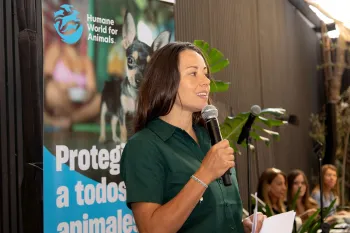
Action Alerts
Your actions will make a difference for all animals. Your messages make a difference, even if leaders don't want to listen. Here's why.
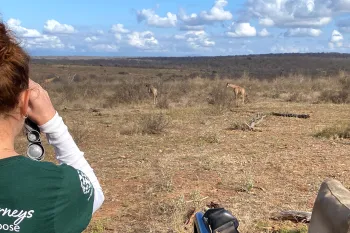
Humane Journeys
Humane Journeys offers authentic, cause-driven travel to unique destinations around the world. Each small group trip is guided by top program experts. Our journeys provide luxurious lodging, integrate low-impact tourism measures and showcase leading-edge animal welfare and conservation programs.

Events
Learn more about Humane World for Animals events
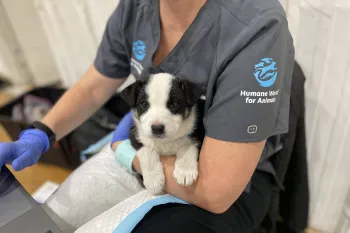
Volunteer
Interested in joining the fight to protect all animals? Become a volunteer today.
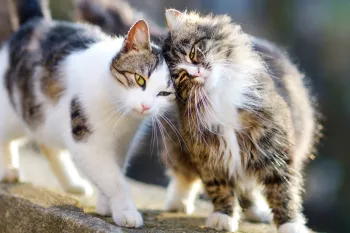
Animal Care Resources for Pets and Wildlife
Topics and articles to help you find answers to your pet care questions and ways to be an advocate for animals.
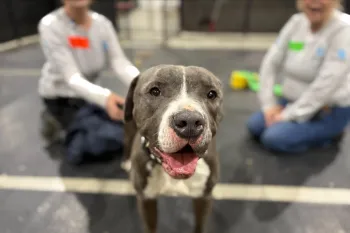
Volunteer with our Animal Rescue Team
Join Humane World for Animals as a volunteer responder. Help rescue animals from cruelty and disasters. Apply today and make a lifesaving impact.
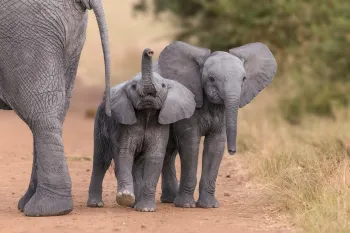
Match your gifts
Did you know your employer might double or even triple your donations to Humane World for Animals (formerly the Humane Society of the United States)?
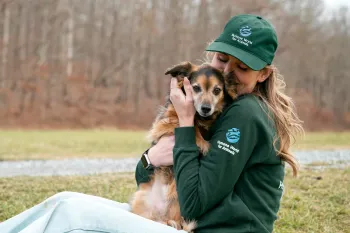
Planned Giving - Global
By planning a gift for Humane World for Animals, you can help end animal cruelty all over the world.
How we work with farmers and producers
Small-scale farmers and producers are among our biggest allies in driving for better animal welfare standards. Together, we work for healthier, kinder food systems for animals and people.
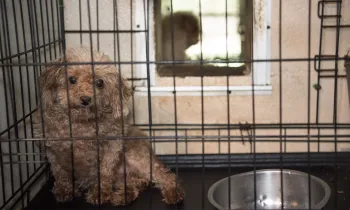
Find a puppy-friendly pet store near you
#block-hsuspetstoresblock { margin-top: -2rem; margin-bottom: 2rem; display: flex; flex-direction: column; justify-content: center; align-items: center;
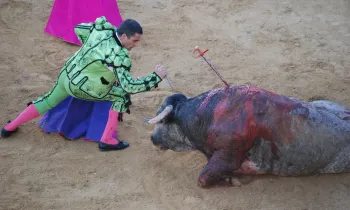
Bullfighting
Every year, approximately 180,000 bulls are killed in bullfights around the world, with many more killed
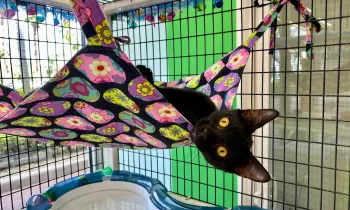
How to buy the perfect catio for your cat
Discover how to choose the ideal catio for your feline friend. Learn about types, sizes, locations, and other considerations to ensure a safe and enjoyable outdoor space for your cat.
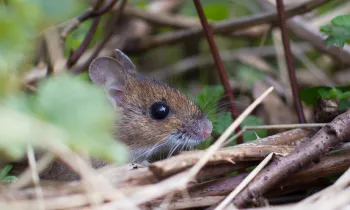
How to help an animal caught in a glue trap
It is very difficult for untrained individuals to release an animal from a glue board without running the risk of inflicting further injuries, or possibly being injured themselves.
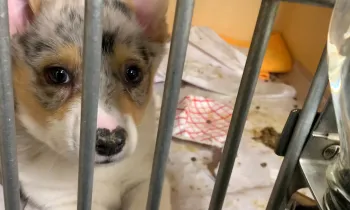
Beware of pet store puppy sales and internet scams
We all know the internet can be a great place to buy anything from books to rare gifts, but it's not where you should go to buy a new pet.

How to Donate Your Car to Charity
Do you have a car that you’d just like to go away without a hassle? Consider donating that vehicle to charity.