There is an outcome in an infamous animal cruelty case that drew international outrage. Two years ago, a Wyoming man ran down and injured a wolf with his snowmobile, muzzled and leashed her, and brought her into a local bar to show her off before killing her. Last week, Cody Roberts signed a plea agreement stating that he will plead guilty or no contest to felony cruelty to animals under Wyoming state law. His plea deal requires the payment of a $1,000 fine and 18 months’ probation, during which he is prohibited from hunting, fishing or consuming alcohol or entering bars, lounges or liquor stores. He must also complete a substance abuse evaluation, pay court costs and contribute $300 into a state crime victims fund.
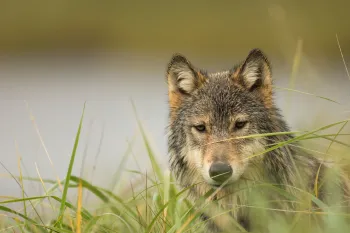
What that wolf, who has come to be known as Hope, suffered was an extreme case of animal cruelty, and we won’t soon forget the haunting details of her death. Yet this story need not end with a plea deal. Instead, it can and should add to the evidence that the way people think about wild animals must fundamentally and permanently change. And you can help create this brighter future for wolves.
We understand that there are many people who would have liked to see Cody Roberts sit in prison for a long, long time. Still, what the prosecution achieved in Sublette County speaks loudly, not just in Wyoming, but across the country. It makes a simple but strong point that a general anti-cruelty statute at the state level can be used to prosecute egregious cruelty to a wild animal.
This case also signals that we must institute safeguards through legal and policy frameworks that can eradicate the systemic injustices these animals continually face. And we must end hostility toward wildlife with a belief system based in compassion and coexistence. Otherwise, there will be another Cody Roberts, and another, and another.
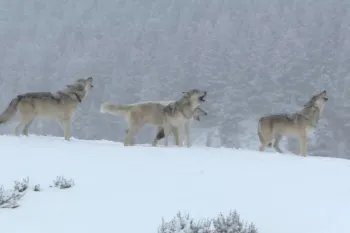
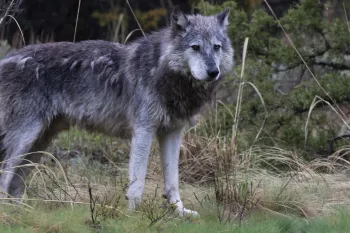
There is also a historical context to consider: Wolves are still recovering from the state-sponsored killing campaigns that drove them to near-extinction. And despite their ongoing vulnerability, there is an ongoing effort to weaken wolf protections at the federal level by the U.S. Fish and Wildlife Service and a few members of Congress. They are determined to delist wolves from the Endangered Species Act, despite the fact that the species is still recovering and most Americans want to see these animals protected.
You can be a part of advocating for a permanent change to protect wolves and other native wildlife in the U.S. by writing to your lawmakers about prioritizing their protection.
Harry Eggens/
Stand up for wolves
Gray wolves continue to face ongoing threats to their survival. Tell your legislators to protect wolves and the Endangered Species Act.
The most profound and positive shifts for animals can happen when outrage can be transformed into a call for more permanent change. We won’t forget Hope nor her unthinkable last moments, just as we won’t forget any of the other animals, whether their suffering made headlines or not. Our devotion to them—all of them—is lifelong, and there are millions of us.
Kitty Block is president and CEO of Humane World for Animals. Follow Kitty Block on X. Sara Amundson is president of Humane World Action Fund.