Just before 2025 began, Mexico took a historic step toward improving the lives of companion animals by enshrining animal protection in its constitution and mandating the creation of a general law on animal welfare.
As 2025 progressed, the European Union agreed on EU-wide requirements for the breeding and care of cats and dogs, the prohibition of practices that promote exaggerated physical features harmful to animals, the strengthening of actions against illegal trading and puppy mills, and the introduction of mandatory microchipping and registration of all dogs and cats to improve traceability.
Transformations in public policy on animals such as these show how human perceptions of animals are fundamentally changing. Dogs and cats are becoming recognized as community members deserving respect and care.

Frank Loftus/Humane World for Animals
In 2025, our work harnessed the momentum that comes from this change in perception all over the world. This is obviously evident in the massive paradigm shifts that promise to end the dog and cat meat industry regions across Asia—see our major wins against the dog and cat meat trade from 2025 in this post. But it is also clear in the elevation of the help and support for people so they can take care of their pets—see our major wins in access to care from 2025 in this post.
Here, we broaden the scope to highlight more of our 2025 wins for companion animals who live on the streets in communities all over the world:
Mexico
Following Mexico’s achievement in constitutional protections for companion animals, we’ve been working with government partners to draft the new General Law on Animal Welfare, expected to be published in 2026.
In March, Mexico City officially recognized community animals, their caregivers and the shared duty to protect them in the city’s Animal Welfare Law. In June, Chiapas became the final state in the country to begin implementing criminal penalties for companion animal abuse; all 32 states now enforce these legal protections for animals. This long-awaited reform marks a turning point for animal welfare in Mexico. We are proud to have played a key role in shaping this legislation.
United States
In addition to our work to elevate access to pet care and to stop puppy mills across the United States, we help companion animals by advocating for laws that will end other cruelties. This year, we successfully advocated for several laws to end cat declawing in Rhode Island, California and Massachusetts.
We also worked to officially end the use of gas chambers for the euthanasia of domestic animals in the U.S. The last two municipalities known to still use these types of gas chambers were located in Wyoming; with our partners in the state, we successfully persuaded local officials to finally end the practice. Over 13 years ago, Humane World for Animals launched our campaign to end the use of cruel gas chambers and this year we declared victory on this campaign.
India
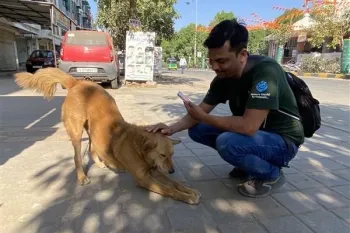
On the other side of the world, our team in India joined the nationwide efforts to fight for what’s right for community dogs in the Supreme Court. When there was a sudden threat to the humane progress we’ve made for street dogs, we rallied to ensure the country upheld the existing laws to sterilize, neuter, vaccinate and return community dogs to their original locations instead of sheltering or relocating them. And we succeeded: Judges halted a previous order for the rounding up and permanent sheltering of Delhi’s street dogs and reaffirmed India’s commitment to humane methods of managing street dog populations. Another order in November, focused on institutions across India, asking them to remove their dogs; Humane World for Animals India is continuing to work with communities and authorities to ensure effective, compassionate solutions.
Humane World for Animals
We know what’s right because we know what works: In India, in 2025 alone, our programs have sterilized more than 23,000 street dogs across four major cities. These initiatives have garnered widespread recognition for their effectiveness, high standards of animal welfare and transparency. Their exemplary practices are especially relevant as the issue of street dog management is currently under consideration by the Supreme Court, highlighting the need for evidence-based, humane solutions.
We also work to ensure humans and dogs safely coexist. This year, through more than 1,000 workshops and meetings, over 12,000 children and adults learned about how to behave around street dogs to prevent biting and chasing incidents, as well as the benefits of humane dog population management, rabies prevention, managing human-dog conflict, and responsible feeding practices.
This education outreach works to prevent conflict—and we are also there to help when conflict occurs. Our program has addressed and resolved over 8,000 public concerns about street dogs this year, and over 4,500 dogs were brought in by compassionate citizens and provided spay/neuter surgeries and vaccinations at our clinic.
Romania
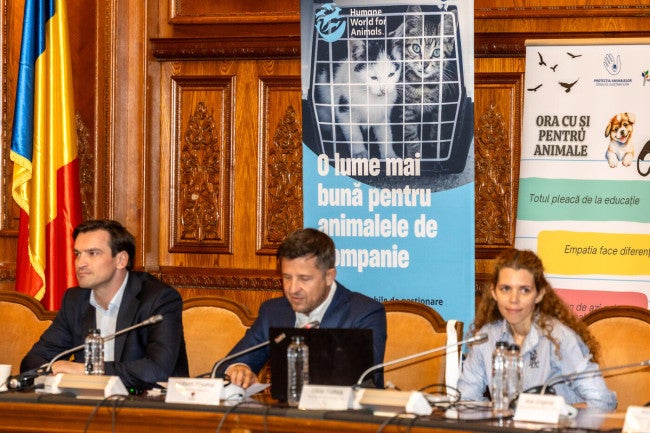
Our Romania team joined a legislative working group this year that introduced new laws to improve animal protection by recognizing animals as sentient beings with rights and freedoms, recognizing psychological suffering among animals and strengthening the effectiveness of the country’s Animal Protection Police. Our team also convened leaders and experts at Romania’s Palace of Parliament to share best practices in humane animal population management.
Dan Bigudiu/CJ Ilfov
Germany
We remain steadfast in our commitment to promoting spay and neuter as the most humane and scientifically validated approach for managing dog and cat populations, particularly those that are free roaming.
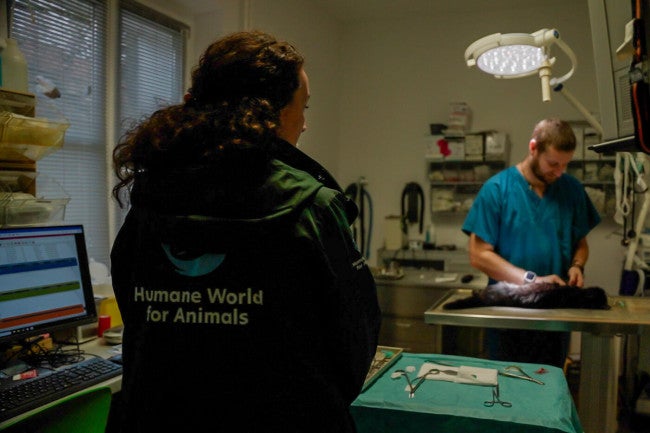
What we’re doing in Germany is a good example of this. Over the past years, the issue of street cats in Germany has intensified, with marked increases in stray cat populations observed in many parts of the country. In 2025, Humane World for Animals expanded its trap-neuter-return initiatives in Germany to curb street-cat population growth and improve welfare. The program reached five federal states, distributing 100 live traps and grants to local groups to strengthen local infrastructure, increase capacity and improve veterinary access.
In Schleswig-Holstein, we successfully helped to neuter, mark and register 3,672 cats in 2025, and established partnerships with five new local TNR groups in Essen, Detmold, Mainz, Würzburg and Schwielowsee. Additionally, we launched a nationwide veterinary survey to assess veterinarians’ roles, challenges, practices and training needs in TNR and street-cat management.
Jan Proppe/For Humane World for Animals
--
Together, we can ensure that every companion animal lives a healthy and full life, regardless of where they live. That’s a large part of what it means to create a more humane world. And this only happens through strong partnerships and engaged and passionate supporters who know a better world for animals is within reach.
Kitty Block is president and CEO of Humane World for Animals. Follow Kitty Block.