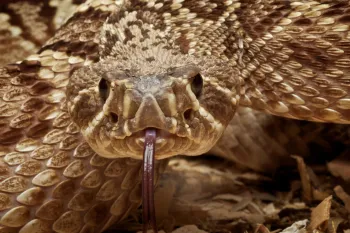
SAMARKAND, Uzbekistan—The exploitation of rattlesnakes for the pet trade, their parts and skins failed to get the attention it needed at the 20th Convention on International Trade in Endangered Species meeting as delegates rejected a proposal by range states to give greater protection to these species.
Countries voted against CITES Appendix II protections for rattlesnakes—the second highest level of protection—despite the fact that trade for parts, skins and the pet trade is threatening the welfare of these animals in staggeringly high numbers. In Mexico alone, an estimated 90,000 rattlesnakes are taken annually for illegal domestic and international trade. According to the Species Survival Network in the United States, from 2012-2024, 311,931 specimens were traded (for import or export) involving 32 species with 54 countries. Some 99% of international commercial trade is in parts and derivatives and 93% of specimens are wild caught.
Parts and derivatives of rattlesnake species are difficult if not impossible to identify at a species level, necessitating the listing of all rattlesnake species in both genera as look-alikes for the purposes of better protection.
Grettel Delgadillo, director of program and policy at Humane World for Animals Costa Rica, said: “Rattlesnakes not only have been persecuted by humans out of fear, but they are also coveted for their skin, meat, tails and as unusual pets, leading to a decline in their populations in all countries where they exist. Including all species of rattlesnake in Appendix II at CITES would have provided rattlesnakes some much-needed oversight and hopefully relief from this exploitation, in a precautionary approach to stop them slipping into decline. So, it’s extremely disappointing that CITES parties have failed to act to help these important reptiles.”
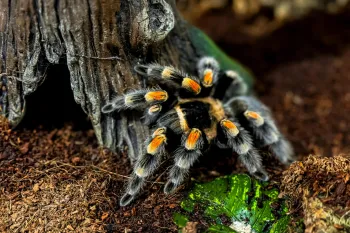
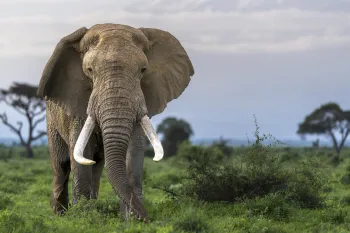
Other issues on the CITES agenda include proposals seeking to expand commercial trade in live elephants and their parts; to reopen international commercial ivory markets; reopen commercial trade in stockpiles of white and black rhino horn from Namibia; and protect several species of gecko, sloth and tarantula exploited for the pet trade.
Quick facts
- Proposal 25 was put forward by Bolivia and Mexico.
- Forty-nine of the 58 rattlesnake species are found in Mexico, more than half of them endemic. Within Mexico, 19 species are classified as Endangered and 17 as Threatened.
- Rattlesnakes receive their name from the rattle located at the end of their tails, which makes a loud rattling noise to deter predators.
- Rattlesnakes live in open, rocky areas, from the south of the United States to central Mexico. They are predators who feed on small vertebrates and, as such, help to control rodent populations.
- CITES offers three levels of protection for species affected by international trade:
- Appendix I is for species threatened with extinction because of trade, and more or less prevents commercial international trade except in exceptional circumstances.
- Appendix II allows trade under special conditions and is for species which may become threatened with extinction unless trade is subject to strict regulation. Appendix II controls include permit requirements and a science-based determination that the export will not negatively affect a species’ long-term survival in the wild (called a non-detriment finding).
- Appendix III is for species protected in at least one country, which has requested help from other CITES Parties to control trade in those species.