SAMARKAND, Uzbekistan—The 20th meeting of the Conference of the Parties to the Convention on International Trade in Endangered Species of Wild Fauna and Flora has brought renewed attention to South Africa’s iconic and critically endangered wildlife species, including bontebok and African lions. The outcomes of the meeting reflect both positive progress and ongoing challenges in conservation, ecological sustainable use and tourism, enforcement of relevant laws and international cooperation.
South Africa’s bontebok population was reduced to just 17 individuals in the 1930s. Through concerted conservation efforts, the bontebok population has now increased but still there are fewer than 2,500 animals within the species’ natural distribution range, leaving it vulnerable to extinction. In a disastrous turn of events that could prove fatal for the bontebok, Parties at the CoP20 CITES meeting have decided to completely remove all protections from the species. This extremely risky decision was based on game breeders' petitions to consider captive-bred bontebok, who exist mainly on private land in non-native areas, as a functional part of the bontebok population. The 2016 South African Red List, much like the International Union for Conservation of Nature Global Red List assessment, excludes introduced or non-native areas from its primary assessments because the focus on the conservation status of a species is within its natural, historical range.
Audrey Delsink, senior director of wildlife, Humane World for Animals South Africa, said: “The lack of CITES trade protections for the bontebok will threaten years of careful protection, threatening wild populations with hybridization and removing careful regulatory controls to preserve the wild population’s fragile genetics.”
Key facts
- The South African Red list assessment adds that wild bontebok populations are threatened by hybridization which is “a significant threat to the continued existence of the two subspecies.” Furthermore, “There is a concern that there is a net flow of individuals away from the natural range” and that “harvest/hunt/export is not regulated but exempted from separate applications… on private properties.”
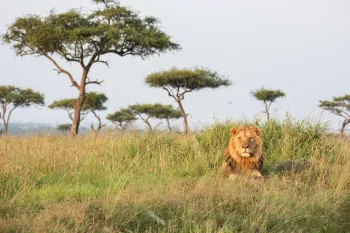
Although not a proposal for a CITES Appendix listing, Working Document 80 presented at CITES provided the executive summary of a comparative study of African lion population trends and conservation and management practices as an Information document (CoP20 Info.9.) inviting Parties to adopt renewed Decisions to the Secretariat and Convention on the Conservation of Migratory Species of Wild Animals to undertake a similar comparative population study and support technical and expertise development in African lion conservation and management. Thankfully, Parties voted to accept the Working Document with minor changes.
‘‘We welcome the adoption of Working Document 80 with the proposed amendments calling for the Parties to undertake national lion population monitoring for drafting of accurate non-detriment findings, and maintaining that Parties increase enforcement efforts to detect illegal, unreported or misreported trade in specimens of African lion and other big cats.” said Dr. Audrey Delsink. “The current assessment of African lion populations is incomplete in its overview of lion population trends, so we are pleased that these gaps were highlighted. We remain concerned that the assessment is biased toward trophy hunting as current authors are not independent and oppose stricter measures. This is crucial for determining the future international legal frameworks and conservation strategies for the African lion.’’
Key facts
- African lions are listed as ‘‘vulnerable’’ on the IUCN Red List, with populations declining in most regions.
- Key threats include habitat encroachment, prey depletion, retaliatory killings, and illegal trade.
- International trade includes bones, claws, skulls, teeth, and other specimens—requiring careful regulation to avoid laundering illegally sourced items.
- Captive lion breeding policies are currently under scrutiny in South Africa, as the current government has undertaken to close the captive lion breeding industry and has recently issued a zero-lion bone quota.
The CoP20 outcomes reveal a complex mix of progress and persistent challenges. While species such as the bontebok demonstrate how science-based management within natural home ranges is essential to maintain genetic purity and protect against hybridization, others like the lion remain under intense pressure from illegal trade, habitat loss and resource conflict.