
Fires in Victoria, Australia are compounding an already critical situation for wildlife, particularly grey-headed flying foxes, following a mass starvation event earlier this year that resulted in a high intake of juveniles into care. This situation was further exacerbated by extreme heatwaves, during which Melbourne recorded temperatures among the highest globally, triggering a severe flying fox heat stress event. At least one wildlife rehabilitation facility has been destroyed. Other carers have evacuated or are preparing to do so, placing enormous strain on an already overwhelmed care network.
At the same time, approximately 245,000 acres have burnt across the Western Cape destroying habitat, farms and infrastructure. Wildlife, farm and domestic animals are all being affected. Our partners at Panthera Africa Big Cat Sanctuary have suffered extensive losses to infrastructure and camps, with 26 big cats evacuated due to immediate threat or imminent danger as the fires engulfed the Sanctuary. Fires in the immediate area and across the province continue to flare up and spread due to dense vegetation, water shortages, limited access and increasing winds.
Panthera Africa
Humane World for Animals Australia
Evan Quartermain/Humane World for Animals
Updates
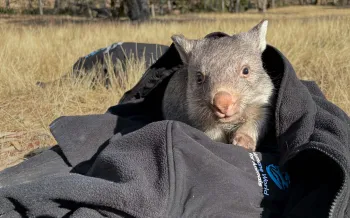
January 31, 2026 (Australia): At Animal Abbey, we delivered food for wombats, bottle fed them and mucked out their pens. At Red Box Wildlife, we had clinic day, which is when the clinic opens up with an on-site vet for free services. Three surgeries were done, including one toe removal on a burn victim. We attended a total of seven wildlife burn victims today, conducting check ups and doing bandage changes on them. We also met other carers who have burnt animals and gave them some supplies. Finally, we transported a critically injured flying fox to Werribee Zoo and a wombat to Animal Abbey for specialist care. The wombat was diagnosed with smoke inhalation issues, possibly pneumonia, from having been so close to the fires.
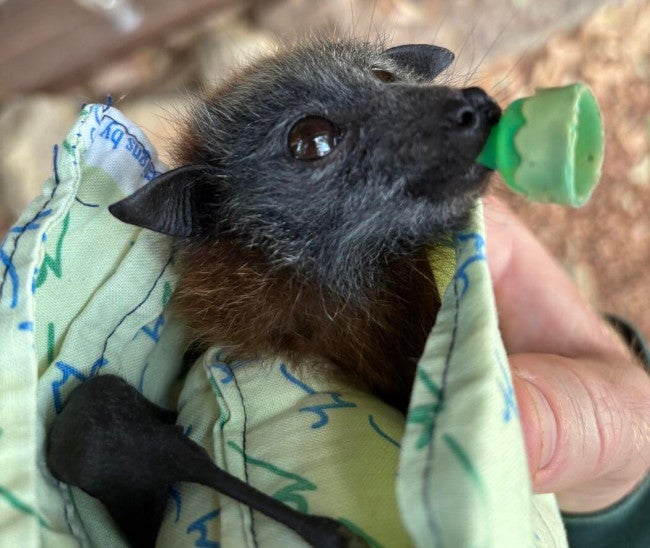
January 30, 2026 (Australia): At Animal Abbey, our team prepared milk for juvenile wombats and bottle fed them throughout the day, supervised their play time and cleaned their enclosures. The flying fox aviary was mucked out, drinking bottles replenished, and fruit prepared and provided. Due to extreme heat, we set up misting fans to prevent potentially fatal heat stress.
January 29, 2026 (Australia): The team spent the day at Red Box Wildlife Shelter mucking out kangaroo enclosures and recovery huts and replacing food and bedding, assisting with various operational tasks, and thoroughly cleaning the veterinary clinic in preparation for their monthly open clinic day which caters to wildlife in care across northern Victoria.
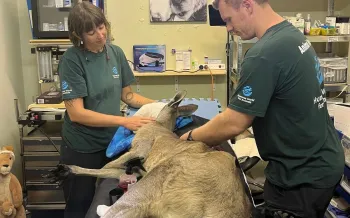
January 28, 2026 (Australia): Today, we assisted Red Box Wildlife Shelter with a variety of tasks from yard cleanup and recovery cabin cleanouts to the restocking of medical supply deliveries, before moving into bandage changes for five kangaroos with burns injuries. Wounds are typically healing well, though remain extremely painful for the animals who are still in their early stages of recovery.
At Animal Abbey, we cleaned out wombat and flying fox enclosures, prepared storage rooms for an expected influx of bats, bottle fed and prepared more milk for orphaned wombats and set up misters for flying foxes, as well as replenishing their water and food.
January 27, 2026 (Australia): Four members of the Australian disaster response team landed in Victoria to continue our on-ground support today. With temperatures exceeding 45 degrees Celsius (113 F) in many parts of the state, flying fox carers in particular were on high alert. After traveling from Sydney, the team headed to Animal Abbey wildlife shelter and assisted with moving orphaned wombats out of the heat and taking care of their feeds. We also prepared fruit and formula for flying foxes in care and ensured their misting fans were filled to help them stay out of dangerous heat stress temperatures. Many bat deaths were reported from nearby colonies and more orphans are expected to come into care imminently.
January 21, 2026 (Australia): Yesterday we did bandage changes and had a complicated case where a mother kangaroo wasn't able to give enough milk to her dependent joey, who showed extreme signs of malnourishment, including dizziness, lethargy, dehydration and weight loss. He is now in care with three orphans.
Every day, at least one new animal burn victim has come in for treatment, and carers continue to work around the clock to provide adequate care. With injuries going untreated in wildlife for this long, we are now dealing with a high risk of infection.
January 20, 2026 (Australia): There are still many fire-affected animals on the ground with calls still coming in from members of the public with compromised kangaroo sightings, significantly mums. Our team went out today and conducted searches, managing to dart and capture three kangaroos. Mums appear to be far worse affected than babies, even out of pouch joeys who mums may be letting back into pouches for protection.
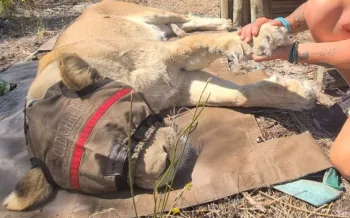
January 20, 2026 (South Africa): Lionesses Jade and Zakara are settling in really well and enjoying their new enclosure. Another lioness and tiger who were subsequently moved to Dr. Caldwell’s facility due to secondary injuries continue to receive treatment. Lions Foundation has agreed to take them into their care, too, as soon as Dr. Caldwell gives the all-clear.
January 18, 2026 (Australia): Our team has continued supporting emergency affected shelters, including tending to burn victims and sorting bushfire medical supplies, delivering fruit for emergency affected flying foxes, and searching for injured kangaroos and other wildlife.
January 16, 2025 (South Africa): After careful monitoring of Jade and Zakara at their management camp at Lions Foundation South Africa, the expert team have opened the management camp to the stunning adjoining 1 ha camp. The two lionesses calmly and happily entered and explored their new habitat and spent the day relaxing under the bushveld trees.
January 15, 2026 (Australia): Our two responders were invited onto a private property with a number of kangaroos and swamp wallabies reported with injuries, providing field rescue support and helping to identify and monitor animals in need. At one point, a hail storm hit the property, with the associated wind change requiring evacuation of the area. Later, both headed back to Animal Abbey, where they assisted with wombat enclosure groundwork, washing, fruit chopping, orphaned bat and wombat feeds, and stocking of a large flying fox enclosure with 35 bats with food and foliage for the night.
January 14, 2026 (Australia): Two members of our staff deployed to Castle Reigh, close to two other local facilities we are coordinating with on this response. There, they helped the owner of Animal Abbey move 35 grey-headed flying foxes and four bare-nosed wombats to a neighboring property while tree works were done around facilities to reduce fire risk. We bottle-fed several wombats and two orphaned flying fox pups and assisted with cleaning cages, washing bottles and making up formula. Later, we transported some kangaroos with burns who needed to be darted and taken to a shelter for assessment and treatment.
January 12, 2026 (South Africa): On Friday, January 9, our wildlife director called Panthera Africa sanctuary after being alerted by the local fire network that it was in danger. They expressed the need for emergency evacuation and we remotely facilitated the approval and logistics process with the executive director of Humane World for Animals South Africa, conservation authorities and transport operators. Two lionesses, Jade and Zakara, were carefully immobilized by big cat specialist Dr. Peter Caldwell and transported by van Heerdens Wildlife Solutions. They arrived safely at Lions Foundation on Sunday, January 11.
Evan Quartermain/Humane World for Animals Australia
Rheanon Nichols/Humane World for Animals
Emergency response in Australia and South Africa
As fire authorities continue to battle uncontrolled blazes, we’ll be helping animals however we can. Please rush an emergency donation now to support our critical emergency rescue and response work.
Many wildlife carers were already at capacity, yet they are still on the front lines to help animals suffering during these terrible events—they really do need all the help they can get and we are proud to be supporting them and the animals who need our attention.
Humane World for Animals Australia’s programs director, Evan Quartermain
Conditions on-scene
Australia
- Between the starvation event and the subsequent heatwaves, an estimated one-third of the regional flying fox population has been lost. This represents the most significant mass mortality event since the Black Summer bushfires in 2020.
- The current fires are now impacting remaining food sources and release sites, leaving many animals already in care with no viable options for release.
- Volunteer capacity is significantly reduced, as many usual responders are prioritizing safety preparations for their own homes. We remain in close contact with wildlife carers to monitor impacts, intake capacity, and immediate support needs.
South Africa
- The Western Cape government has spent ZAR15million on aerial deployment alone to try and stop the fires. This excludes private and Fire Protection Association contributions.
- Fires across the province continue, with approximately 200,000 acres already burnt. The Western Cape government is calling for a Provincial Disaster to be declared due to the extent of the fires, water shortages, and the continued fires. This follows a National Disaster declared after the severe rain and flooding in the northern parts of South Africa and some of its neighbors this week.
- In addition to the gale force winds and high temperatures experienced, it has been confirmed that several fires were deliberately started by arsonists and investigations are underway.
FAQs
In South Africa following the fires, Humane World for Animals came to the assistance of the Panthera Africa sanctuary by facilitating the approvals and transport logistics needed for the emergency evacuation of two lionesses, Jade and Zakara, to the safety of Lions Foundation. In Australia, our responders deployed to fire-affected areas at the request of wildlife sanctuaries, to support them in emergency care of animals burned, displaced or health compromised by the fires, as well as in search and rescue for survivors in the wilderness. Our teams continue to provide this vital support for animal carers coping with an influx of animals in desperate need.
When disaster strikes, our responders are prepared to assist in a variety of ways, depending on the local needs and capacity. Our response can include search and rescue, establishing emergency shelters, supplementing local animal shelter operations, operating animal supply distribution points, funding much-needed veterinary care for impacted communities, and more. We tailor our support to the express identified needs on the ground so that our team and resources can add genuine value and plug gaps.
For an international organization like ours to assist in a disaster area, we are required to wait for an official request for help, which typically isn’t made until needs are assessed after the initial impact. In the meantime, we actively reached out to agencies and partners in the projected path of the fires in both countries to gain an understanding of their anticipated impact and needs. Additionally, if we were to place additional people in the path of a disaster, there is a risk of our own responders needing rescue and thus diverting attention away from the existing priority emergency and medical services needs. Finally, fires may deviate from the projected path or have unanticipated impacts outside of the projected path, so we can typically be most helpful by standing by until initial needs are assessed so we can ensure we are sending our team to help where their assistance is truly needed the most. A number of grants were provided to affected wildlife shelters in Australia in the months leading up to the current disaster, ensuring life-saving medications and equipment were on hand.
Please check with impacted shelters and rescues before sending supplies to make sure what you want to send is actually needed and helpful.
In order for an international organization like ours to assist in a disaster area, there has to be an official request from the appropriate agency or emergency official. South Africa and Australia both have a protocol for how to make these requests during a disaster, and if a group or agency is in need of help, we ask that they contact their local emergency officials, who—if assistance is needed—will get the request to us. These protocols are in place to ensure there is not chaos created by outside groups coming in unrequested, and to ensure the assistance is sent to where it is needed most.
I need help evacuating pets or other animals from my shelter, sanctuary or residence. Where do I start? If you need assistance evacuating, please contact your local emergency manager. You can find that information here:
Beyond trained responders who were directly contacted, it is imperative that no one goes to the area on their own or self-deploys. We won't be able to use volunteers who haven't gone through official training. If people who self-deploy come and get stranded or injured, emergency response attention must then add them to the long list of rescues and divert attention away from the existing priority rescue work. It is simply too dangerous and may result in injured animals not going through the official systems to ensure they are treated appropriately for their needs. Our response team is made up of full-time staff and reserve staff who work on a contract basis. Team members have a variety of backgrounds, including backgrounds in local animal services.
One-time gifts made through this form support Humane World for Animals’ Emergency Animal Relief Fund. Your gift today will ensure that our team can continue to answer the call during times of emergency wherever, whenever and however animals need us and that we can support communities and their animals that experience disasters. For full details on how one-time donations will be used, please see this page on our website. Monthly donations, as indicated on the page where people submit their donation, will fund our lifesaving work for all animals.
More about animal disaster relief
Whether it’s a fire, cruelty or neglect case, or animal fighting operation, we respond wherever animals need help.
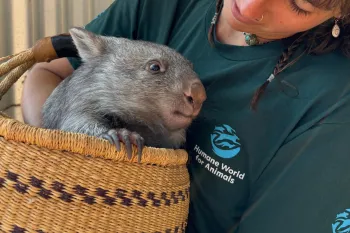
Humane World for Animals Australia has deployed a team to the state of Victoria to assist local wildlife carers inundated with animals following heatwaves and bushfires in recent weeks.
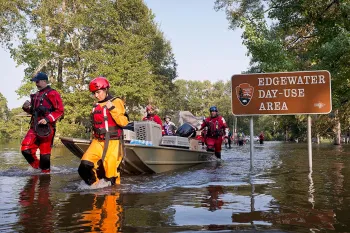
Support rapid-response animal rescue missions around the globe. Discover how Humane World for Animals, a leading animal rescue organization, protects animals from cruelty, neglect and disasters.
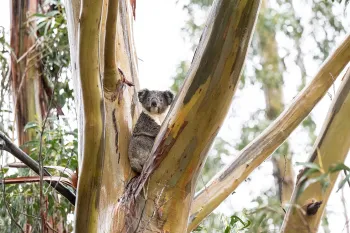
Five years after the devastating Black Summer rescue, Humane World for Animals staff returned to Kangaroo Island to reflect, observe and learn how to provide more support.
Donate today to our Emergency Animal Relief Fund!
We never know where disasters will strike or when animals may be in need of urgent rescue, but we know we must be ready. Your support makes our preparedness, rescue, care and relief work possible.
Meredith Lee/Humane World for Animals