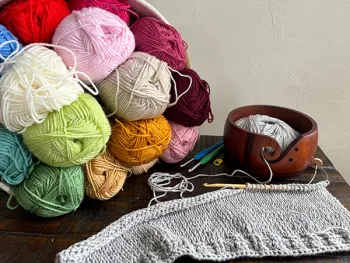
I got into crafting as many people do. I saw a blanket and became obsessed with it. Colorful, intricate and entirely handmade, the floral pattern called to me. I just had to have one.
Thus began my foray into crochet. I soon found myself hooked (pun intended!). But as I delved deeper, I learned more about fiber arts’ impact—on people, on our planet and on animals. For as long as crochet has been practiced, sheep’s wool has been at its center. And we’ve built a reliance that starts with mistreatment. Live lamb cutting, or mulesing, remains one of the most prominent cruelties sheep endure. But crafters like you and me can help.
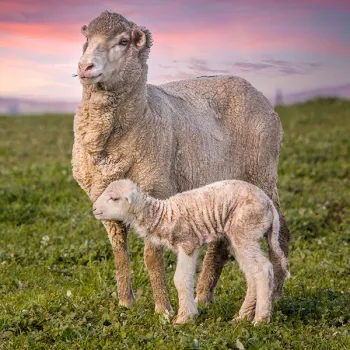
An estimated 10 million
Australian lambs experience live lamb cutting every year. Most of these lambs have their tails docked at the same time and receive no pain relief before or during.
The cruel truth behind merino wool
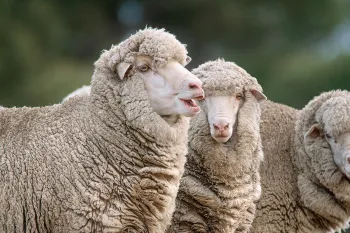
Most wool used for apparel today comes from Australia, one of the world’s leading wool producers. And most Australian sheep are merinos. Since the 1880s, Australian farmers have bred sheep to have excessive amounts of skin “in the belief that more wool could be harvested from them,” says Georgie Dolphin, our program manager of animal welfare in Australia. “The problem is that from birth, these wrinkly merinos have a huge disadvantage because flies find them particularly attractive.”
Blowflies are drawn to woolly wrinkles of skin, particularly around a sheep’s bottom, and will lay their eggs in skin folds, leading to a brutal condition called flystrike. This occurs when the eggs hatch and maggots feed on the sheep’s flesh.
To prevent flystrike, Australian farmers have relied on live lamb cutting since the 1920s. This widespread practice involves mutilating lambs, usually around 2 to 12 weeks old, while they’re restrained on their backs in a metal cradle. Mulesing shears are then used to cut away folds of skin from either side of their tails. Those wounds later develop into smooth scar tissue. Because the scar is resistant to flies, wool producers claim it’s effective protection.
Catherine Clark/Humane World for Animals
“The cutting away of the skin from the rear end is one of the most extreme and invasive mutilations currently permitted in Australian agriculture,” Dolphin says. Lambs can suffer during and long after being cut; the open wounds can take weeks to heal, leaving sheep vulnerable to infection.
In most parts of Australia, wool producers aren’t required to provide pain relief to their animals, Dolphin adds. While some farmers apply a pain-relief spray after, the vast majority of lambs receive nothing before being cut.
Although Australian wool industry leaders promised to phase out live lamb cutting by 2010, the practice continues. According to our 2024 Broken Promise report, compiled with partner organizations, an estimated 140 million lambs have been subjected to live lamb cutting since 2010.
Fortunately, there’s a way for producers to protect merinos without maiming them. Wool growers could breed sheep without excessive wrinkles, Dolphin says. These smooth-skinned sheep don’t need to be mutilated at all and their entire bodies—not just their bottoms—are protected. While some Australian farmers have started breeding flystrike-resistant sheep, most remain stuck in their ways.
“The good news is that everyone can help,” Dolphin says. “Consumer demands are really helping to drive the increasing shift by retailers and brands to update their policies and commit to phase [live lamb cut wool] out.”
Our Australia team has been campaigning to end this cruelty and for higher animal welfare standards for sheep for years. Dolphin says we’ll maintain pressure until there’s legislation to phase it out entirely.

Catherine Clark/Humane World for Animals
What’s a crafter to do?
By thinking more about the materials we buy, we can still craft and still make beautiful things while also using our power to help animals everywhere.
Speak out. All of us can help make these efforts more effective by demanding change from farmers, governments, brands and retailers. Sign this petition to call on Australia’s agriculture ministers to phase out the cruel practice of live lamb cutting.
Get creative. It can be tempting to buy new material for every pattern. Instead, start with your stash, or “frog” (unravel) an unfinished or no-longer-beloved project. You can even make your own yarn out of T-shirts, towels or—if you’re feeling adventurous—your pet’s shedded fur.
Shop with care. Use our Better Wool Guide to find retailers and brands that don’t buy live-cut wool or have committed to phasing it out. Also, look for certifications that prohibit live cutting such as the Responsible Wool Standard, ZQ and NATIVA. And remember, only 25% of Australian merino wool comes from sheep who haven’t been live-cut, says Dolphin. So, if you see a wool product that isn’t clearly labeled as “mulesing free,” it is most likely from sheep who have been cut.
Opt for plant-based alternatives. “If in doubt, you’re safer to avoid [wool] altogether,” Dolphin says. Try responsibly sourced cotton, Tencel, bamboo or hemp. Check out our Humane Shopping Guide to learn more about compassionate fashion choices.
Patrik Stedrak/Getty Images
End live lamb cutting
Live lamb cutting, also known as mulesing, is a crude surgical procedure performed on more than 10 million Australian lambs every year. Humane World for Animals Australia is working to end this cruelty.
Related stories
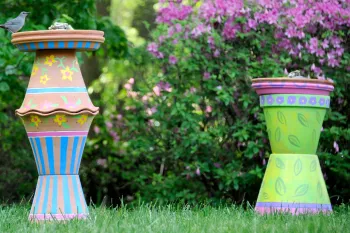
Meredith Lee/Humane World for Animals
Give backyard birds clean, fresh water with this DIY project made from repurposed flowerpots.
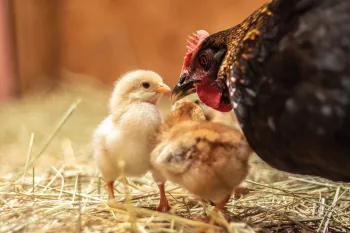
Gabriela Penela/We Animals Media
Billions of chickens suffer on factory farms each year. They deserve so much more.
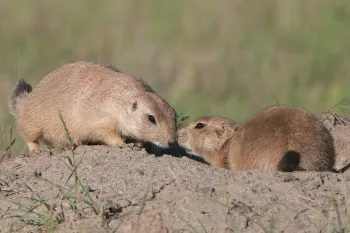
Kathy Milani/Humane World for Animals
Often seen as pests, prairie dogs prove to be crucial for grassland ecosystems and the survival of endangered species.