
Search
Found 704 results
Germany
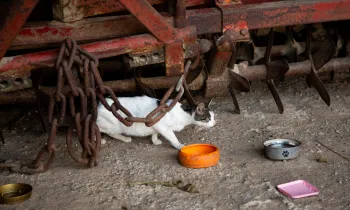
In Germany, top animal welfare issues include the import of animal trophies, street cat welfare and the use of animals for testing in laboratories. Humane World for Animals works in partnership with communities, bringing diverse expertise to the most complex issues and doing it all with a compassionate and welcoming approach.
Donations FAQ
Get clear answers about donations to Humane World for Animals, from billing descriptions and matching gifts to memorial and honor donations.
Membership FAQ
Get answers to membership and donation questions for Humane World for Animals, including receipts, mail preferences, and account changes.
Free-range, cage-free and cage eggs
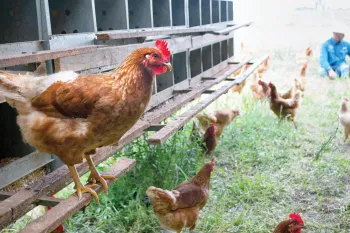
See the difference between cage-free egg production and battery-cage egg production.
Financials
Humane World for Animals was founded to complement the work of local organizations by tackling the root causes of cruelty and suffering. We are dedicated to the principles of rescue, reform and results to bring about a truly humane world.
How we help animal shelters and rescues
Our work complements and supports that of local groups. We aim to help animals everywhere, and local shelters and rescues are key partners in many of our efforts.
How we work with farmers and producers
Small-scale farmers and producers are among our biggest allies in driving for better animal welfare standards. Together, we work for healthier, kinder food systems for animals and people.
How we maximize the impact of your donations to help animals
As a global organization, we manage your donations wisely to consistently and reliably fund our lifesaving work—and to maximize our impact around the world.
Mail order FAQ
Find answers to mail‑order donation questions for Humane World for Animals, including T‑shirt offers, gift fulfillment, sizing, and delivery timing.
Increasing access to care
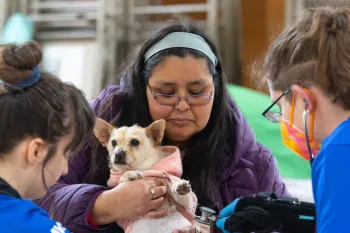
We’re working to increase equity in access to care through policy making, training for veterinary and animal welfare professionals, and direct care programs that provide veterinary care, pet supplies, other animal care services and information at no cost to pet owners.
How we attract and retain the best people to lead our work
We value our incredible people and we’re proud to pay our team fair, competitive wages.

Pet Equity / Keeping Pets for Life
Pets for Life is transforming the lives of dogs and cats by closing the service gap that exists for people and pets in underserved areas and bringing awareness in a new way to larger systemic inequities and injustices.

Thanks for subscribing
Thank you so much for subscribing to A Humane World. We appreciate your commitment to helping fight the big fights to end suffering for all animals! We will send you email updates with the latest posts as they get published.

Facts about bear hounding, baiting and springtime hunting
Bear hounding is the practice of using packs of radio-collared dogs to pursue a bear until the exhausted, frightened animal climbs a tree, where they are shot, or turn to fight the hounds. Dogs are often injured or even killed.

Shop our partners
Save animals when you support our corporate partners!
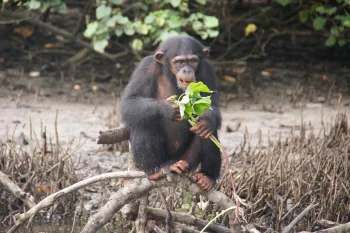
Second Chance Chimpanzee Refuge
Humane World for Animals Liberia's Second Chance Chimpanzee Refuge is providing lifetime care to dozens of chimpanzees who were used in invasive research for decades in the west African country of Liberia.
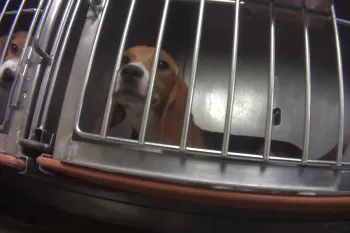
How dogs are used in testing
Discover how and why tens of thousands of dogs are used in U.S. laboratories each year. Learn about the testing procedures, dog sources, legal limitations, and how you can help replace animal experiments with humane alternatives.
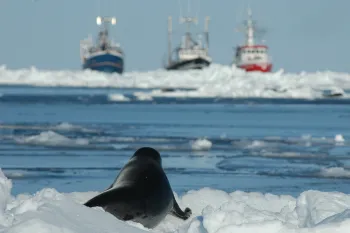
Canadian Seal Hunt
Canada’s annual commercial seal hunt is the largest slaughter of marine mammals on the planet and continues to endanger Canadian seal populations through cruel hunting practices.
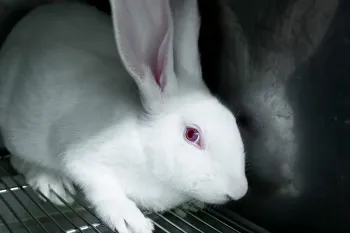
Cosmetics animal testing FAQ
Get the facts about cosmetics testing on animals and our fight to end this cruel and unnecessary practice worldwide.
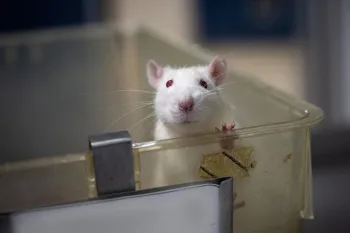
Alternatives to animal experiments
Millions of dogs, monkeys, mice and other animals currently suffer in U.S. laboratories. But non-animal alternatives will one day completely replace experiments on animals. This will be a game-changer not just for animals, but for human health.