BANGKOK, Thailand—One of the leading private hospitals in Thailand, Phyathai Phaholyothin Hospital, has chosen Valentine’s Day to announce its transition to sourcing eggs from cage-free hens for its food and nutrition services by 2026. This commitment was developed in collaboration with Humane World for Animals Thailand (formerly called Humane Society International).
Paniphan Tantayaporn, the hospital’s director of operations and business administration, says: “By transitioning our procurement to eggs sourced exclusively from cage-free systems, the hospital is championing better treatment for farm animals and demonstrating that large institutions—including hospitals—can meaningfully advance animal welfare. We recognize that human health, animal wellbeing, and environmental sustainability are deeply interconnected. Announcing this commitment on Valentine’s Day shows our belief that love, compassion, and care should extend not only to our patients, but to all living beings. True healthcare excellence reaches beyond clinical care to include responsible sourcing practices that benefit animals.”
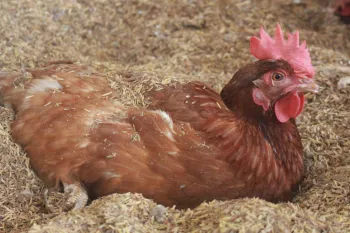
In Thailand, most hens in the egg industry are kept in small and barren battery cages, forced to live their lives in a space about the size of an A4 sheet of paper. Cage‑free systems, by contrast, allow hens more freedom of movement and the ability to express natural behaviors such as nesting, perching, walking, and wing‑flapping.
“By ending the use of eggs from caged hens, the hospital is taking a meaningful step toward higher welfare sourcing, consistent with its Environmental, Social, and Governance (ESG) commitments, demonstrating ethical supply chain management and responsible procurement.. By embedding such commitments into its daily operations, Phyathai Phaholyothin Hospital is showing principled leadership in the sector, and we expect to see more institutions follow their lead”, says Lalada Tangjerdjaras, Thailand program manager, farm animal welfare and protection, at Humane World for Animals Thailand.
Humane World for Animals works globally to persuade corporations, financial institutions, food service companies, governments and farmers to eliminate the worst practices of industrial animal agriculture that subject the greatest number of animals to the longest duration of suffering, including intensive confinement. While our work is global, we have farmed animal welfare teams in Australia, Brazil, Canada, Chile, the European Union, India, Malaysia, Mexico, South Africa, Thailand, the United Kingdom, the United States and Viet Nam. We also promote a shift toward a more plant-forward, climate-friendly global food system by providing culinary resources and training to institutions serving millions of meals daily and advocating for policy change at national and international levels.
#