BANGKOK—Denla British School (DBS), a leading international school in Thailand, has announced its commitment to only use eggs from cage-free hens across its campus by 2026. This decision by the school, which serves about 1000 students, has resulted from collaboration with Humane World for Animals (formerly called Humane Society International), a global animal protection organization working to end animal cruelty.
This decision reflects DBS’s wider commitment to sustainability and responsible practices as well as its support for global efforts like the United Nations Sustainable Development Goals, including those focused on using resources wisely and protecting life on land. DBS incorporates Thai cultural values such as gratitude and humility and integrates sustainability into both its teaching and school operations.
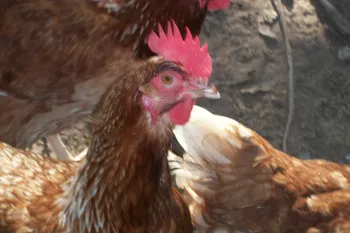
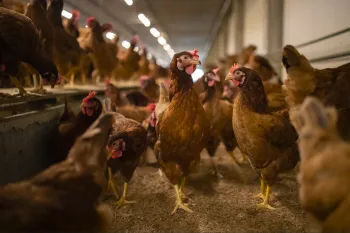
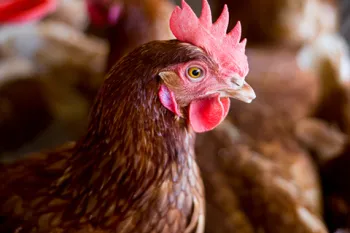
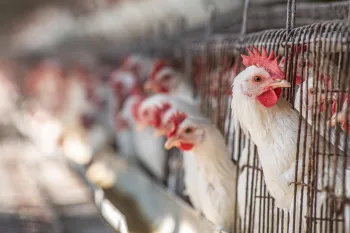
Cage systems severely restrict hens, confining them to spaces no larger than that of an A4-sized sheet of paper. In these cramped and barren conditions, hens cannot walk, fully stretch their wings or perform the most natural behaviors. In Thailand, most hens are still confined to battery cages. By contrast, cage-free production systems typically offer hens higher levels of welfare, allowing hens to express natural behaviors essential to their well-being, such as walking, running, nesting, perching, and fully spreading their wings.
Jonny Liddell, headmaster at DBS, says: "We are very excited to move forward with only choosing eggs from cage-free hens by 2026. This decision reflects the values of the DBS community. With well-being and sustainability featured our five pillars, we are pleased to make animal welfare a key area where we demonstrate these values.”
DBS joins Zen Corporation Group, Foodhouse Catering Services, ONYX Hospitality, and dozens of other Thai and global companies and institutions that have committed to implement a cage-free supply chain. Humane World for Animals approached DBS about transitioning its egg sourcing to cage-free as part of the organization’s local and global program to improve animal welfare. In Thailand, Humane World for Animals facilitated connections to cage-free suppliers and to Foodhouse Catering Services, which had made a commitment earlier this year to be fully cage-free by 2028.
“Thai citizens care about animals, and companies and institutions throughout the country are pledging to go cage-free. DBS’s leadership sets a powerful example for other educational institutions in Thailand. The school’s decision means fewer hens suffer in cages and shows how schools can integrate animal welfare into everyday practices. We commend them for taking this meaningful step,” says Lalada Tangjerdjaras, Thailand program manager for farm animal welfare at Humane World for Animals.
“Hospitals, restaurant chains, hospitality, and foodservice companies have already taken steps to improve hen welfare,” Tangjerdjaras adds, “and now, schools like DBS are joining this important movement, marking a powerful shift in how institutions support better treatment for animals.”
Humane World for Animals is a science-based and collaborative organization working to improve farm animal welfare across Asia and beyond. The organization partners with corporations, farmers, processors, scientists, and certification bodies to support cage-free transitions through farm visits, technical guidance, workshops, and consumer education that strengthen sustainable supply chains.