SAMARKAND, Uzbekistan—The 20th Conference of the Parties to the Convention on International Trade in Endangered Species that concluded today in Uzbekistan has been hailed by campaigners as encouragingly positive as 114 wild animal species received protections against unsustainable international trade.
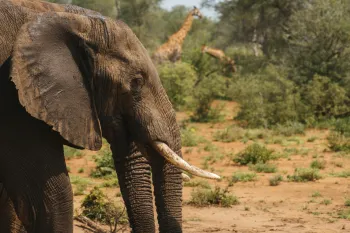
This Conference showed a clear global appetite for safeguarding wildlife who are being threatened by trade. Of the 114 species that received increased protections under the international trade agreement, 75 won protections for the first time due to the negative impact that trade has on their survival. Countries from around the world voted to protect species including sloths, elephants, giraffes, whale sharks, rhinos, hyaenas, finches, hornbills, vultures, iguanas, tarantulas and geckos, and more. In an acknowledgement of the dire need for both importing and exporting countries to work together to curb overexploitation, endemic species (native to specific geographies or ecosystems) featured heavily in debates and voting, with many Parties emphasising the urgency of protecting their native species with restricted ranges from increasing global demand. Humane World for Animals was also encouraged by the Parties’ ultimate opposition to disastrous proposals to remove protections for southern giraffes, to reduce protections for white rhino and critically endangered black rhino, and to reopen commercial trade in elephant ivory.
However, not all outcomes were good. The bontebok, saiga, Guadalupe fur seal and African elephant all took hits at the Conference with either reduced or eliminated trade protections. These species are now at increased risk of overexploitation through trade without the much-needed oversight and accountability that CITES is supposed to provide. Humane World for Animals will continue working with Parties to reinforce the ban on commercial trade in ivory and rhino horn, reduce global demand for wild animal parts and products, and eliminate trade avenues that wildlife traffickers are known to exploit.
Grettel Delgadillo, director of program and policy at Humane World for Animals Costa Rica, said: “Every single day, exploitative actions by people bring more of our planet’s precious wild species alarmingly close to vulnerability, endangerment or even extinction. So, it has been an overall positive CITES meeting here in Uzbekistan with 114 wild animal species now benefitting from greater protections against the dangerously harmful impacts of unsustainable trade. There are new or increased protections for species such as two-toed sloths, whale and gulper sharks, manta and devil rays, tarantulas, African white-backed vultures, Galápagos land and marine iguanas and two species of Australian geckos. At the same time, attempts by some to erode vital protections for species such as giraffes, peregrine falcons, and white and black rhinos whose populations are being decimated by traffickers and trophy hunters alike, were thankfully thwarted. There has been a really positive mood at this conference and a seeming collective recognition by nations that our planet’s wildlife face ever increasing threats in all corners of the globe, and that reckless trade in animals and their body parts needs urgent and firm action.”
ENDS