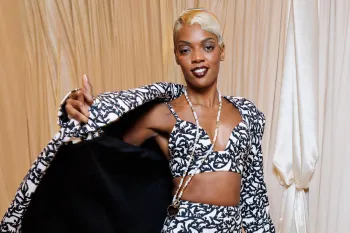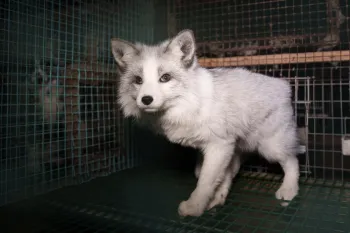
In a massive success in the global movement to end the fur trade, the Council of Fashion Designers of America just announced that it will no longer promote fur at any Official New York Fashion Week Schedule events nor on its social media channels and website. The policy will start with New York Fashion Week in September 2026.
Fashion created from animal suffering has no place in the humane world we are trying to build. And that’s why I’m thrilled that positive dialogue between Humane World for Animals and the Council of Fashion Designers of America—owner and organizer of the Fashion Calendar for New York Fashion Week—made today’s win for animals possible: New York Fashion Week is going fur-free.
New York Fashion Week is the latest beacon within the international fashion industry to make such a compassionate fashion statement. Major brands, influencers and media companies are turning their back on animal cruelty. Just last month, Condé Nast, parent company of Vogue and Glamour, made its fur-free policy public.
How the tide has turned on fur is truly astonishing. Where once it was simply the norm to see people stepping out in fur coats as a status symbol, now it’s a symbol of indifference to not only cruelty but also the environment and public health.
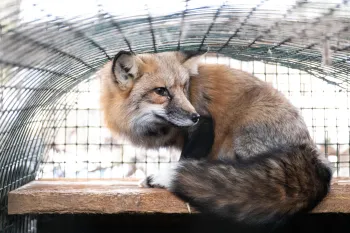
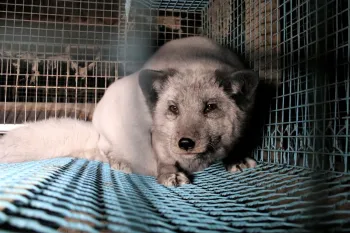
Thanks to tireless campaigning by animal welfare advocates, it’s now common knowledge that there is no way to confine and kill wild animals for their fur and expect anything besides extreme cruelty. Fur factory farms—where mink, foxes, raccoon dogs and other animals are born just to suffer in tiny cages before they are killed by poison gas or electrocution—are the sites of outbreaks of COVID-19 and highly pathogenic avian influenza. Our investigations have exposed even so-called “high welfare” fur farms are nothing less than hell on earth.
To add insult to injury, the environmental damage caused by raising animals for their fur at these hellish sites significantly exceeds the environmental impacts of other materials used in fashion, including cotton and even polyester and acrylic used to make faux fur.
Many localities—from cities to countries—are restricting the production, import or sale of fur because of the cruelty, environmental damage and risk to public health that are inherent to the fur trade.
While the decline of fur has been rapid, that it still exists in fashion at all means there’s more work to be done. An estimated 20 million animals are being killed every year solely for their fur.
Since California passed a fur sales ban in 2019, New York has become the largest fur-selling state in the country. This adds another level of significance to New York Fashion Week going fur-free. Assemblymember Linda Rosenthal is now seeking to follow California’s lead with a bill to prohibit the sale of new fur products in New York. A recently published study by leading social science experts shows overwhelming support by New York residents for a fur sales ban.
It may seem strange to say it, but we at Humane World for Animals share something with trailblazing fashion designers: We have a vision. We imagine a world in which animal cruelty has no place. And what is so powerful about our movement for animals is that everyone can share that vision.
You can be part of this humane-forward fashion movement by urging companies to go fur-free.
Kitty Block is president and CEO of Humane World for Animals. Follow Kitty Block.