
At Humane World for Animals, we believe that knowledge is the key to better lives for pets, wildlife and the people who care for them. Our expert-curated Animal Care Resources library provides trusted, science-backed guidance on pet adoption, health, behavior, and humane solutions for coexisting with wildlife.
We've compiled these resources to help you make informed, compassionate decisions—whether you’re welcoming a new pet, navigating behavior challenges or seeking humane ways to manage wildlife conflicts.
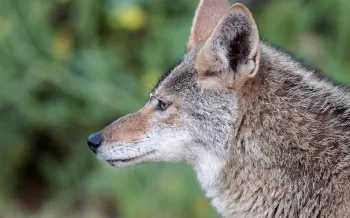
Contents A comprehensive plan Why is there a coyote in my yard? Do coyotes eat cats, dogs or other pets? What should I do if...
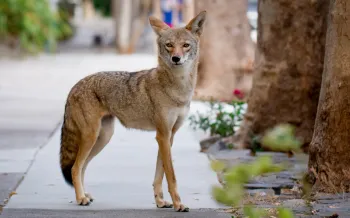
Many people assume that coyotes don't live in suburban or urban neighborhoods because they don't see them. But that...
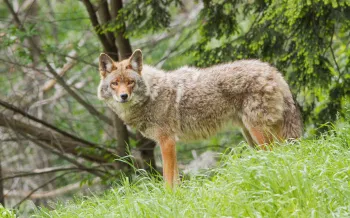
Coyotes generally avoid people. But if you encounter coyotes who have adapted to urban or suburban environments, hazing techniques can teach them to keep away.
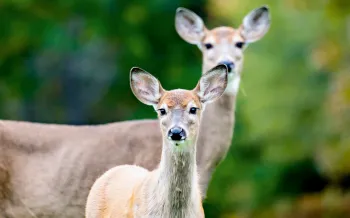
Conflicts with deer are best solved by addressing their root causes. Here are steps that can be taken to humanely and effectively control deer populations where necessary.
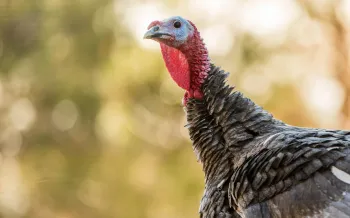
Too many turkeys in your yard or garden? Find easy, effective and humane ways to move them along off your property.
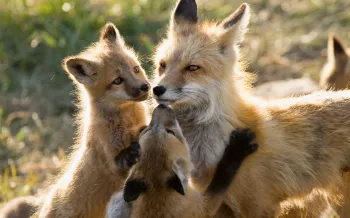
Foxes are usually no cause for alarm, but if you have backyard chickens, you'll need to protect them. Here's what to do if you see a fox in your neighborhood.
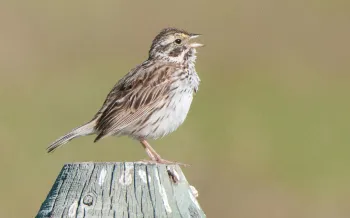
Of all sparrows, the non-native house sparrow is most often in conflict with humans because the birds are so good at adapting to our buildings and nesting in crevices.
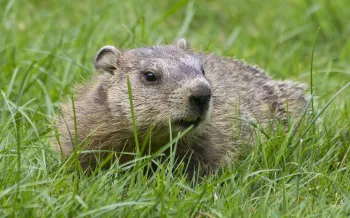
Groundhogs are shy, timid creatures that may dine on garden vegetables or flowers. Fencing and humane harassment are the best ways to solve conflicts with woodchucks.
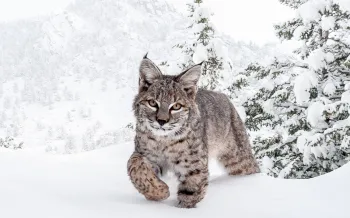
Conflicts with these elusive, wild felines are rare and preventable. Learn how to protect your pets and humanely keep them from coming into your yard.
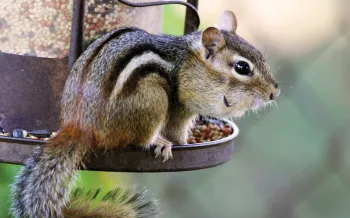
Chipmunks are cute, but occasionally they get into our house or bird feeders. We have tips if you need to help them escape or want to keep them out of your yard.
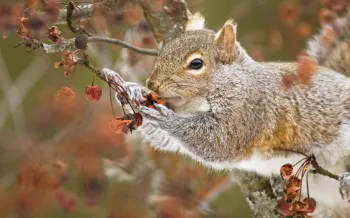
Squirrels are smart and athletic, which might make them an annoyance. Here’s how to handle squirrel conflicts with kindness when they get in your house.
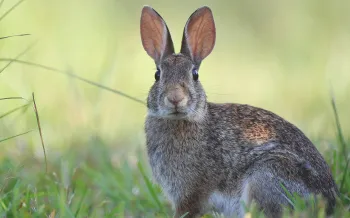
Rabbits may eat our plants or crops in the garden, yet they are critical members of our ecosystem. Make sure they are the culprit and learn what you can do without hurting them.
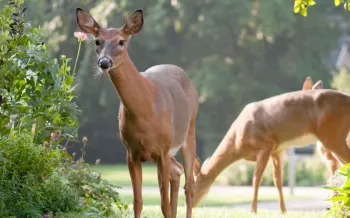
Some animals are essential for any garden to help pollinate plants and aerate the soil, but here is how you can prevent others from nibbling on your crops.
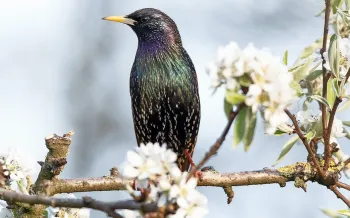
Starlings are cavity-nesting birds and will use attics, vents, and ducts in homes to build nests for their eggs and to raise their young.
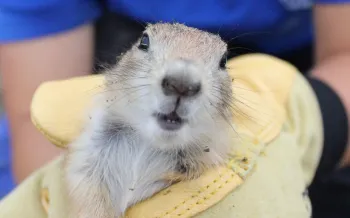
Prairie dogs are one of the most controversial and widely misunderstood wildlife species in North America. Since early...
Keep me up to date!
I want to know the latest news and the quick, simple actions I can take to help animals each week.
Anna/Adobe Stock photo