
At Humane World for Animals, we believe that knowledge is the key to better lives for pets, wildlife and the people who care for them. Our expert-curated Animal Care Resources library provides trusted, science-backed guidance on pet adoption, health, behavior, and humane solutions for coexisting with wildlife.
We've compiled these resources to help you make informed, compassionate decisions—whether you’re welcoming a new pet, navigating behavior challenges or seeking humane ways to manage wildlife conflicts.

Every purchase has power. Many products and the ingredients they are made from, such as makeup and household cleaners, are...

Together, we can support the decline of greyhound racing and transition these beautiful dogs from cruel conditions at racetracks into loving homes.
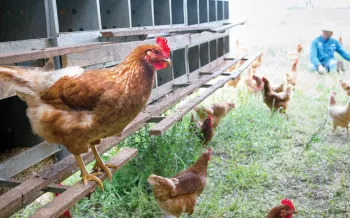
Wily, hilarious chickens are underrated stars of the animal kingdom with a higher IQ than you might expect.
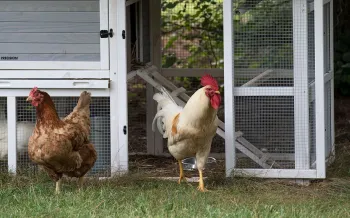
Chicken keeping can be a joyful experience in both rural areas and city backyards, but you'll need to meet their unique care needs to ensure you are a good owner to these pets.

Thinking about adopting a bunny? Learn more to make an informed decision about the commitment they require.

Contents A comprehensive plan Why is there a coyote in my yard? Do coyotes eat cats, dogs or other pets? What should I do if...

Help paying vet bills: Payment plans, resources and more If you cannot pay a veterinary bill upfront, you are not alone. Many...

Rats and mice live alongside us, thrive because of us, and survive in spite of our attempts to eradicate them. While they...

Want to help animals in shelters? Here are a few ways you can help animal shelters and rescues that do so much for animals, people and your community

This guide covers the fundamentals of proper horse care, including nutrition, shelter, veterinary care, hoof care, exercise, and overall welfare—based on widely accepted animal welfare standards.

Pets get into everything and, like babies, tend to explore the world with their mouths. Make sure they stay safe by checking...

Many common household items you use every day can pose serious health risks to pets — often without you realizing it. From...
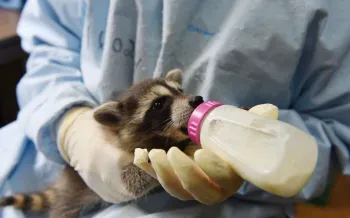
Find a local wildlife rehabber to help orphaned, sick or injured animals using this directory from state departments.

Here are 13 ways you can turn your backyard into a habitat that supports wildlife.

Do you have a car that you’d just like to go away without a hassle? Consider donating that vehicle to charity.
Get the stories that matter most
A Humane World is the official blog of Humane World for Animals—a first-hand account of our ongoing efforts to protect animals, as told by our president and CEO, Kitty Block.
Meredith Lee/Humane World for Animals