
Search
Found 157 results for Issues
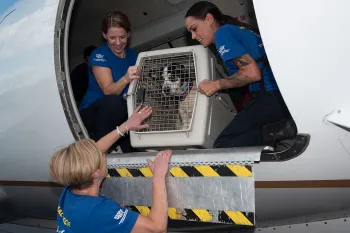
Shelter and Rescue Partners
Helping pets and people through training, mentorship and animal placement
The Food Industry Scorecard
A year-long audit of roughly 100 major food companies designed to gauge their progress.
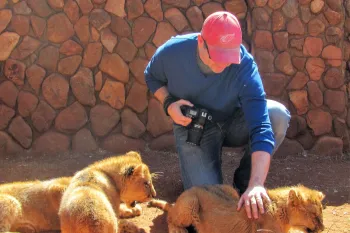
Wildlife Trade and Exotic Pets: How Your Travel Choices Impact Animals
Learn how souvenirs, exotic pets, and wildlife products fuel the global wildlife trade. Discover cruelty-free travel tips to protect endangered species and avoid supporting animal exploitation.
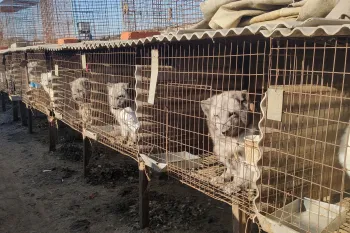
Investigations FAQ
Animal exploitation exists across the food, fashion, entertainment, commercial trade, pet and science industries, the truth of which is often disguised and/or presented as a necessary evil. Sometimes, the only way to obtain the truth is by going undercover. That’s where our Investigations Team comes in.

TAFA exhibit and sponsorship opportunities
The Humane Society of the United States is excited to offer an opportunity to be part of Taking Action for Animals (TAFA), the leading national conference in the animal advocacy movement.
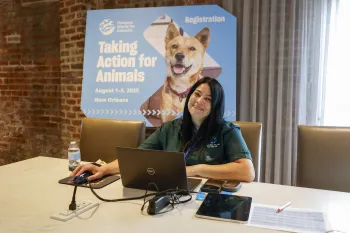
TAFA frequently asked questions
Find answers to all your questions about Taking Action for Animals.

TAFA hotel and travel information
Details about the official hotel, special room rates, booking instructions and transportation options.

From pain to purpose: Why my research dogs show we must end Category E research
My beagles reveal the lifelong trauma caused by animal testing. This is why we must end Category E experiments once and for all.
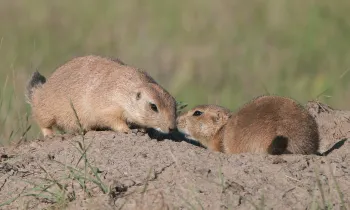
The surprising role prairie dogs play in saving ecosystems
Prairie dogs are vital to North America’s grasslands—one of the most endangered ecosystems in the world—but they’re struggling to shed their bad reputation.
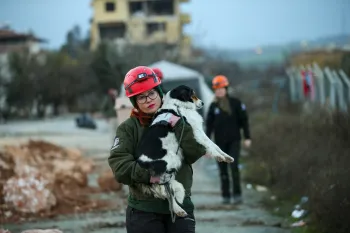
The role of animals in humanitarian crises
A discussion on the importance of the human-animal bond during humanitarian crises
Ending the use of gas chambers
Let's work together to pass legislation to bar this form of torture in animal shelters.

New Jersey: Support the Humane Pet Store Bill
Public records show that hundreds of weeks-old puppies are trucked to New Jersey pet stores from massive Midwest puppy mills each year. These puppy mills keep dogs in conditions that any New Jerseyan would be horrified by: some have been cited for emaciated dogs, dead puppies and dogs with open wounds, fleas and lice, injuries and signs of heat distress.
Stopping the sale of dogs, cats and rabbits in pet shops will also shield consumers from misleading sales tactics, sick and genetically disordered puppy sales, disease outbreaks and predatory puppy loans.
Stopping the sale of dogs, cats and rabbits in pet shops will also shield consumers from misleading sales tactics, sick and genetically disordered puppy sales, disease outbreaks and predatory puppy loans.
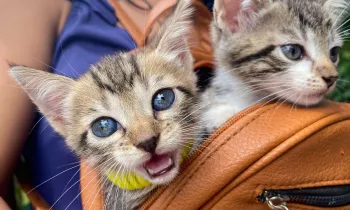
A world of compassion: How Humane World brings veterinary care to animals in need around the globe
Through mobile clinics, partnerships and donations, thousands of dogs and cats receive lifesaving veterinary services from Humane World each year in Romania, Mexico, Costa Rica and the United States.
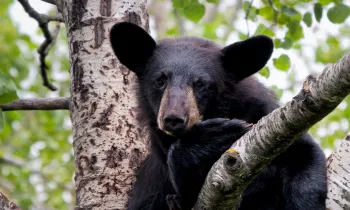
Florida is about to start its first black bear hunting season in 10 years
As Florida reopens black bear hunting, experts warn about conservation risks and ethical issues around baiting and using dogs.
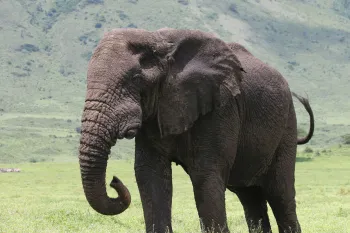
Wildlife trade
Wild animals are targets for poaching, captive hunting, the fur trade, the exotic pet trade and more. We're stopping the Wildlife Trade to keep animals safe in their natural habitat.
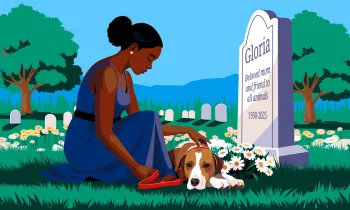
Recognizing pet grief: Signs and strategies for healing
Pets grieve too. Here's how to recognize the signs of animal grief and offer comfort and support your pet during loss.
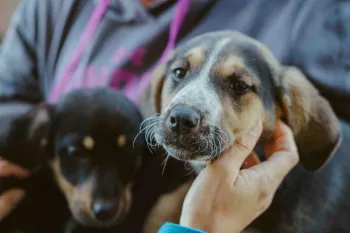
Companion animal welfare
Guides and research on companion animal welfare—humane care, sheltering, adoption, behavior, and policy to protect pets and strengthen communities.
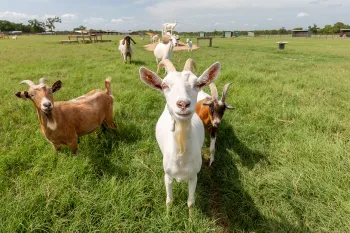
Sanctuaries
Humane World for Animals provides care for thousands of animals. This vital work responds to today’s cruelties, while our education, legislative and policy work prevent tomorrow’s.
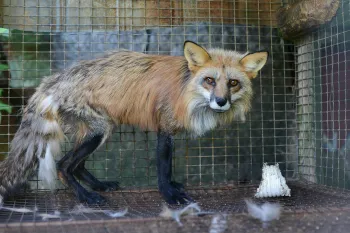
Facts about the fur trade
Learn how millions of wild animals suffer each year on fur farms and from trapping, and how bans and consumer shifts are driving fur’s rapid global decline.