
At Humane World for Animals, we believe that knowledge is the key to better lives for pets, wildlife and the people who care for them. Our expert-curated Animal Care Resources library provides trusted, science-backed guidance on pet adoption, health, behavior, and humane solutions for coexisting with wildlife.
We've compiled these resources to help you make informed, compassionate decisions—whether you’re welcoming a new pet, navigating behavior challenges or seeking humane ways to manage wildlife conflicts.
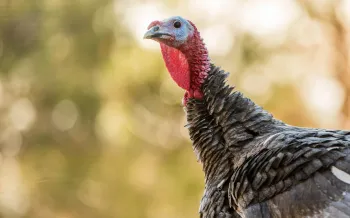
Too many turkeys in your yard or garden? Find easy, effective and humane ways to move them along off your property.

Groundhogs are shy, timid creatures that may dine on garden vegetables or flowers. Fencing and humane harassment are the best ways to solve conflicts with woodchucks.

Chipmunks are cute, but occasionally they get into our house or bird feeders. We have tips if you need to help them escape or want to keep them out of your yard.

Don’t let heartworm stand between you and your best friend. Stop transmission when possible, recognize the symptoms, and schedule treatment with a vet.

Tips for helping blind cats and dogs flourish to live happy lives, whether your pet has been losing their sight or you just adopted one.

From leading the pack to top dog, plenty of simplistic metaphors come from canines. But relationships that dogs have with each other can be complex from the first meeting.

Your support helps ensure that everyone has increasing access to pet care. Here are just a few of the people and pets we’ve...

Practical solutions can keep free-roaming cats in the community out of your yard and out of sight from indoor pets to avoid unwanted noise.

Simple ways swimming pool owners can save the lives of wildlife in their backyard.

You can keep your cat while keeping you and your baby safe! Follow our tips for avoiding exposure to toxoplasmosis from cat litter and reducing risk from other sources.

Learn why your dog is scared of thunder or lightning and how you can help make loud sounds and flashing lights less scary for your pets.

Every year, approximately 180,000 bulls are killed in bullfights around the world, with many more killed or injured in bull...

Be prepared in the event of an emergency to keep your animals safe before the next hurricane, tornado, or flood hits.

You can help wild animals survive extreme weather and disasters, especially wildfires, with just a little preparation before you evacuate.

Horses and other equines require extra consideration in disaster planning.
Keep me up to date!
I want to know the latest news and the quick, simple actions I can take to help animals each week.
Anna/Adobe Stock photo