
At Humane World for Animals, we believe that knowledge is the key to better lives for pets, wildlife and the people who care for them. Our expert-curated Animal Care Resources library provides trusted, science-backed guidance on pet adoption, health, behavior, and humane solutions for coexisting with wildlife.
We've compiled these resources to help you make informed, compassionate decisions—whether you’re welcoming a new pet, navigating behavior challenges or seeking humane ways to manage wildlife conflicts.
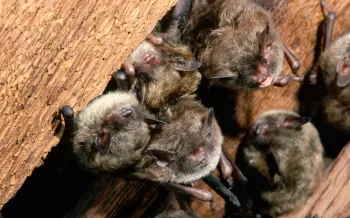
We should thank bats, not fear them. Whether you want to get bats out of your house, scare them away, protect their habitats, or have questions about bats and diseases, we can help.
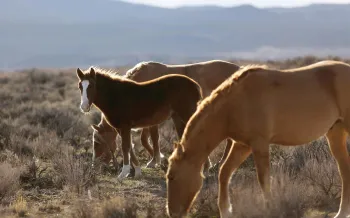
Humane World for Animals and Humane World Action Fund have campaigned for the safety and preservation of wild horses and burros. Here are some frequently asked questions about the use of PZP immunocontraceptive vaccines in wild horses and burros.
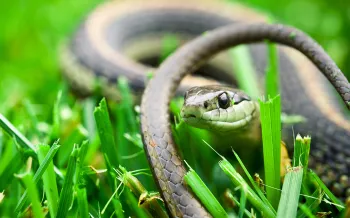
Most snakes are not a threat to either people or pets, so identify the troublemakers to learn what to do if you find any in your yard or home and need to humanely remove them.
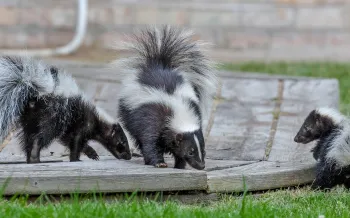
Learn how to live near and deal with this gentle species when they enter your yard or garage.
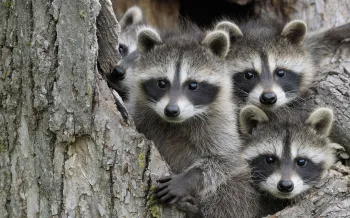
Wondering what to do about raccoons? Conflicts with these intelligent animals can be prevented and resolved humanely.
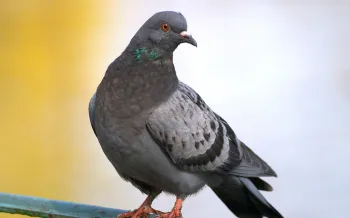
When pigeon flocks grow too large and their poop becomes too much of a nuisance, use these humane methods to control their numbers.
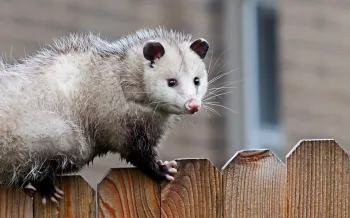
Opossums are gentle neighbors, rarely dangerous, and often not even responsible for messes they get blamed for. Here's what to do if you have one in a crawlspace.
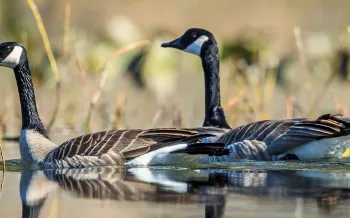
Killing geese is inhumane, ineffective and unnecessary. Learn better ways to keep flocks off your property or facility.
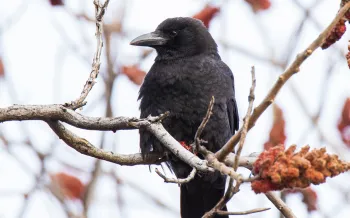
Crows can get in the trash and compost. These smart black birds are now common residents of cities and towns, but relocation is more effective and humane than poison.
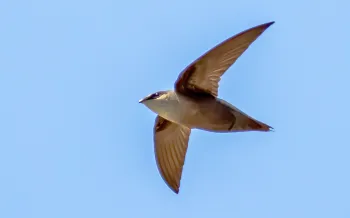
Chimney swifts are extraordinary insect-eating birds who spend most of their time in the air, coming down only to roost or feed their young—often in our chimneys or flues.

Beavers help steward wetlands and prevent serious flooding, but occasionally their actions can lead to nuisances like tree damage that can be dealt with humanely.
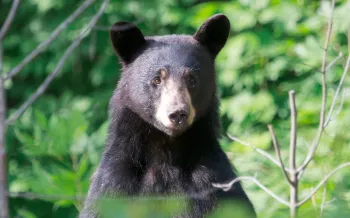
Bear troubles in your neighborhood? Bird feeders, unsecured pet food, garbage, compost, containers for recycling, and grills may be bringing them to your back door.
Keep me up to date!
I want to know the latest news and the quick, simple actions I can take to help animals each week.
Anna/Adobe Stock photo